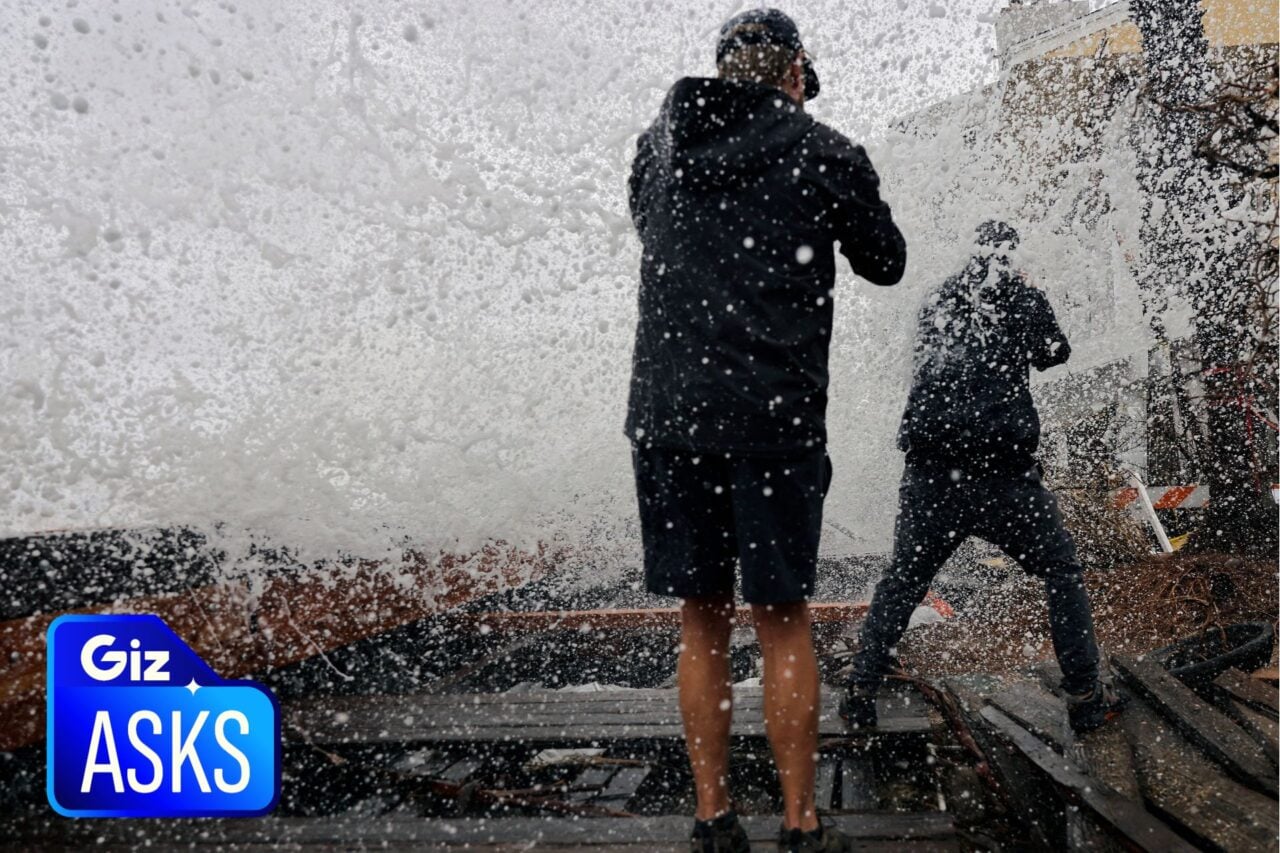
In the 1950s Pageant was a digest-sized general-interest magazine, given to pretty cover girls and sensational stories like “Sex: The American Way Is Best” and “9 Hours In Hell With A Dope Addict.” But with the help of a pair of geologists from Columbia University, in February 1955, Pageant looked at “Our World in 30,000 Years.” Some of the article sounds suspiciously familiar, especially if you’ve seen An Inconvenient Truth. First of all, rising seawater eventually swamps the east coast under 500 to 600 feet of water. And there’s more.
And where have we heard this before?
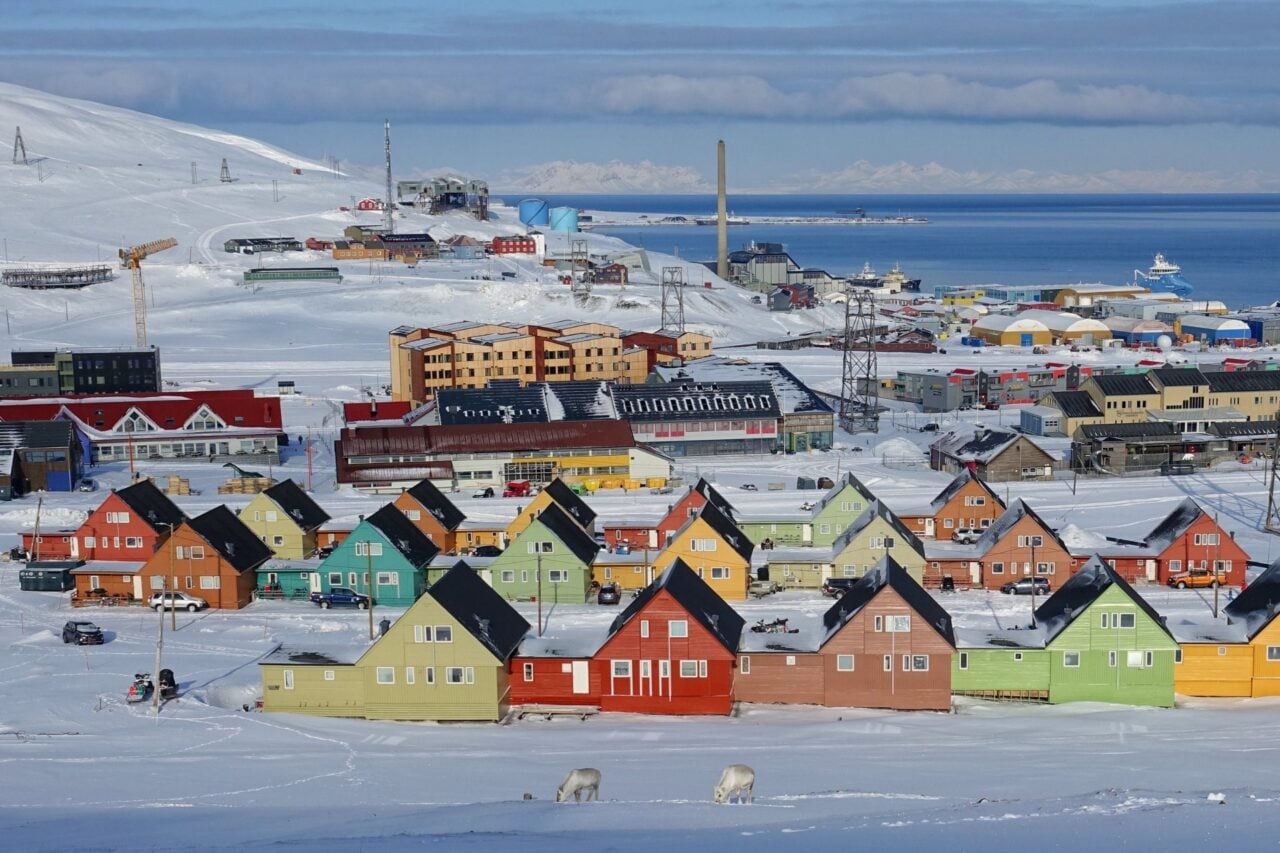
As for the climate of the future: science has done an about-face from its once-prevailing view that the earth was gradually cooling off and would wind up icy and barren … Now, evidence points unmistakably to a climate that’s getting warming all the time. Besides glacial melting all over the earth, actual temperature rises have been recorded over the past century in cities throughout the northern hemisphere, and various warm-weather fish have been noted in recent years migrating far north of their usual habitats.
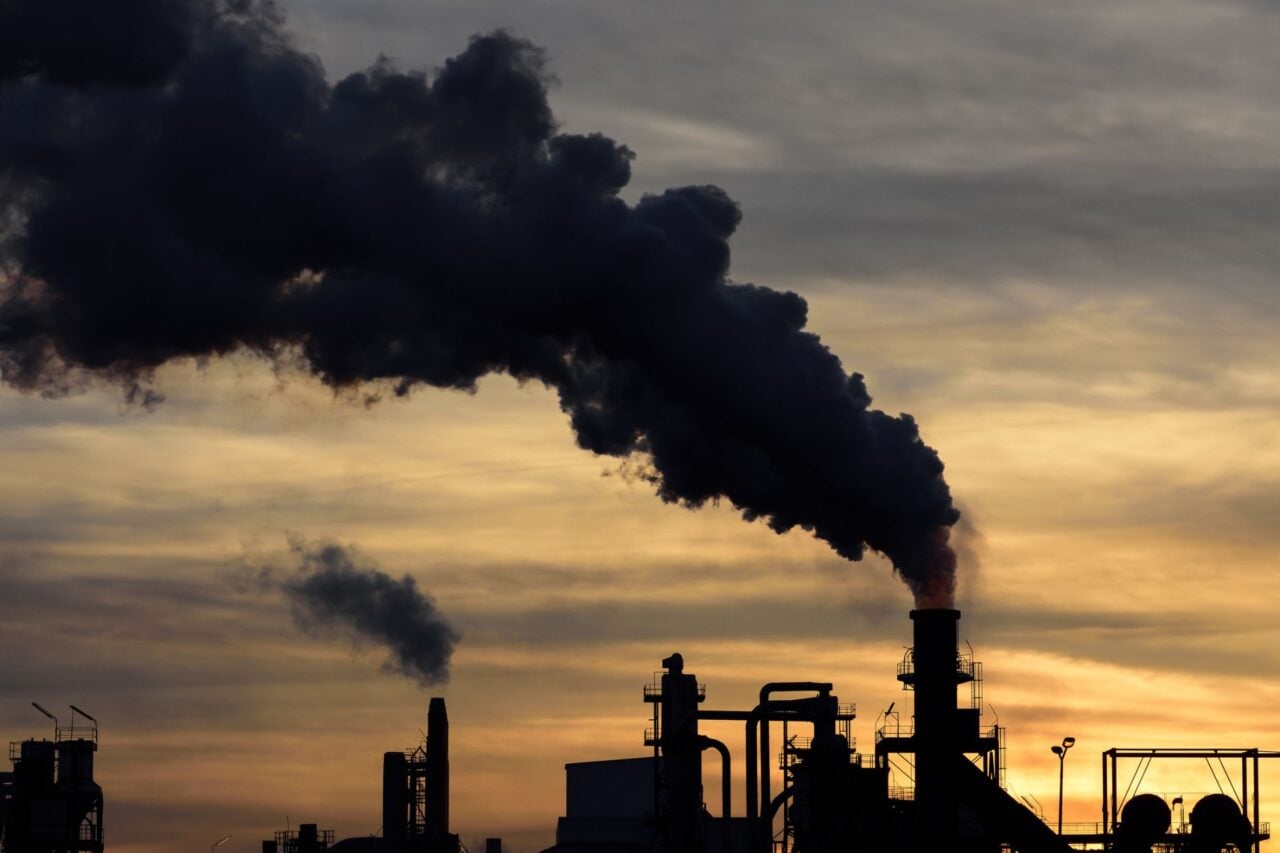
The newest theory of climatic change attributes it to man’s own doing. It’s because of the sizable increase in carbon dioxide found in the atmosphere these days, due to industrial activities and forest fires. Millions of tons of CO2 are being sent into the air constantly from these causes.
An increase of 50 per cent in the carbon dioxide concentration of the earth’s atmosphere could happen in the next century, which could easily happen at the present rate it’s being discharged, could raise the surface temperature of the globe about 2.2 degrees centigrade. Eventually this CO2 factor could make an extreme change in climate everywhere.
So a lot of what we consider “new” insights about how the environment will be trashed by civilization was already known fifty years ago. Of course, people probably ignored “Our World in 30,000 Years” for the article in the same magazine about “Wife Swapping” (“How a shocking new game is played coast to coast!”), but still.