Companies that make textiles, apparel, and furniture would benefit the most from solar energy, according to new research.
The global shift could mean a weather shake-up through the end of the year.
The fires may have helped cause the rare triple-year atmospheric shift, a study found.
Invasive plants in the U.S. can sometimes go from annoying to appetizing.
Our current models may have underestimated how fast our warming oceans are rising and how fast glaciers recede, a new study says.
Plugging these wells could cost up to $30 billion, according to a new study.
His intentions may be noble, but that's hardly good enough.
More electric vehicles could actually worsen air pollution in some of the poorest areas in the state, a study found.
The groups say the U.S. Fish and Wildlife Service has failed to protect West Indian manatees.
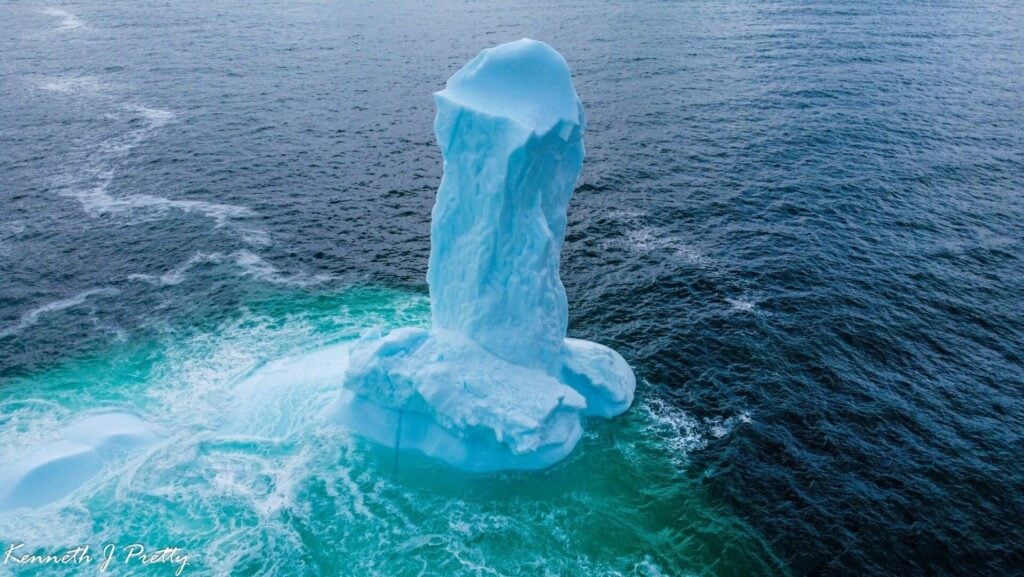
A phallic ice formation dubbed "Dickie Berg" has lost its tip. RIP big guy.
After three years of La Niña, changes are afoot. Here's what an El Niño would mean for weather across the U.S.
The country has entered yet another year of dry conditions, and communities are desperate for relief.
Severe drought conditions throughout the U.S. last year lowered the reservoir's water levels and revealed several sets of human remains.
According to entomologists, nymphs are hatching in late April and early May, and they need to be eradicated before they can reproduce.
Just last year, the river was seeing all-time low water levels, which disrupted cargo shipments and recreation.
Retardants help to stop the spread of wildfires, but the chemicals often end up in waterways.
Critical sea turtle breeding locations are at risk of flooding, and soon.
Field workers, many of whom are undocumented, are struggling financially since a series of atmospheric rivers brought extreme weather to California.
Two fungi commonly found in plants and soil made meals of some of the hardest-to-recycle plastics.
Researchers found coastal invertebrates, anemones, and even crabs living on plastic far out in open ocean.