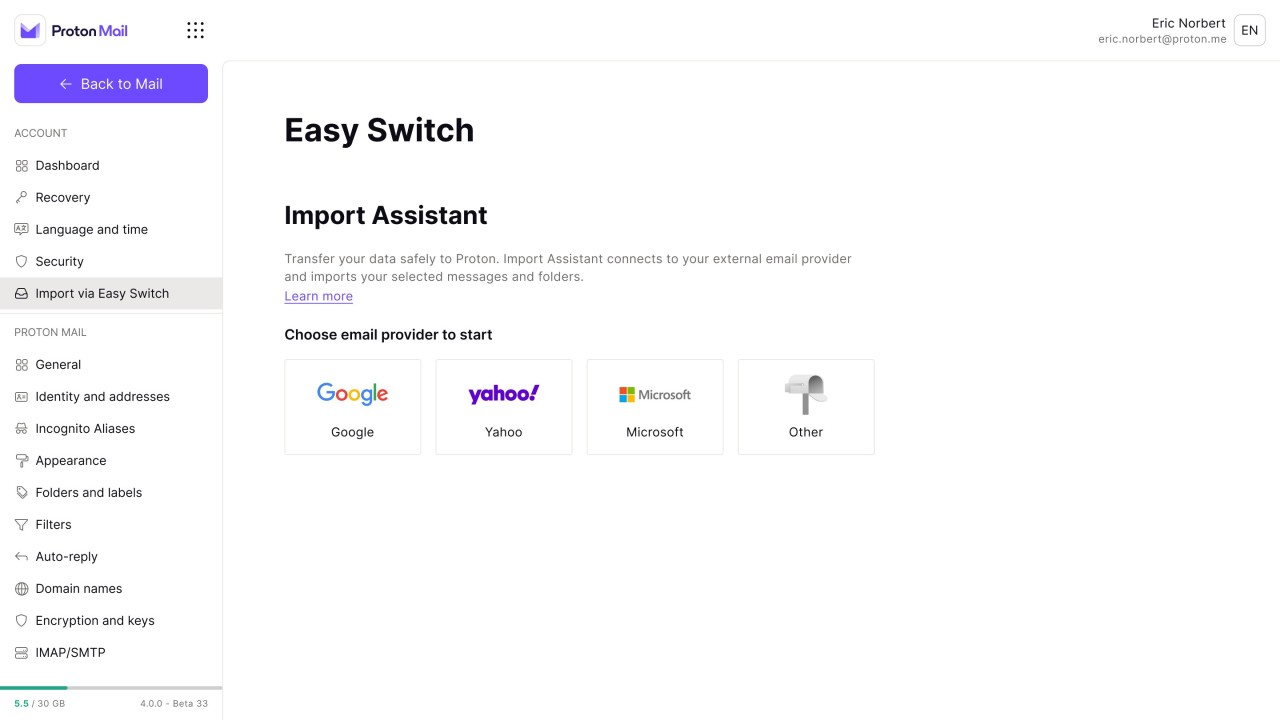
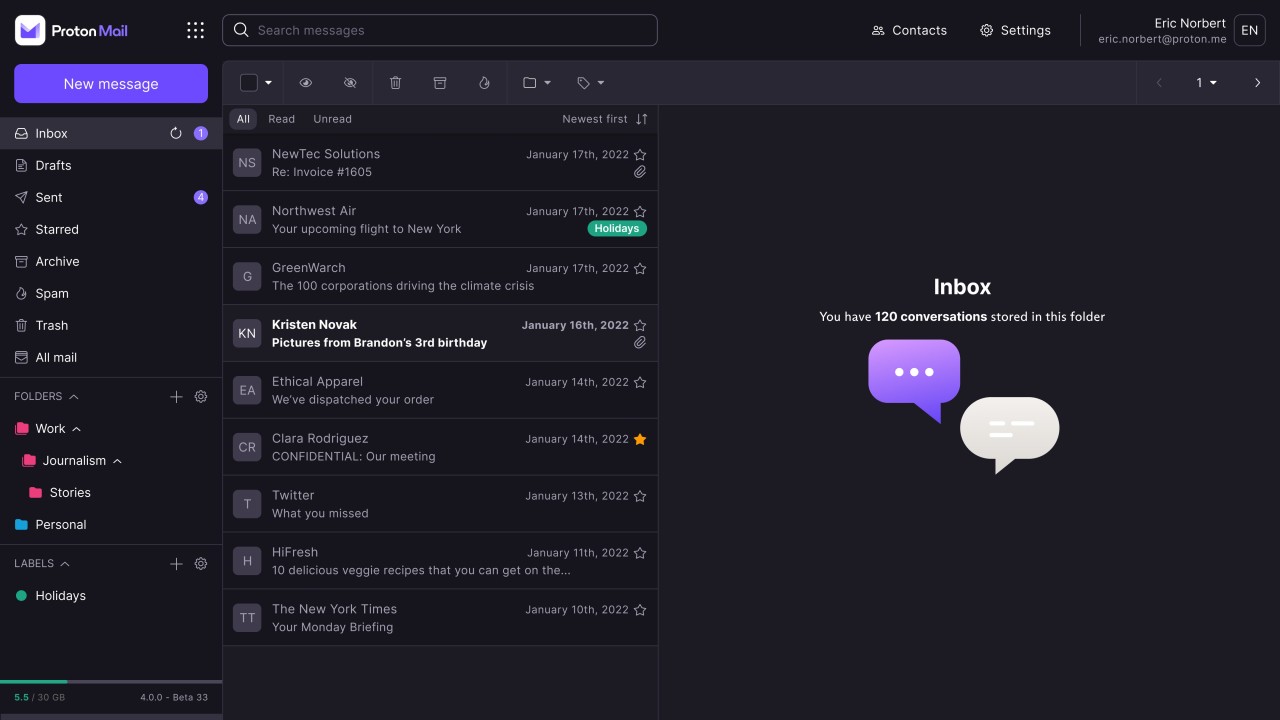
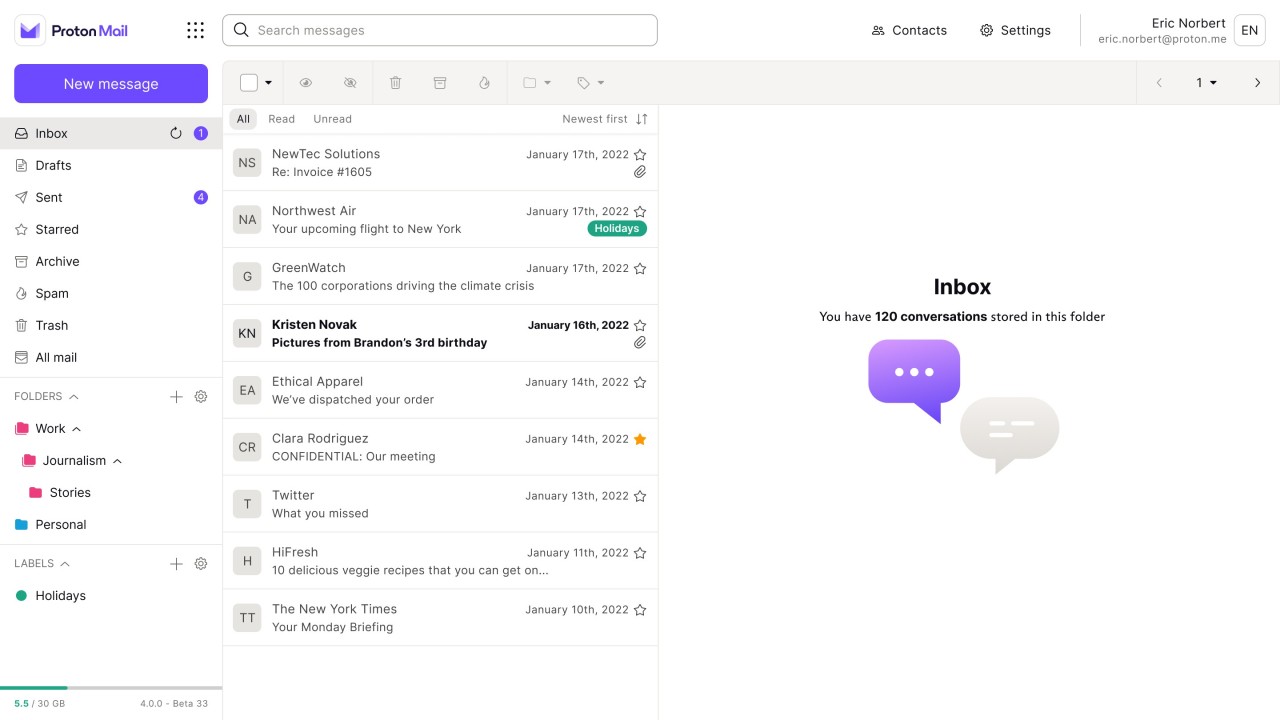
The developers of Proton Mail created a secure email platform to protect users from the beginning. The platform brings forth a complete new perspective on how users handle their email communication.
As scientists and engineers from CERN established Proton Mail, encryption serves as a foundation to protect messages in transit as well as storage on the server system. All communications at Proton Mail remain inaccessible to the company because end-to-end encryption protects every message.
Proton Mail stands as an email service that bases its operations on digital freedom principles, while traditional providers exploit user data for advertisement and tracking operations. The service requires no details about its users during signup. Phoning number connections are not necessary to join the service. Users get a protected environment to exchange messages without any monitoring taking place.
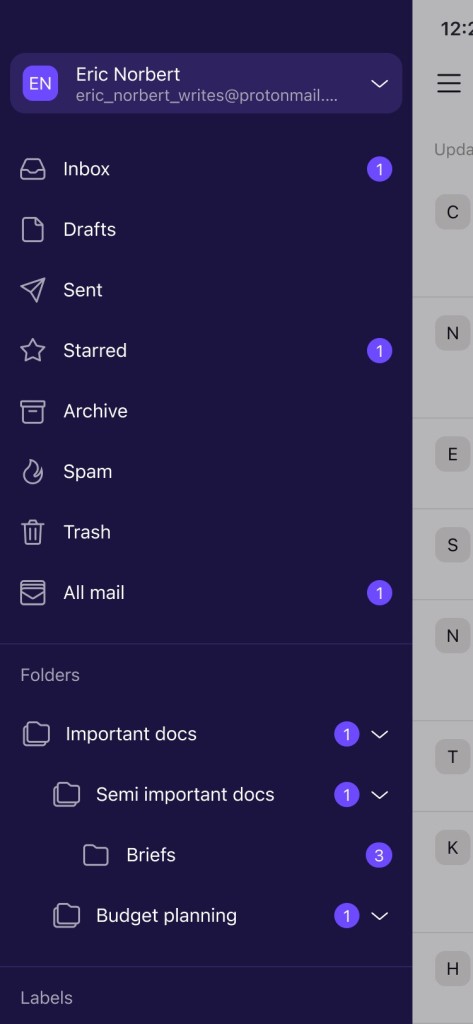
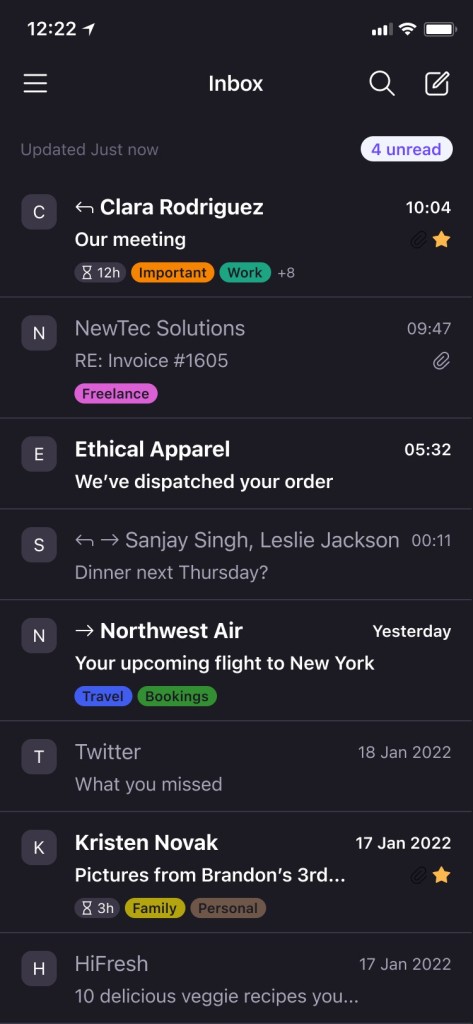
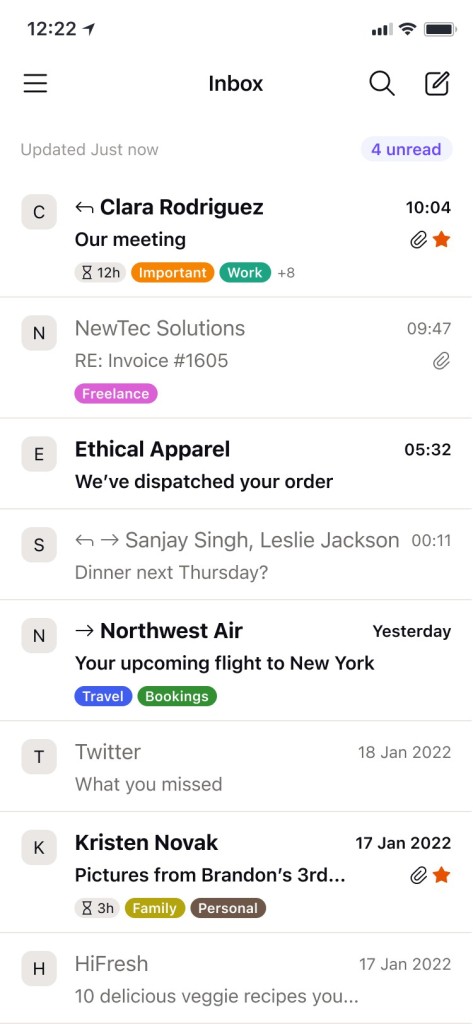
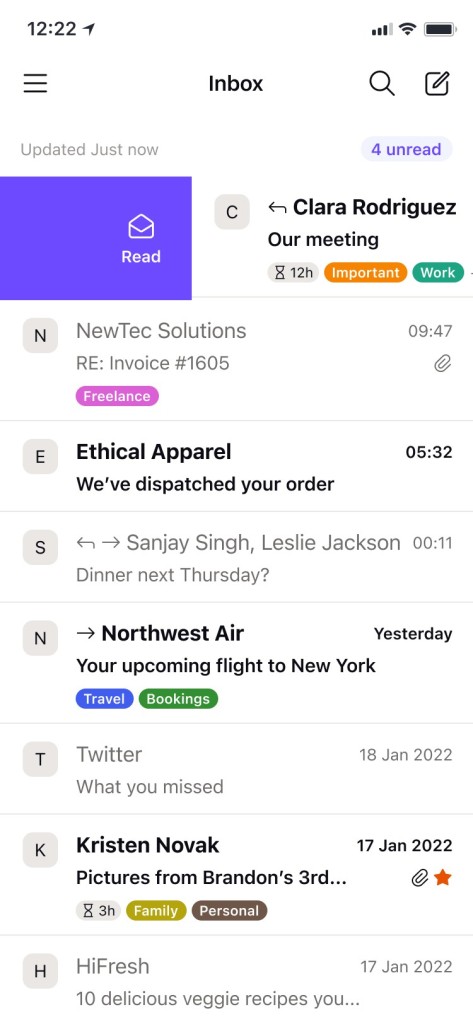
While encryption and security receive significant attention, the application presents a recognizable interface to users. All users who have experience with email will easily adapt to this system. The service offers a sophisticated design that presents itself as understated elegance compared to flashy and confusing arrangements. Proton Mail provides peaceful privacy safeguards as an email choice to anyone, from activists to journalists, through students and privacy-concerned individuals in our overly watching digital age.
Why Should I Download Proton Mail?
Various email service providers exist in the market. The majority of users prefer the email system they learned in their childhood or the one included with their smartphone and devices. The majority of these services maintain unknown extra fees after users sign up. Your information and focus, together with your visible presence, function as the exchange for a free email service provision. Every email is scanned. Every click logged. Every contact is stored. Users find their boundary at Proton Mail. Email management serves only as a gateway to take ownership of your personal communication activities.
Any action to obtain Proton Mail requires users to make a conscious choice. You are selecting a departure from standard online environments that monitor all your conduct. Proton Mail provides users a safe zone to communicate freely because this system belongs entirely to you, without any suspicious monitoring of your words. Such implementation of choice will matter less frequently in regular communications. The defense of sending sensitive or private information stands as one of the most important occasions where Proton Mail makes a substantial impact. Proton Mail maintains your messages exclusively between you and your message recipient. Not your provider. Not an algorithm. Just the two of you.
The user-friendly nature of the service serves as a useful feature. The service requires no knowledge of cryptography for users to begin using it. Enrollment happens automatically to start writing messages. Encryption occurs automatically while you continue using the service. Using this service is effortless because you only need to begin. When contacting Proton Mail users through email, the service enables encryption without any intervention from your side. The system allows you to apply password encryption to your messages while sending to recipients outside the Proton Mail network. The service gives you enhanced protection options that you can use whenever you need them and according to your preferences.
Both devices and platforms synchronize perfectly through this application. All devices which run phone or tablet or desktop systems maintain both real-time synchronization and data protection features. This application stays away from presenting features which you never requested. The program delivers an easy-to-use workspace for secure message delivery which does not offer any distractions.
The issue of trust comes into play as the deciding factor. The email service operates from Switzerland, which stands out for its strict privacy regulations. Government laws safeguard your data alongside technical protections that secure it. Such reassurance about data security is exceptionally difficult to locate in other systems.
The normal state of data breaches and targeted advertising combined with surveillance makes ProtonMail stand out as an essential tool for reclaiming privacy. The platform shows you how email used to operate during its early days when it provided three fundamental characteristics: privacy and personal touch along with user-friendly design. The service is definitely for you if this description fits your view of email services.
In addition to its mail service, Proton also offers its users access to other office tools like Proton Drive (cloud storage), Proton Calendar, Proton VPN and Proton Pass (to manage passwords securely).
Is Proton Mail Free?
The free Proton Mail version has basic security features and one email address, combined with restricted storage capacity. Personal users will find basic service enough but can upgrade to any other paid plan to access additional storage along with custom domains.
What Operating Systems Are Compatible with Proton Mail?
Users can access Proton Mail across all primary computing operating systems. Proton Mail provides service on Android and iOS through specific mobile applications as well as Windows, macOS, and Linux web browser access through any modern internet browser.
All devices operate using encrypted data storage. From mobile phones during commuting to work to desktops during office hours, users experience a uniform and uninterrupted electronic correspondence. The system presents itself as a contemporary inbox interface designed for mobile and desktop users.
What Are the Alternatives to Proton Mail?
Proton Mail stands among several other email providers that target advanced client requirements. Multiple email services exist with different aspects of email functionality as they either extend features or modify user interaction, or explore unique privacy features.
One popular alternative is Outlook. The online tool permits you to create a Microsoft email address (in outlook.com, for example), but with the Outlook App, you can manage any email address. The corporate-grade service provides users with scheduling tools, along with calendar integration and task lists, and many additional features. The application caters to users who require their inbox to serve as both a communication center and a productivity work area because it carries high complexity and numerous advanced features. The app does not put privacy first during its development process. When using Outlook with Microsoft services, you remain part of their extensive data network.
Of course, the other well-known alternative is Gmail. The service provided by Google allows you to create a free Gmail address. With it, you can manage your Android phone (backup and restore data), access Google Drive and its office online suite, store your pictures in Google Photos, collaborate with family and friends on Google Calendar, etc. Note that the Gmail App also permits you to manage email addresses from other providers.
If you are not searching for an alternate email provider but for an email client to manage your email addresses, here are two interesting options.
Customers have been using Thunderbird as a free, open-source desktop email client for numerous years. Proton Mail lacks an email hosting service, but users get enhanced security from encryption features in addition to extensions and full customization power. The application remains popular among users who seek total authority in configuring their email system. The main drawback of this program is its initially complex interface. Users need to go through a moderate process of getting comfortable with how it works. Learning its functionality turns it into a strong command for your control.
People seeking a collaborative email with intelligence should try Spark Mail for their needs. This program allows users to utilize shared inbox management while enabling comment threads and email delegate capabilities. On the other hand, Spark Mail functions differently from its Proton Mail counterpart because its main goal is group collaboration through workflow features. The platform provides useful collaboration tools for team email management to users active with group projects, but requires team members to use the platform. The service presents a contemporary interface that functions on various platforms, and users appreciate its tidy structure alongside its intelligent categorization capabilities.