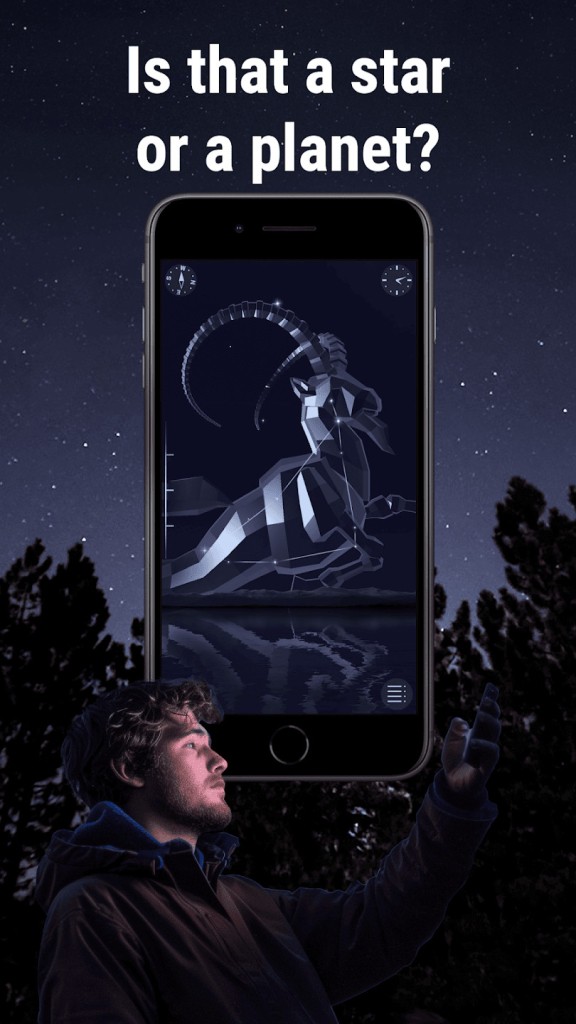
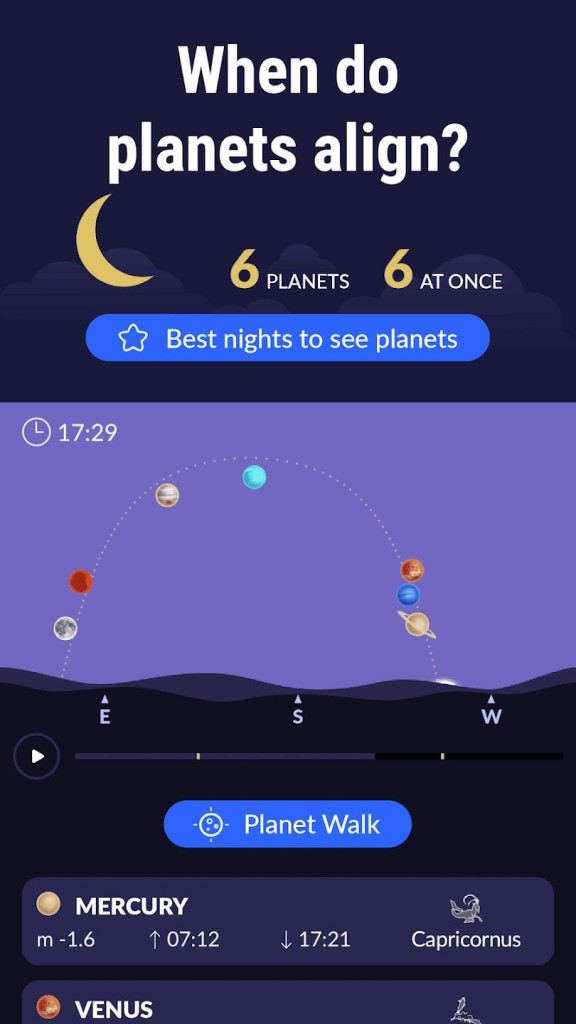
Star Walk 2 allows you to bring the night sky into your pocket. It makes your phone a live star, planet, and satellite map. Just raise your phone, and the app instantly tells you what you’re seeing: Mars, the ISS, or a constellation you’ve never noticed before.
It is a better version of the original Star Walk, with smoother and finer visuals. The interface feels simpler yet somehow richer at the same time. You can see the sky almost anywhere, rotate constellations in 3D, or watch them align themselves as you move backward or forward through time. The app provides the context, myths, and stories, presenting the historical view of constellations.
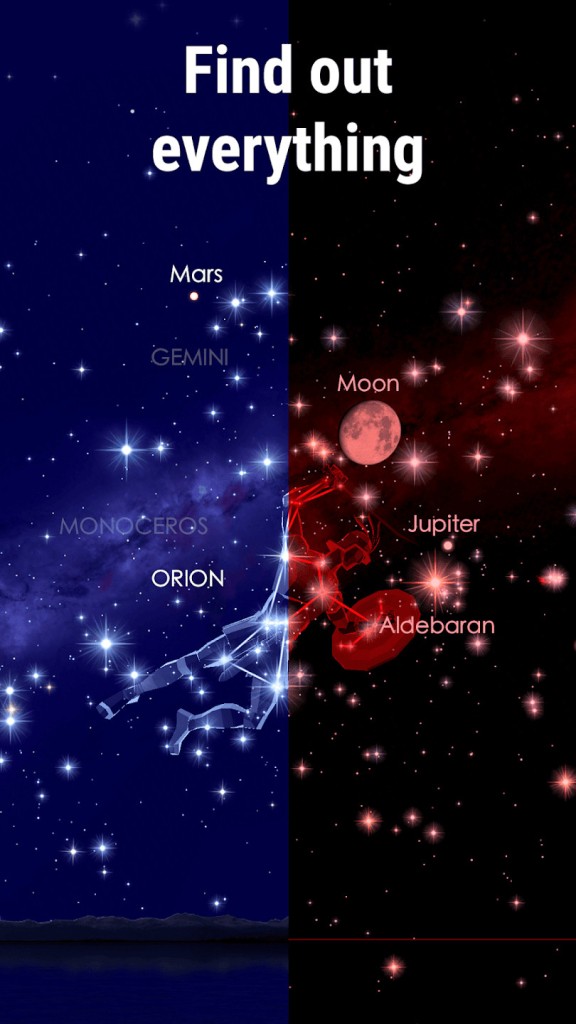
All this is happening in real time. The sky on your screen shifts as you move, following your direction perfectly. The app identifies the stars above you on the basis of your phone sensors and your location. You get almost the same level of accuracy as real astronomers, right from your porch or campsite, no jargon, no bulky tools.
Why Should I Download Star Walk 2?
Star Walk 2 is a universal product: people who hardly recognize Orion can use it, as well as those who can name constellations without having to consult any book. Whenever you look up and wonder, ‘What’s that bright light up there?’, the app gives you an answer in seconds. It is all convenient: there are no telescopes or scrolling charts, no guessing.
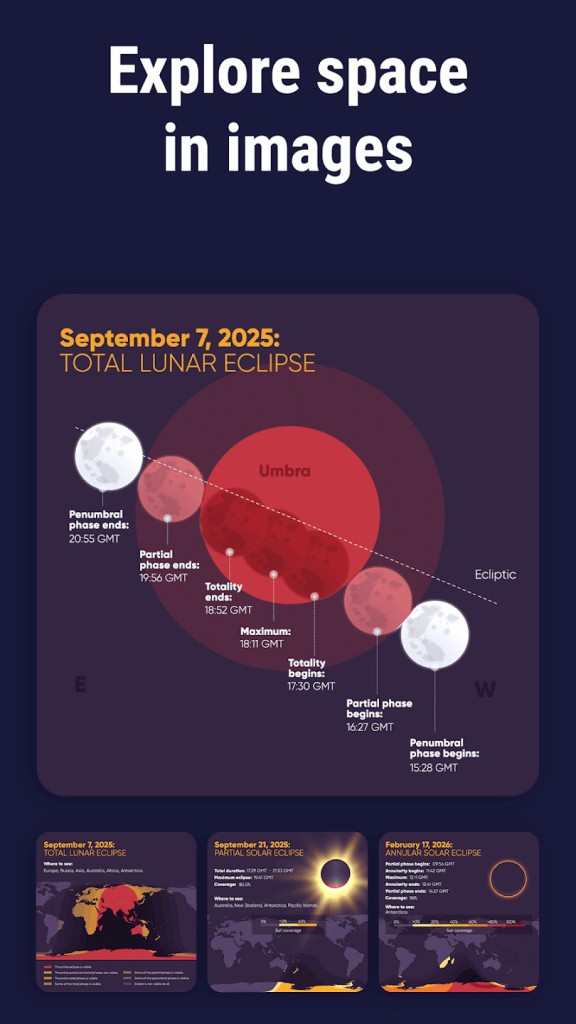
It works by pointing your phone, and the app recognizes whatever you are looking at. Glide between stars, dive into nebulae, check tonight’s sky, or track upcoming meteor showers and eclipses. A Time Machine allows you to slide the dates to view how the sky used to be or will be in years past/in years to come.
You can use a red night mode to preserve your vision of the night sky. You can also choose the X-ray, infrared, and other filters to see the aspects of the universe that the human eye cannot see. The app is not just a visual of stars, but it also makes you know what is out there.
Educators take it to school lessons, parents demonstrate it to children, and tourists take it on tours of the skies. It is a fusion between science and art, and as such, it makes the learning process seem like an adventure.
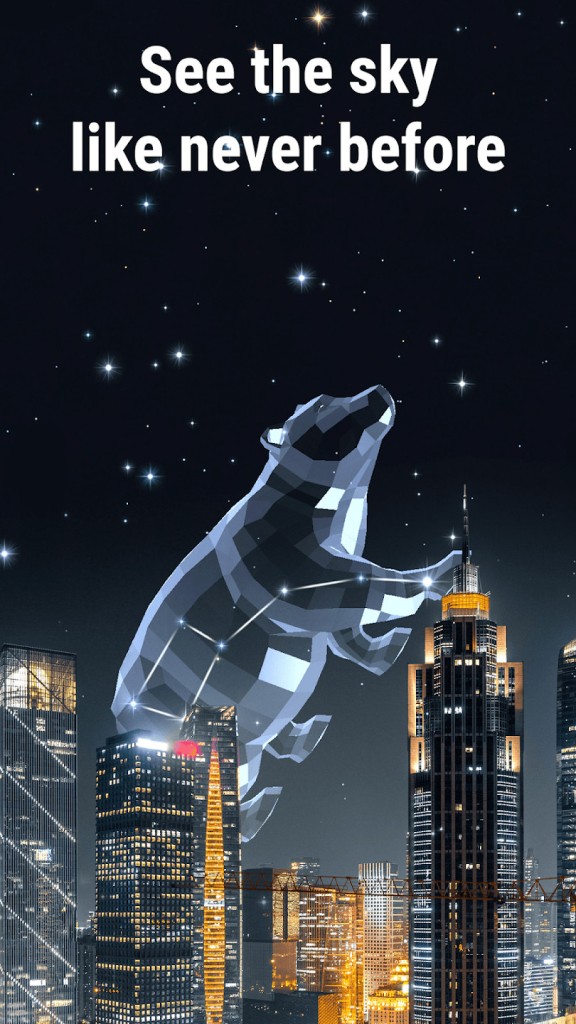
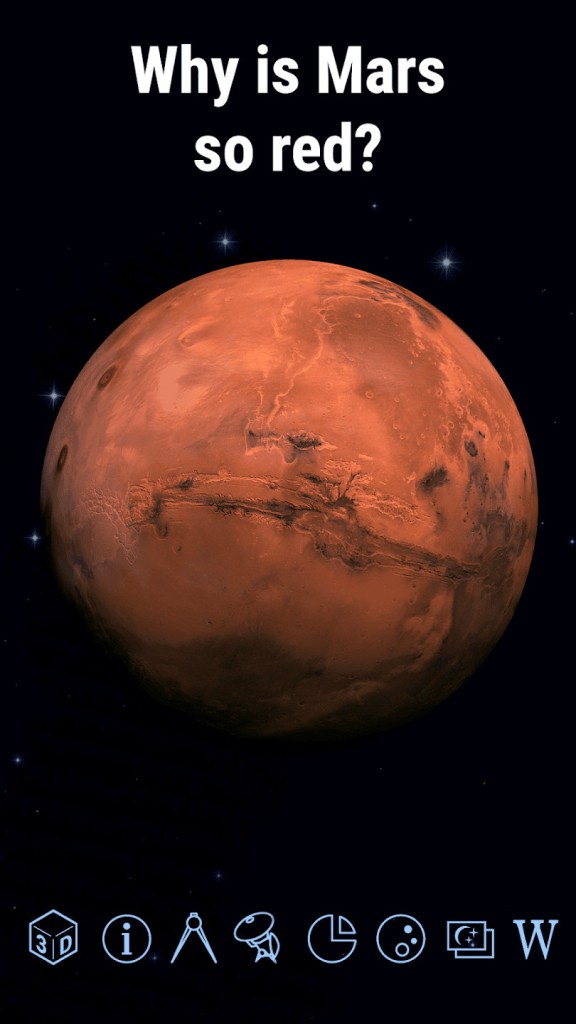
One of the strengths of the app is its 3D constellation models. Rotate the constellations, and you’ll see the stars aren’t really next to each other; they only look that way from Earth. The app is unique, and the experience also provides you with insight into the size of the universe.
Is Star Walk 2 Free?
The basic app is free to download. The main sky map can be used to find stars and planets and study some of their features at no cost. Star Walk 2 Plus, a one-time payment upgrade, removes ads and unlocks features like deep-sky objects, detailed planet models, and extra filters. It is not a subscription, but only an upgrade.
What Operating Systems Are Compatible with Star Walk 2?
You can download the app on the Google Play Store, Apple App Store, and Microsoft Store. The application does not require high specifications; a gyroscope and a compass suffice to give you a smooth experience. This is because they monitor your motion in line with the stars.
Star Walk 2 is supported on the Android platform on most mid-range phones and tablets. It is even smoother on iPhones, with clear displays and haptic controls. The application automatically adjusts to your position on the planet, changes time zones, and monitors celestial objects depending on your location on the planet.
An AR mode combines your camera with the star map so that you can see constellations overlaid on the actual sky rather than a two-dimensional map. You can pan and zoom into deep-sky objects like galaxies or nebulae; they appear as real 3D shapes rather than just glowing dots.
The fact that it is offline means that once it is downloaded, you do not require the use of the internet, which is great when viewing the stars on a trip far away and unable to see them due to bright streetlights.
What Are the Alternatives to Star Walk 2?
The same editor has developed Sky Tonight, which promises a contemporary and planning-focused experience. Have to discover what is visible at present or in the future. See meteor showers, eclipses, or conjunctions, and get reminders about what is coming up. It is as though it were a clever astronomer. It has a dark, minimal, distraction-free interface. It does not have the myth content as Star Walk 2, but it is best used for precision and live observation.
SkyView Free is a small app that is easy to use and stares at the sky. It recognizes planets, stars, and satellites, among others. AR overlay will result in an immersive experience, and one can capture and share photos with constellation outlines. Although it does not involve deep data or a lot of facts, it does give a straightforward and visual method of learning what is above you.
SkySafari is aimed at major stargazers. It provides a comprehensive database of the stars, planets, and telescope integration. Simulate the movements of stars, follow missions, and control telescopes directly within the app, which is a strong advantage of such an app to people who prefer to see data rather than images. The children’s application Star Walk Kids by the same developer has been created with bright images, narration, and bite-sized facts that can teach children about stars and planets. It focuses more on sparking curiosity than on strict scientific detail. SkySafari and Star Walk Kids are a complement to Star Walk 2: the former adds depth, the latter accessibility