Wikiloc - Trails of the World is an outdoor app that steadily earns its place among your go-to tools. You download it thinking you’ll just use it for one weekend hike, but before long, you’re opening it every time you lace up your shoes, hop on your bike, or even plan a road trip through the backcountry. It’s a trail-sharing and outdoor navigation app, yes, but it feels more like a community-driven map that keeps growing the more people explore.
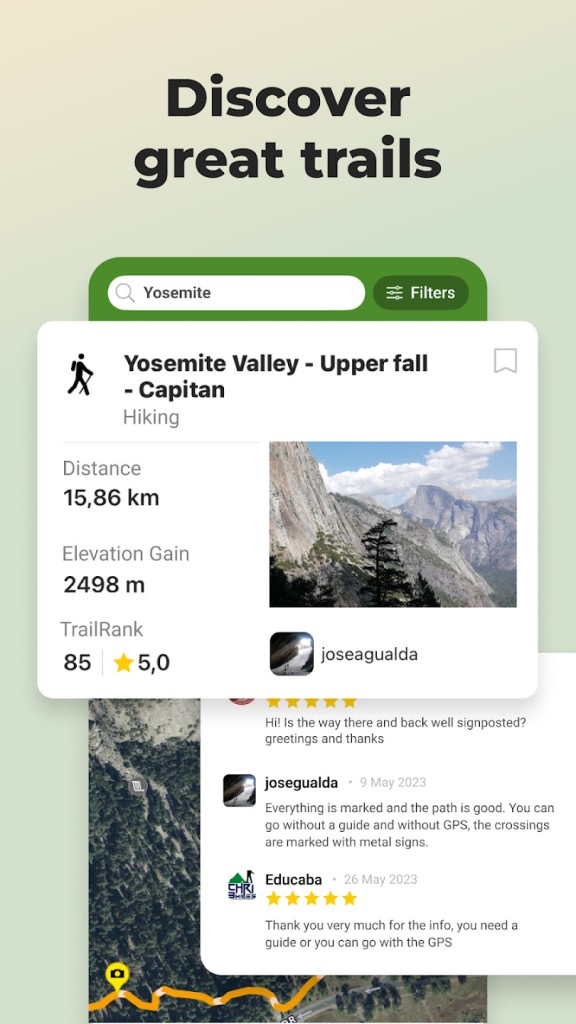
The strength of Wikiloc lies in how personal it feels. These aren’t just generic trails dropped into the app by developers or travel companies. They’re uploaded by people who walked them, biked them, ran them, climbed them, and decided it was worth sharing. And that changes everything. You’re not following routes written from a marketing angle. You’re following paths chosen by real people who’ve been there, done that, and thought someone else might enjoy it too.
Whether you're in a national park, a quiet forest trail, or a rocky coast no one seems to talk about, Wikiloc helps you get your bearings. It’s not flashy. It doesn’t try to wow you with animations or noise. It just opens up your surroundings with paths you might never have found on your own.
Why Should I Download Wikiloc?
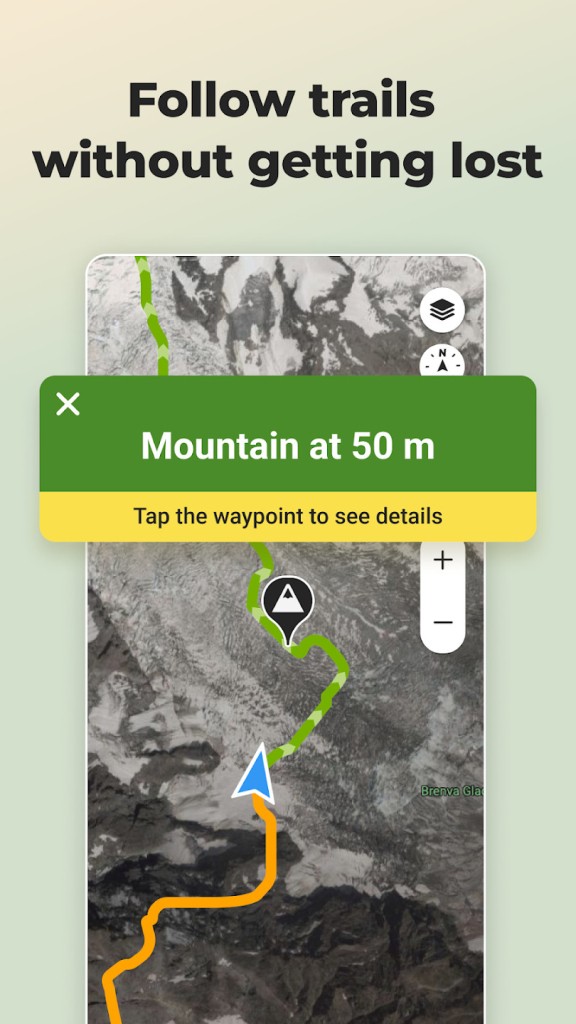
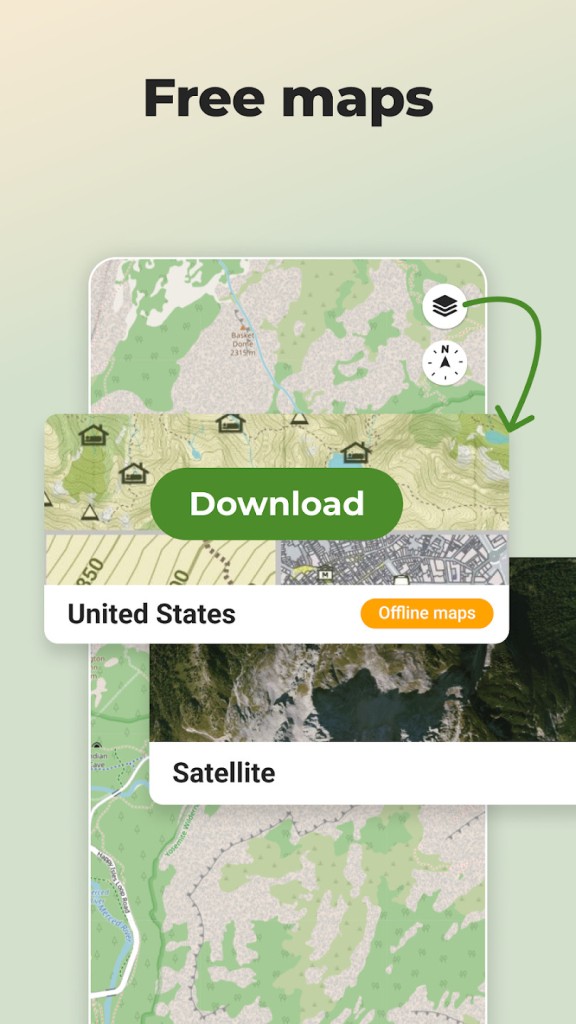
Because getting lost in nature should be a choice, not an accident, Wikiloc helps you explore confidently, especially in places where paper maps or patchy mobile service might let you down. You download a trail, save it offline, and then just follow the path. It’s as close to hand-holding as you can get without losing the joy of discovery. And for people who love the outdoors but don’t want to waste time backtracking or second-guessing, this feels like a small superpower.
The second purpose of downloading Wikiloc is the way it makes a casual field trip a bit more purposeful. You may not be planning to hike; maybe you're just out for a casual walk or to explore a new town, but with Wikiloc, you simply summon all the nearby trails, and you already find yourself on a sudden adventure. It assists you in viewing more of the surrounding world, even in areas you’re already familiar with. Whether you're planning a quick outing or a full-day adventure, it will never be too far away, sitting silently in your pocket, just waiting to guide you somewhere beautiful.
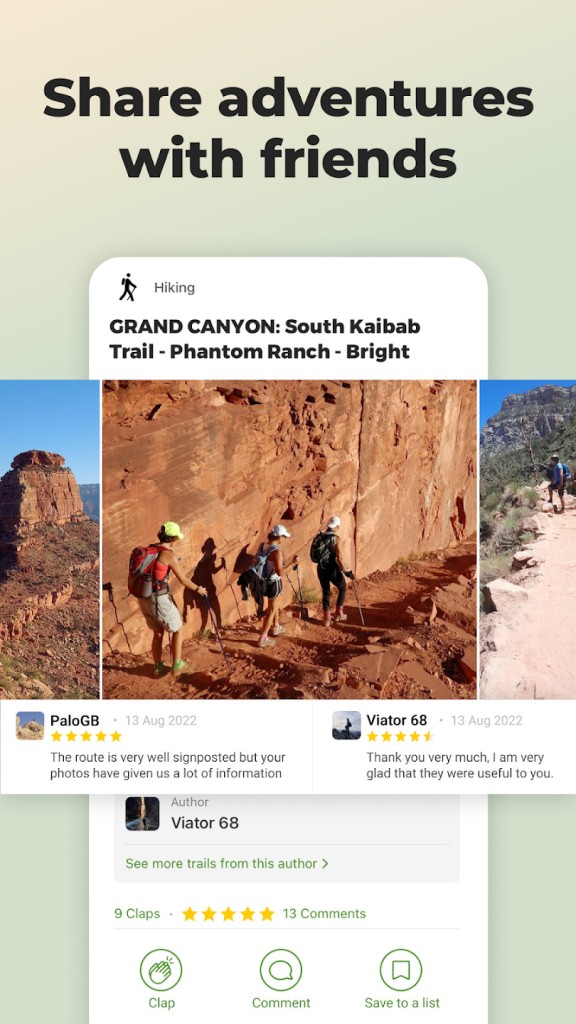
It also feels very community-driven. You’re not just taking from the app; you can give back too. Maybe you go for a weekend hike, record your route, snap a few photos, and post it. Suddenly, someone else has a guide to follow. It builds on itself. The more people use it, the richer it becomes. And that gives it a sense of shared purpose you don’t always find in outdoor apps. It’s not about showing off. It’s about helping the next person enjoy the same peace, the same challenge, the same view.
Wikiloc also supports a wide variety of outdoor activities, not just hiking. Biking, running, kayaking, skiing, horseback riding, you name it. This makes it flexible. Maybe you’re a casual stroller one day and a trail runner the next. The app doesn’t force you into one box. It moves with you.
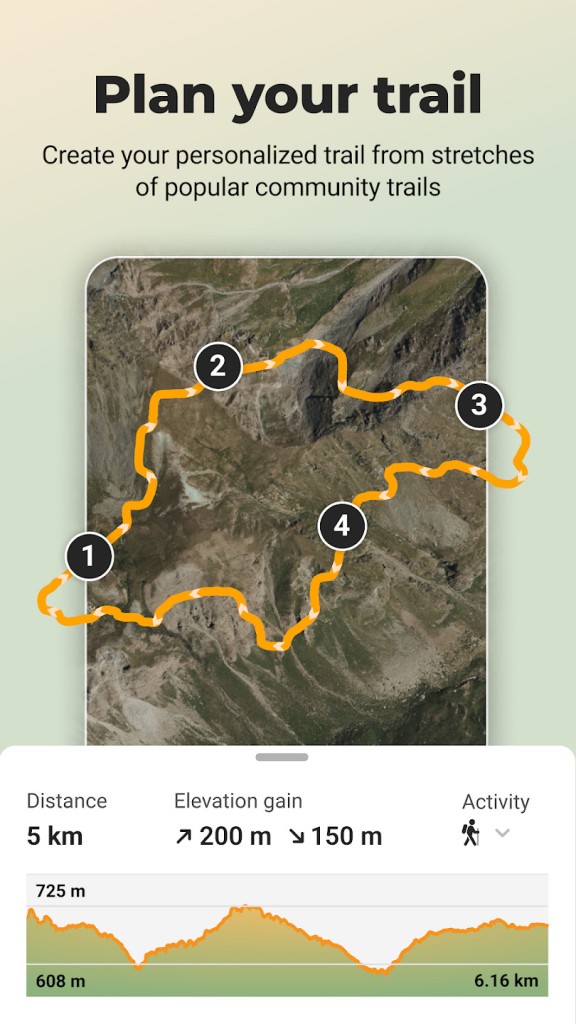
And the filters help a lot, too. You’re not just choosing random trails. You can sort by difficulty, duration, elevation, or even trail surface. It helps you plan according to your energy, your gear, or just your mood. Maybe you want a slow forest loop or a steep mountain climb. Maybe you only have two hours. The app gets that. It trims the options until you find what fits.
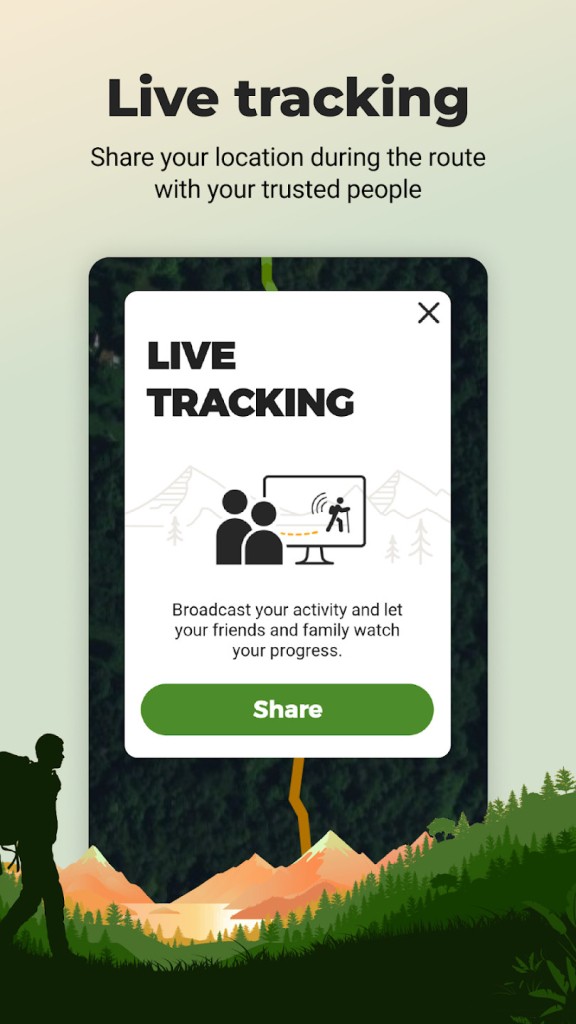
One of the most underrated features? Safety. You can share your live location with friends or family while you're out. That bit of connection can make a big difference when you're venturing somewhere new. It brings peace of mind, especially if you're out alone or traveling in remote areas.
Wikiloc doesn’t try to be a fitness app, a travel agent, or a weather forecast. It stays in its lane and does it well. It helps you move through the world more intentionally, and that’s enough.
Is Wikiloc Free?
Yes, the app is free to download and use. You can browse trails, track your own routes, and access many features without paying. For offline trail downloads, live tracking, and advanced navigation, there’s a premium version, but the basics work perfectly fine for casual users.
What Operating Systems Are Compatible with Wikiloc?
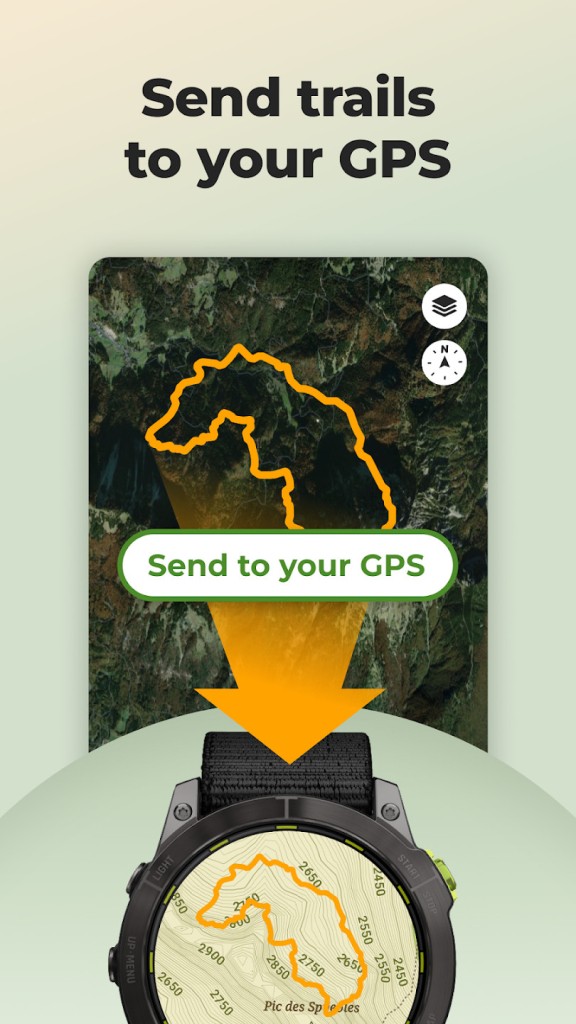
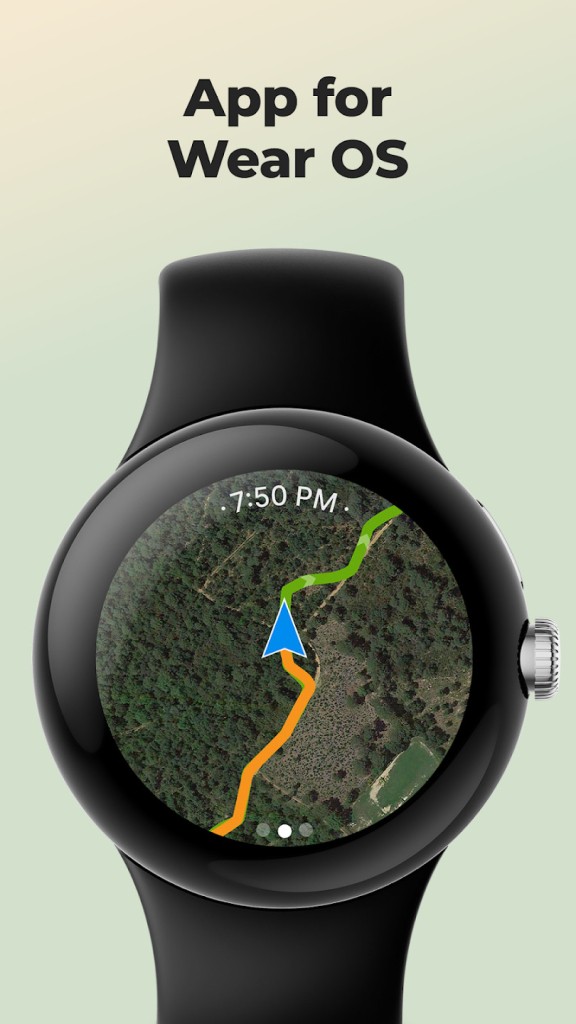
Wikiloc is available for both Android and iOS devices, and it also works in browsers through its web version. The mobile app is optimized for outdoor use, with offline features for when you're off the grid. Just make sure GPS is enabled, and you’ve downloaded the trail ahead of time if you’re going somewhere without coverage.
What Are the Alternatives to Wikiloc?
AllTrails is often the first name that comes to mind when talking about outdoor trail apps. It has a sleek interface, a massive trail database, and plenty of user reviews and photos. Where Alltrails shines is in the detailed long descriptions, user tips, and clear difficulty ratings. It’s a strong choice for people who want structured planning and polished design. It does lean more toward hiking and running, but its community is massive and reliable.
Outdooractive. Hike and Ride is another strong contender, especially for users in Europe. It offers a broader range of maps and integrates travel information, like public transport access points. Its strength lies in navigation precision. It supports voice-guided directions and topographic maps, and it’s good for people who need very specific planning tools. It’s more technical than social, so if you like studying your routes as much as walking them, it fits well.
Locus Map 4 Outdoor Navigation is a more technical, power-user alternative. It’s packed with features like customizable dashboards, multiple map layers, route planning tools, and tracking analytics. This is for serious adventurers who want full control and don't mind a learning curve. It’s not quite as community-driven as Wikiloc, but for solo explorers who want to fine-tune every aspect of their route, it’s powerful.