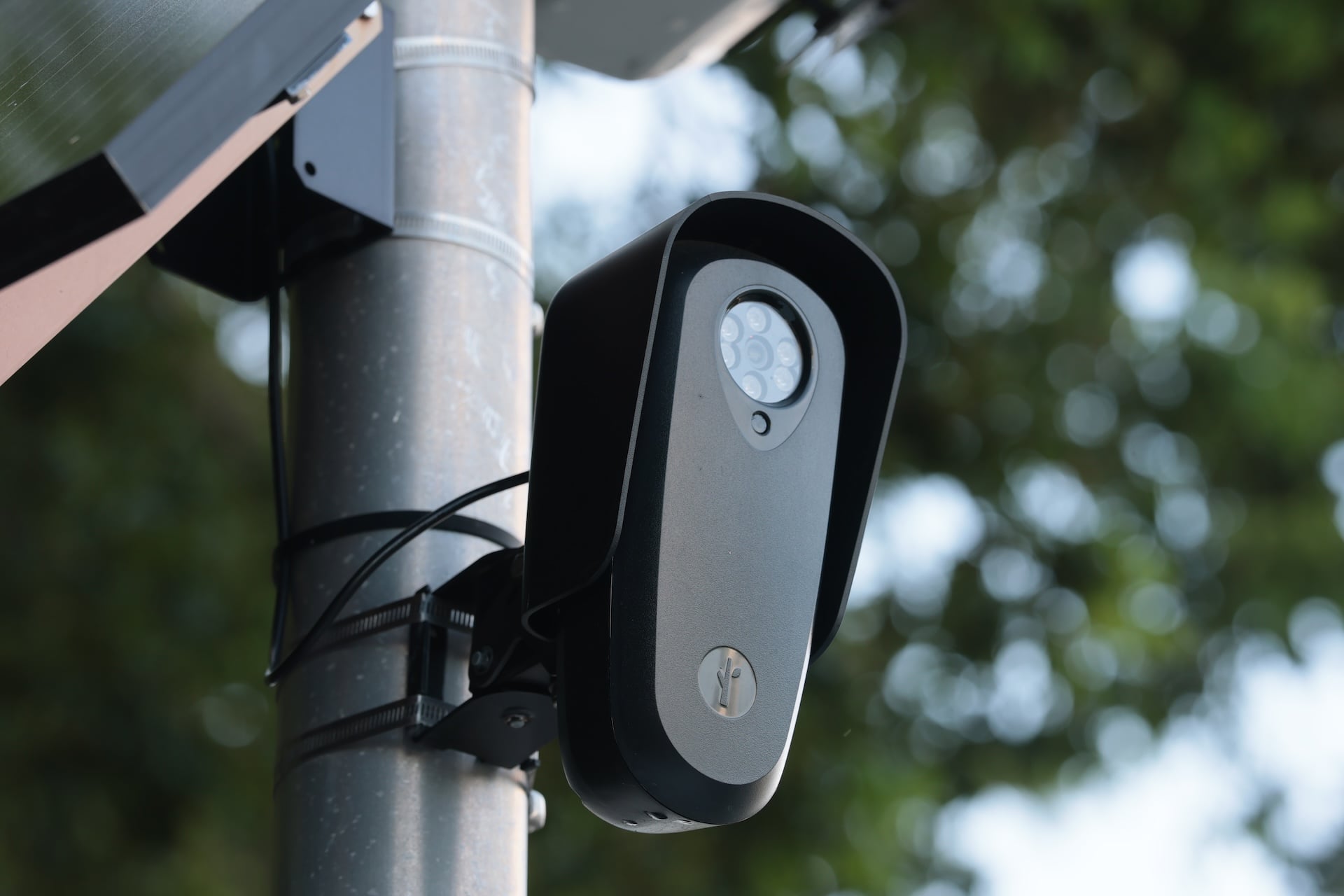
On Thursday, U.S. District Judge Sara E. Hill ruled in the case of United States v. Melisa Susan Kyle that a Tulsa County deputy’s warrantless search of automated license plate reader (ALPR) systems, including Flock, violated the Fourth Amendment. As a result, the judge suppressed the evidence that followed. The case is a federal prosecution in the Northern District of Oklahoma, and Kyle is charged with possessing methamphetamine with intent to distribute.
One evening a Mazda with a California plate passed Tulsa County Deputy Sheriff Freddie Alaniz, a Drug Enforcement Administration task force officer, while he was watching traffic. According to Hill’s opinion and order, Alaniz pulled onto the highway and followed the Mazda for “no apparent reason other than the fact that it had a California license plate.”
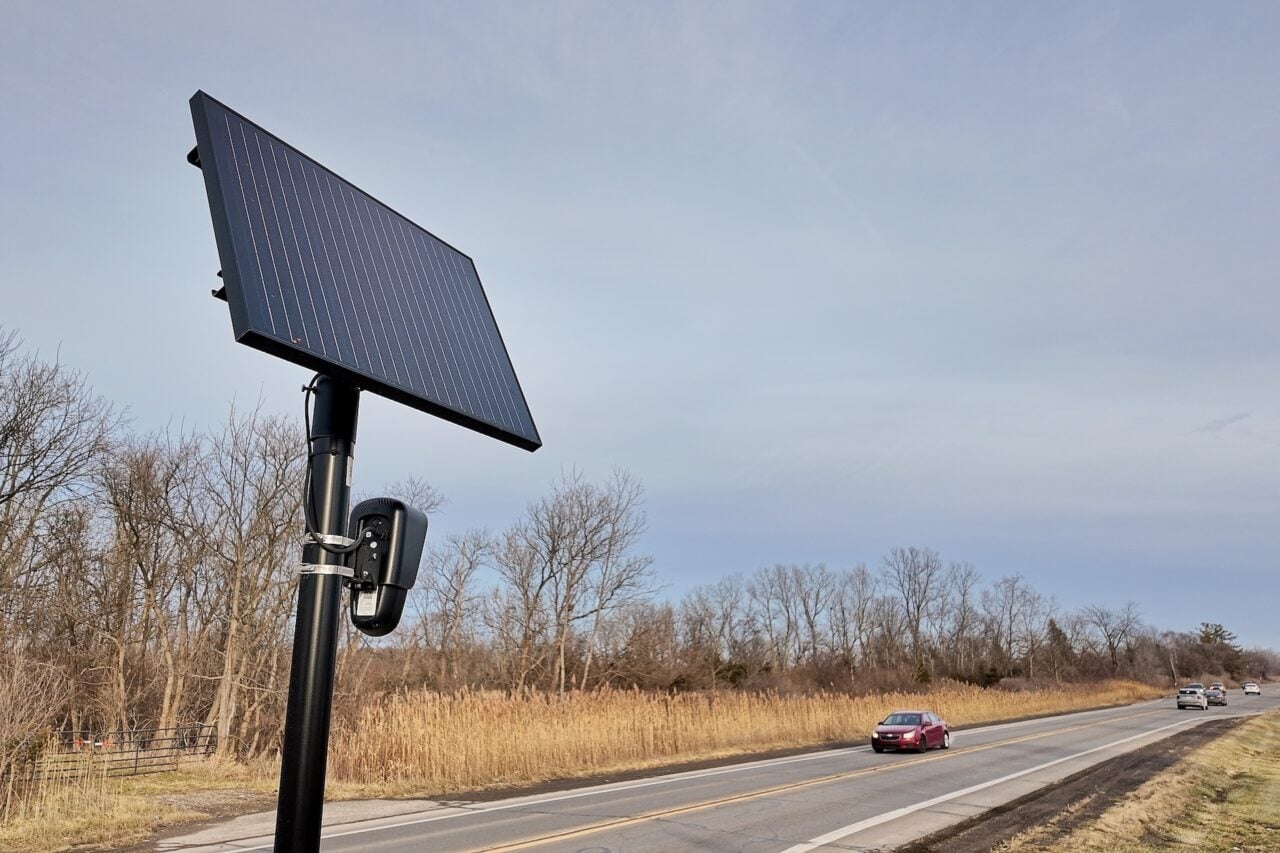
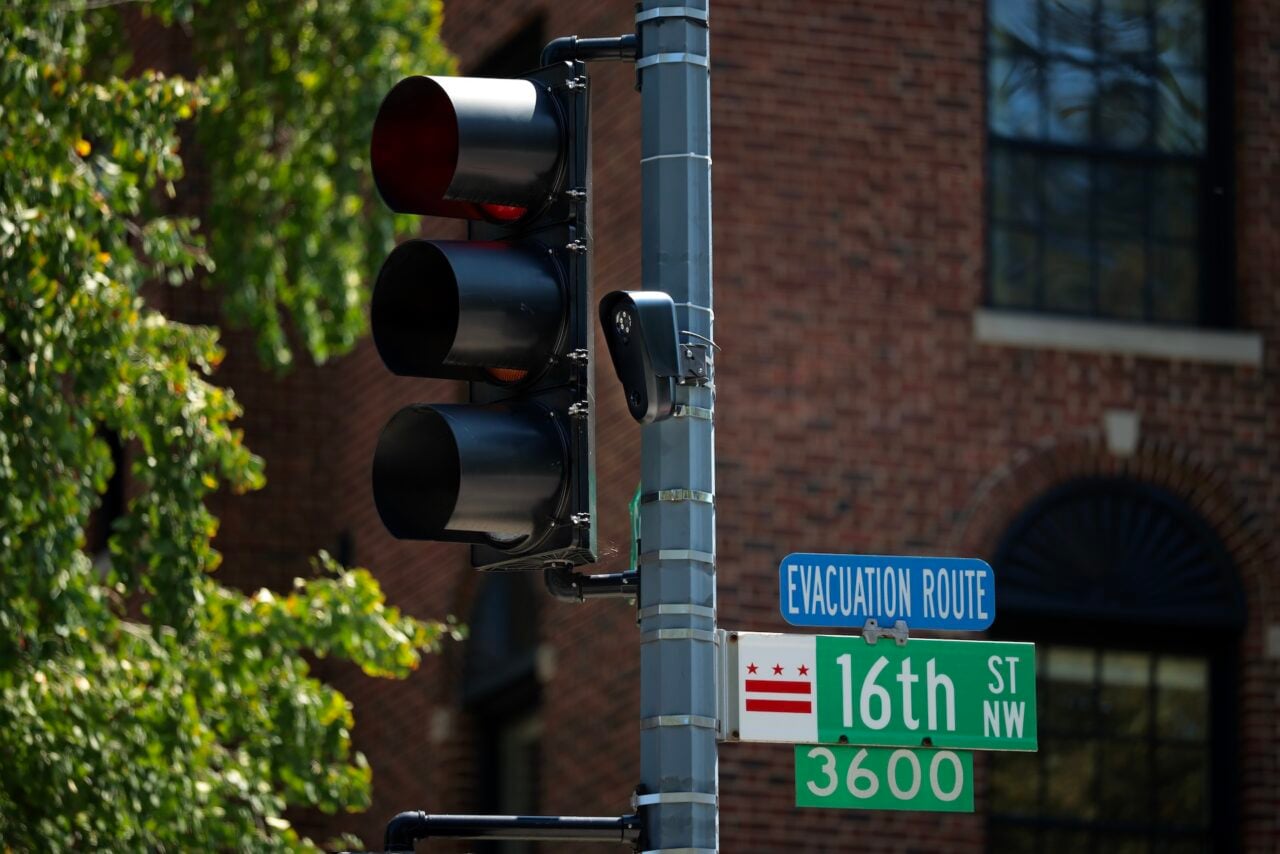
While he followed, Alaniz ran the plate through two ALPR systems, Flock and VehicleManager. Both products do roughly the same job, gathering and organizing historical vehicle location data for law enforcement.
The search gave him a travel log with more than 50 records of the vehicle’s whereabouts over the previous month, including that the Mazda had gone from Locust Grove, Oklahoma, toward the California-Arizona border and was headed back toward Missouri after a short trip. After that, he saw the driver fail to signal lane changes and follow another vehicle by about 30 feet. He pulled Kyle over for the traffic violations and used the short trip to California as his reason for asking to search the SUV. She refused, so he detained her for a dog sniff. According to a post by the Tulsa County Sheriff’s Office’s Instagram account, officers found 91 pounds of methamphetamine in the Mazda SUV.
The Court Suppressed What Came After
Neither the Supreme Court nor the Tenth Circuit has decided whether this kind of search needs a warrant. In her opinion and order, Hill wrote that nearly every court to reach the question has said no, relying on United States v. Knotts, a 1983 beeper case in which the Supreme Court said drivers have no reasonable expectation of privacy in going from one place to another on public roads. Hill wrote, “More than 40 years have passed since the Supreme Court’s decision in Knotts, and this Court is now faced with technology that appears to be approaching the dragnet type law enforcement practice Mr. Knotts warned of.”
Hill also wrote, “This is a type of indiscriminate mass surveillance.” She continued, “It is a tool that collects information about all vehicles that pass by any network-connected camera at all times, and it serves up the information to law enforcement on demand.”
Hill found that the querying of Kyle’s vehicle in ALPR systems was a search under the Fourth Amendment without a warrant or probable cause, and she ordered all evidence obtained after the ALPR search suppressed as “fruit of the poisonous tree.”
In her ruling, Hill also asked, “Why is it the government’s business where everyone goes all the time?”
Other Judges Have Gone the Other Way
It should be remembered that this order is only one district judge’s reading of the ongoing debate around the use of ALPR systems like Flock.
Hill herself cited three other recent Oklahoma federal decisions that took the opposing view: United States v. Schoggins in the Eastern District, United States v. Brown in the Western District, and United States v. Acosta in her own Northern District.
A Flock spokesperson told 404 Media, “The ruling goes against the overwhelming weight of authority in similar cases across the country, including multiple recent decisions in Oklahoma, and we expect it will be appealed and ultimately overturned. This ruling is limited to the specific facts of this case. It does not set controlling precedent and does not affect law enforcement agencies’ continued use of these important public safety technologies.”
NEW: A Federal judge just ruled that a warrantless Flock/ALPR search violated a woman's 4th Amendment rights!
"Why is it the government's business where everyone goes all the time?"
"Freedom from persistent, dragnet-style surveillance while in public is not a foreign concept in… pic.twitter.com/KqbQ1Al4MQ
— John Scott-Railton (@jsrailton) October 2, 2026
According to 404 Media, officers are running more than 100,000 warrantless searches of the Flock system every month. Responding to the situation on X, Citizen Lab senior researcher John Scott-Railton wrote, “Setting up for an interesting fight in circuit court if the government appeals.”
Growing Distrust of Law Enforcement Tech
Hill’s order is about a real drug arrest and a database query she found illegal, but there have also been plenty of instances where this sort of technology has simply proven faulty. In Roseville, California, the system misread the plate in 71% of Flock alerts tied to stolen vehicles or felony cases over a two-year stretch. The Institute for Justice has documented at least 27 cases of drivers mistakenly pulled over, detained, or arrested after a Flock alert, including an Arkansas family held at gunpoint.
Facial recognition technology has a similar track record. Jacksonville police arrested Jalil Richardson after an automated facial recognition search his family was later told was an 85% match. He spent 33 days in custody in North Carolina and 50 more in Jacksonville before prosecutors dropped the charges, but he lost his job, car, and home by then. Similarly, Robert Dillon was arrested after a 93% match in a case accusing him of luring a child from a McDonald’s, though he was more than 300 miles away at the time. He spent a night in jail. Prosecutors dropped the charges about two months later. These false-match cases are part of a separate fight over whether this kind of underlying automated technology can be trusted at all.
Congress May Act on the Flock Controversy
Some cities have already canceled Flock contracts over privacy and data-sharing concerns. Secure Justice, an Oakland advocacy group, has recorded 214 cities and counties that dropped Flock since 2021, including 93 in August alone. Denver’s city council declined to renew its contract this year after reports that the city’s plate data was on a national network available to immigration enforcement. In Verona, Wisconsin, officials covered three cameras with trash bags after voting not to renew. Flock had told the city not to take the cameras down itself. That said, a company spokesperson told Ars Technica that new city partnerships have outpaced nonrenewals by about 10 to 1 so far this year.
The day after Hill’s order, Sen. Bernie Sanders, Sen. Jeff Merkley, and Rep. Alexandria Ocasio-Cortez introduced the Ban Flock Act. It would bar federal agencies from using automatic license plate readers or accessing the data they collect, cut off federal grants to state and local governments that use the technology, and let people sue the federal government over violations. Sanders said, “We cannot allow America to become a surveillance state where a handful of AI oligarchs profit by giving the government the power to track our every movement.”
The bill is a long shot for passage prior to the November midterm elections. Sen. Josh Hawley has a separate proposal, the Stop Flock Abuse Act.
Notably, the pushback on Flock has been largely bipartisan. Texas Gov. Greg Abbott and Florida Gov. Ron DeSantis, both Republicans, have already limited the cameras. Abbott blocked state funding for new Flock cameras in August, and the Texas Department of Transportation later stopped issuing permits for new plate readers along state roads. DeSantis ordered permitted readers off state highways, and the Florida Department of Transportation revoked local agencies’ permits and gave them 30 days to take the cameras down.