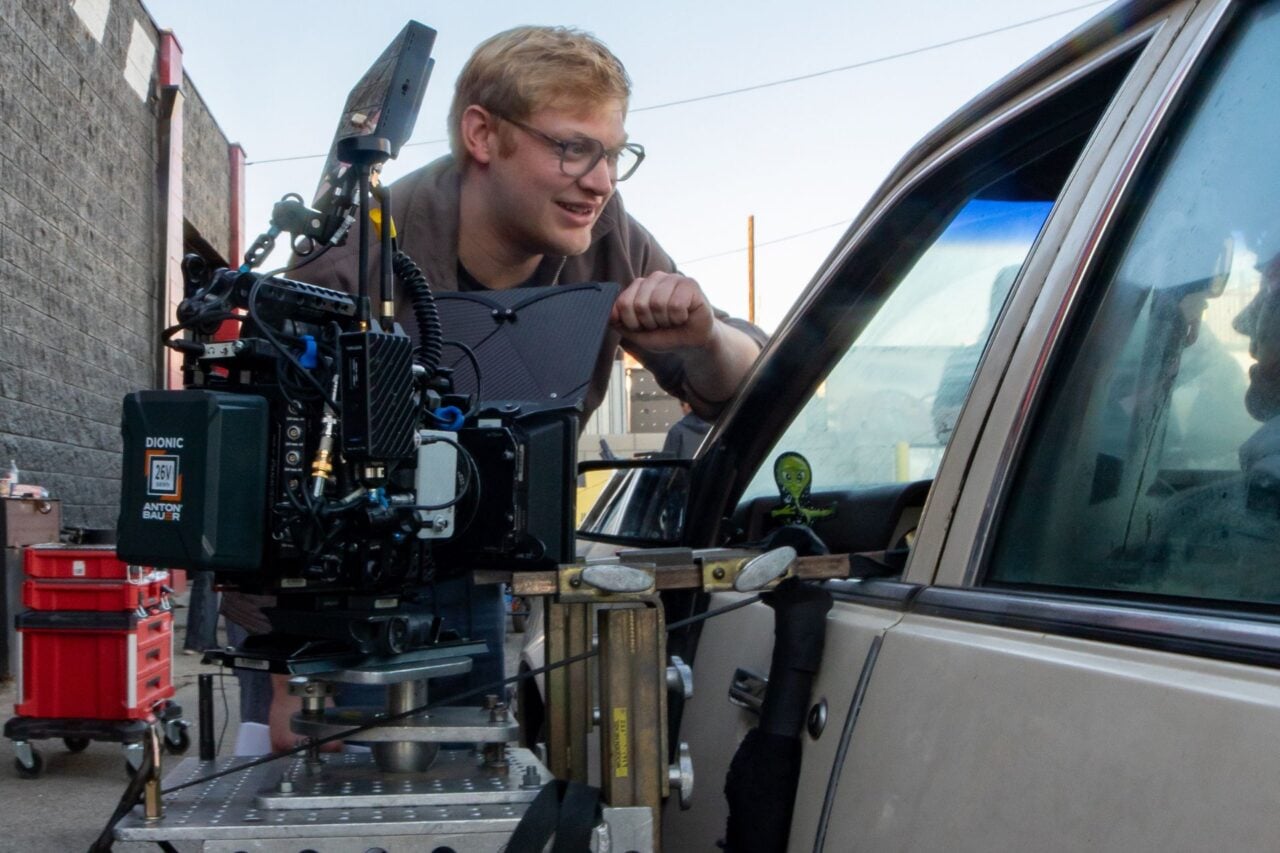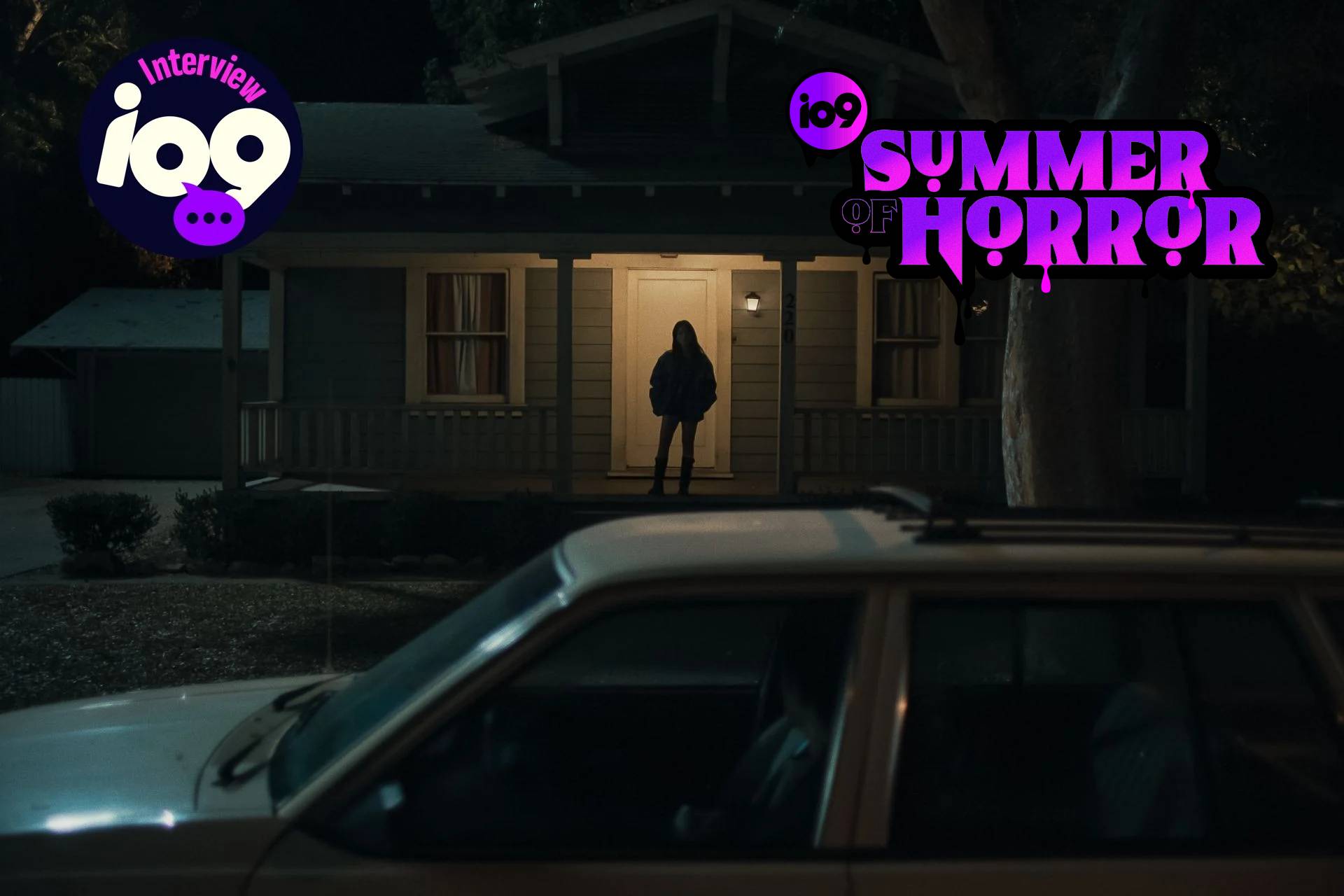
The new horror movie Obsession is relentless. It’s brutal. Every time you think it couldn’t go any further, it does just that. And that’s exactly what writer-director Curry Barker is going for both with the film and his career. He wants to push the boundaries of horror, and he’s already off to a good start.
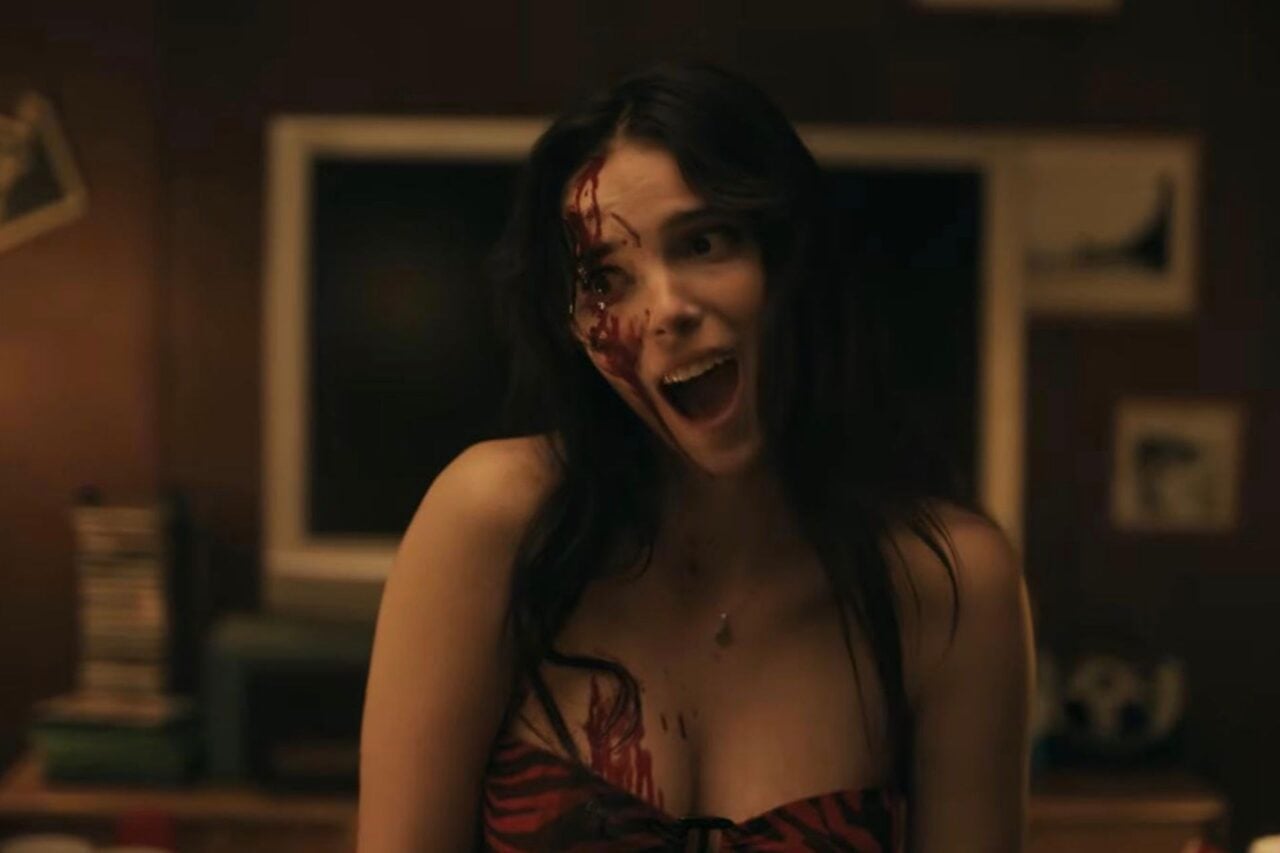
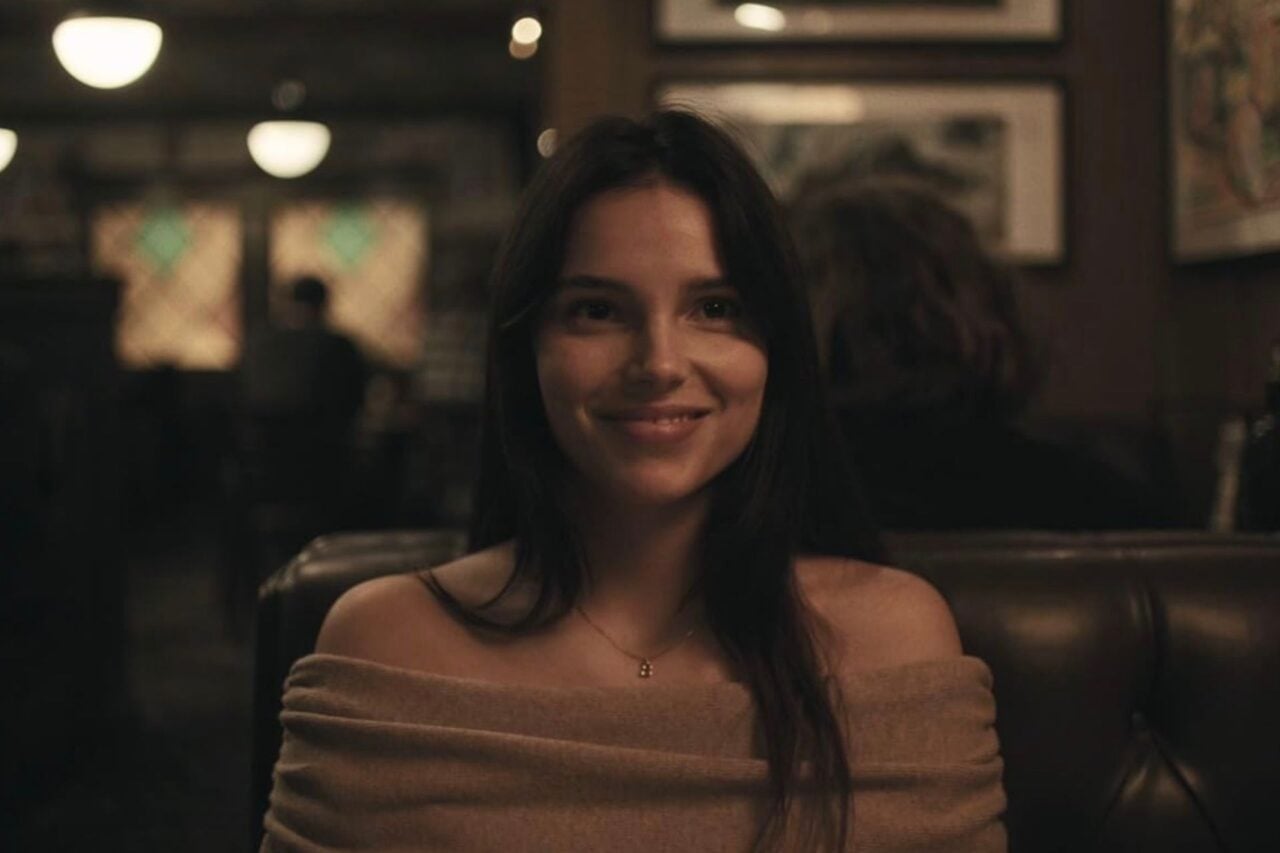
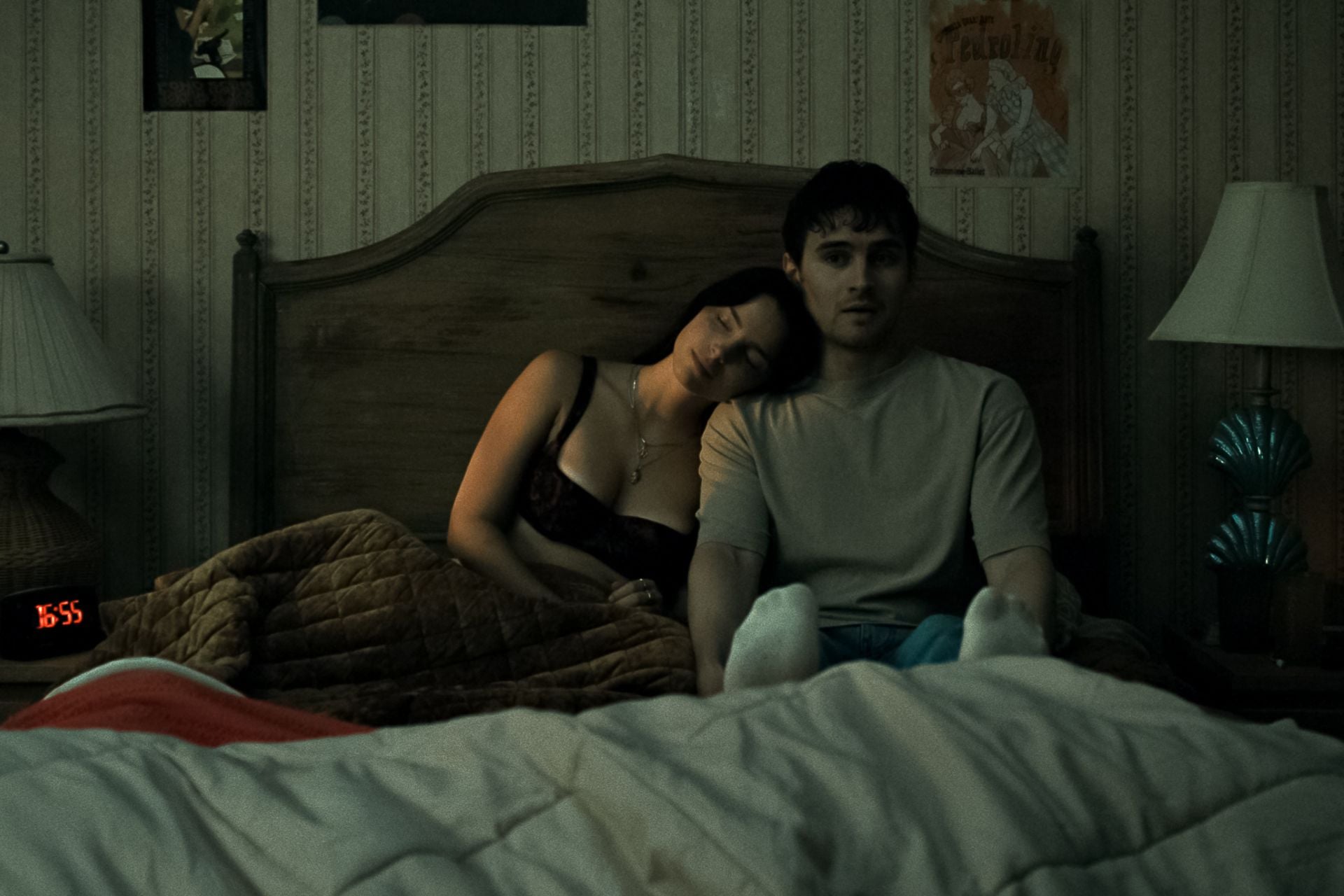
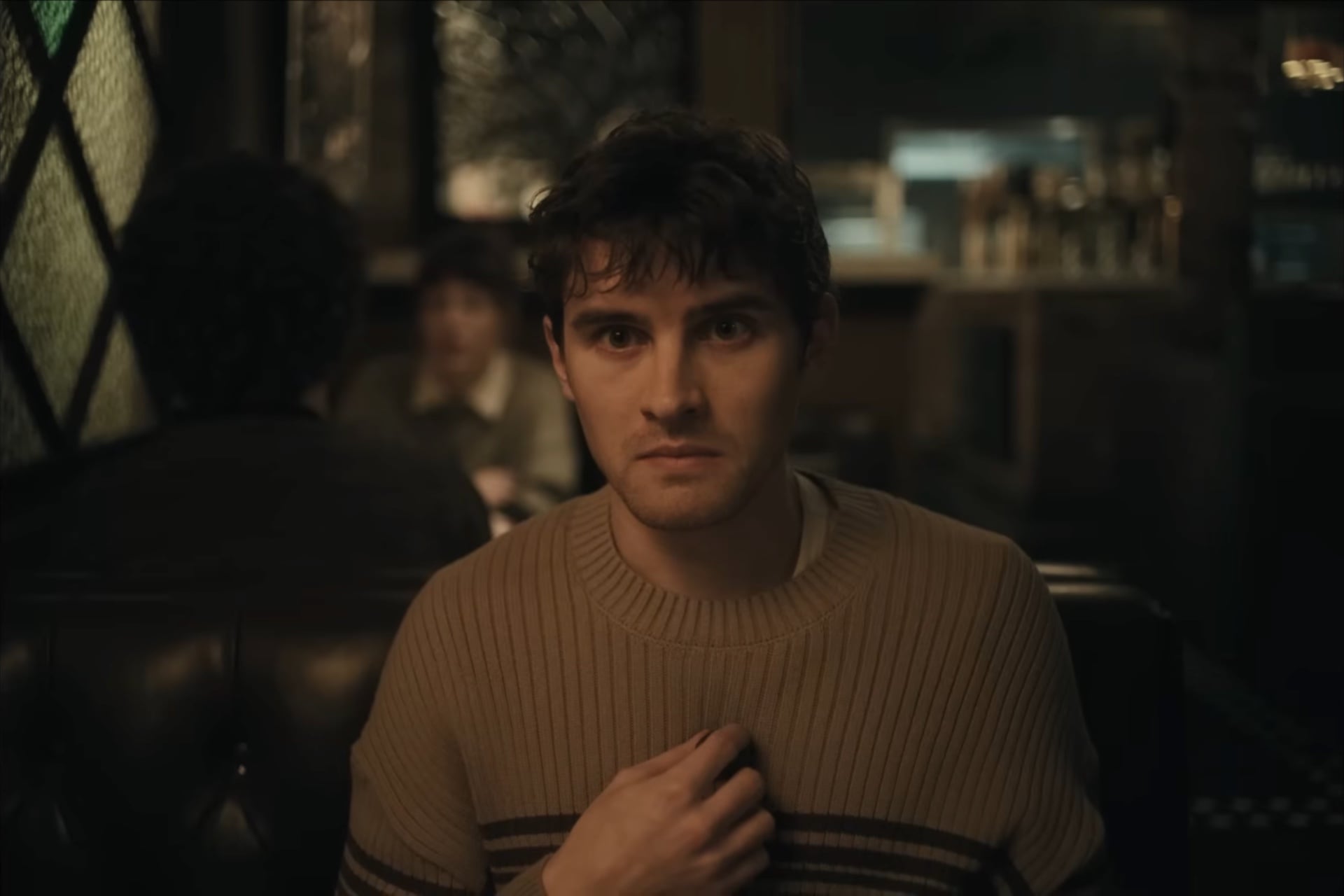
Obsession, which opens Friday, follows a man named Bear (Michael Johnston) who has a massive crush on his friend and co-worker Nikki (Inde Navarrette). When he can’t muster up the courage to tell her how he feels, he uses a seemingly pointless trinket called a “One Wish Willow” to wish that Nikki would love him more than anything in the world. And it works.
This is only Barker’s second film, but already you can very, very clearly see that he might be the future of horror. And the fact that he just signed on to make a new Texas Chainsaw Massacre movie only bolsters the case.
io9 spoke to Barker via video chat last week about where Obsession came from, his writing process, and if he realized the film’s franchise potential, aspirations, and inspirations. We also talked about his next movies: the star-studded Anything But Ghosts, as well as that Texas Chainsaw movie.
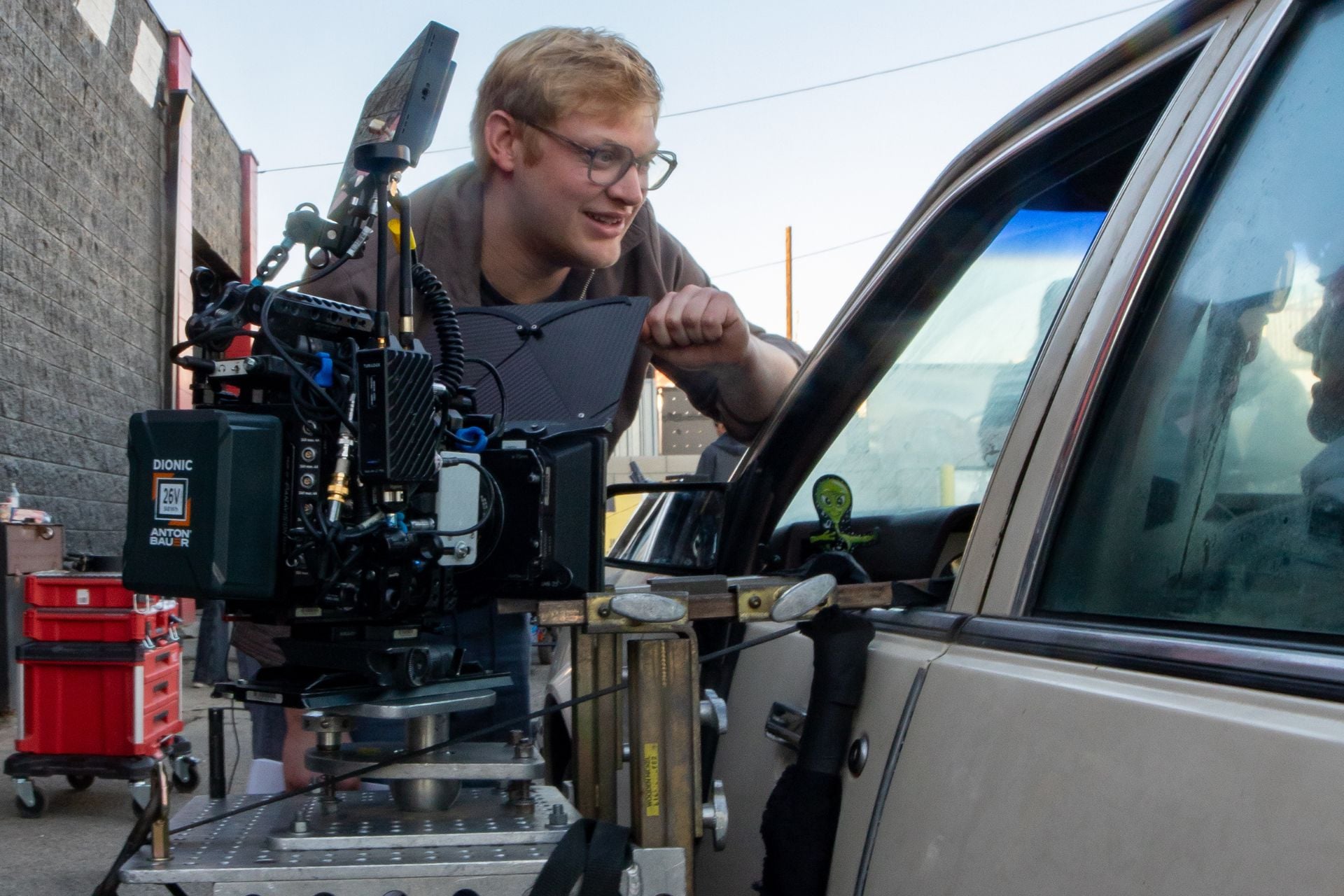
This interview was edited for length and clarity.
Germain Lussier, io9: So I read that the first idea for this was inspired by the “Monkey’s Paw” episode of The Simpsons. Is that true?
Curry Barker: I mean, The Simpsons thing has become such a kind of buzzy thing, [but] it is true. I’d already had this idea for a while about obsession and kind of tackling that theme, but I hadn’t really cracked exactly how the movie worked yet. And so that Simpsons episode struck the idea of making it a wish-gone-wrong type of movie. So that’s the credit that that Simpsons episode seems to get.
io9: What was your idea before that in regard to obsession overall?
Barker: I was really intrigued by the idea of obsession, like whether you’re obsessed with climbing the top ranks at your job or whether you’re obsessed with being the best basketball player in the world, whatever. And the idea of being obsessed with another person was something that I hadn’t really seen done to its full glory. And so I already had this idea of, like, an obsession-type movie, but the wish thing really unlocked the full potential of that
io9: Take me through your process of writing it. Did you have specific scenes in mind? Do you outline? How did it all start to come together?
Barker: I tend to outline, but I like to keep it pretty loose because I go back and forth. I feel like you can really allow yourself to discover things a little bit more when you don’t treat the outline like a bible. Maybe you outline that by this scene, they should be going to the restaurant or whatever. But maybe as you’re writing, you discover that the car swerves over, and now they’re on the side of the road. You didn’t anticipate that to happen, but now you’re writing, and you’re like, “Whoa, it’d be crazy if the car swerved off to the side of the road…” Also, I typically have ideas that I’m like, “I want to find a way to incorporate this, this, and this. I don’t know where it fits in the story yet, but I know that I want to put it somewhere.” And you’ve got to be careful with that because if you try too hard to fit something in, it could come at the expense of the story. So you have to be careful. But most of the time I try to figure out how to put them all in.

io9: Well, this movie certainly has a lot of those moments. Speaking of which, the idea of the One Wish Willow and that these exist all over the world—when you created that, did you grasp the full potential of it? The movie hints at it in a few ways, but I kept thinking about how, if this is a hit, there could be a One Wish Willow cinematic universe with people all over making bad wishes. Did that ever click in your head?
Barker: It clicked in my head once I kind of came up with the idea. It was like, “Oh, this is like a thing.” But it’s a hope and a dream, you know? It’s hoping and wishing that it becomes a thing and that people latch onto it. I knew that there was the potential for this to be, like, kind of an iconic thing, but of course I didn’t anticipate that the One Wish Willows would sell out on the Focus website, and now they’re selling on eBay for, like, $200.
io9: And people haven’t even seen the movie yet!
Barker: Yeah, people haven’t seen the movie yet. It’s crazy.
io9: So, in your head, do you have other potential One Wish Willow ideas?
Barker: Yeah.
io9: And are they all horror ideas?
Barker: I think so, yeah.
io9: Okay, awesome. What about the guy on the phone? Like, obviously, it’s a very creepy, weird scene. But do you know who that guy is, what they do, and what they know? How much lore is in your head about that?
Barker: Not that much.
io9: So how did you kind of come to that scene then?
Barker: Like, I know that there’s a number that you can call. This is a real business. They sell One Wish Willows, and whatever business this is, it has to be tapped into some sort of magic because the thing works, right? But I like to keep it pretty vague. As far as, like, wherever she is, you could think of it as a purgatory or whatever, but I kinda like that we don’t dive into it too much. And that it’s in the people’s hands to come up with their own theories and ideas of what it is and stuff like that, you know?

io9: No, I agree. I love everything about the movie, but I think one of the things I love the most is that it left me with all these emotions, but then there was that little seed of, like, “What the heck was actually happening?” Like, your movie is so based in reality except for that one little outlier.
Barker: Right. Exactly.
io9: When did you realize that you had something kinda special? Obviously, it gets into the Toronto International Film Festival, it gets bought by Focus, and now it’s gearing up for the release. But was there a moment during production or writing when you were like, “Oh, I have confidence in this?”
Barker: I mean, I go through so many phases as a creative person. I have a phase where I slap a script on the desk, and I’m like, “This is the best thing I’ve ever written.” And then I go through a phase where I’m like, “Oh, maybe it’s not that good, and maybe this isn’t even the project that I should do next. Maybe this sucks.” And then when we’re shooting, I’ll go through a phase of, “Oh my God, the dailies look so amazing; this is the best thing ever shot.” And then when you’re editing, you’re like, “Oh, maybe this sucks.” You know, you just go through ups and downs. Sorry, I can’t even remember exactly your question
io9: When did you know you had something special? But it sounds like maybe you might never know. Like, it could make $2 billion, and you might still think it’s not great.
Barker: Yeah, there are phases where I think it is special. But I think the moment that I realized people like this thing is when we did a test screening for it, and there was one question that really stuck out. It was like, “Would you recommend your friend to watch this movie?” Yeah. And every single person in the test screening said, “Yes.” And it was, like, unheard of. No one’s ever had every single person saying “Yes” to that. And people were telling me that this was something special. And that was kind of like, “Wow, okay, cool.” You know, I’m glad people like it.
io9: Well, add me to that list. Okay, it’s been a little less than a year since the TIFF debut. And I know it’s hit a couple of festivals here and there, but has anything changed or been tweaked since then, or has the movie remained locked the entire time?
Barker: Oh, yeah. The version that got into TIFF, actually, was a very, very early cut. Not the version that we showed at TIFF, I want to be clear.
io9: Noted.
Barker: The version that we showed at TIFF was pretty clean. But the version that we sent to the judges of TIFF to be like, “Hey, watch our movie. Maybe allow us to come to your festival.” That version of it had a completely different opening to the movie. There were some scenes that were completely new that we had shot. So, it got accepted into TIFF from a pretty early cut, which was mind-blowing because it got everyone involved to finally be like, “Okay, this is something really cool.” Because it got into TIFF, you know?
io9: Of course.
Barker: And so it kind of greenlit our additional photography. It kind of knocked everybody into place. It got us a post-supervisor! I had never had a post-supervisor before. I was just kind of editing this thing in my free time, right? But now we have a post-supervisor. We have someone who’s making sure we have a schedule for post-production. And it kind of just knocked everyone into gear. And we finally finished the movie.
io9: So how similar is the version that played at the festival and the one that comes to theaters?
Barker: Pretty darn similar. I think I did, like, two or three more passes of the sound. Two or three more passes of the color. And then, obviously, there are some things that we cut to get that R rating that I’ve spoken publicly about a couple times. There were a couple of head smashes that we had to take out.

io9: Yes, there’s a lot of head smashing in the movie. It’s a very brutal movie. Was that always your intention? Was it always going to be that brutal, that visceral, that violent?
Barker: Absolutely. Really, all I’m interested in doing is pushing the boundaries of horror. I mean, I just wanted to make a movie that I would be excited to watch, and I get kind of disappointed when the films that I watch pull their punches or don’t really go there, or they kind of promise that they’re going to go there and they don’t. So [I’m just] kind of copying the movies that I look up to, really.
io9: A lot of this movie really works because Michael and Inde are just so good in it. The characters are both so nuanced, interesting, and terrifying. So I’m wondering about, like, on the day, what it was like working with them at that level of intensity?
Barker: Oh, yeah. I mean, you’re asking a lot from Inde, for sure, from the get. And so, to me, it was really about just keeping it light on set. I’m not a believer that it’s a brutal movie, and so it’s gotta be super serious on set, and this is a serious film, and everyone needs to take it seriously, and the actors need to go to a dark place to get there. I’m just not a believer in any of that. I think that if you’re an adult and you’re pretending for a living, then there’s something from childhood that you’ve kept holding on to. I was a big pretender as a kid. I used my imagination a lot. I still get to as an adult. And so, like, it’s kind of silly to take that too seriously. All adults, just playing pretend, and so that’s kind of the attitude I had on set, and just keeping it light, and everyone can laugh at everyone’s mistakes, and there’s nothing to it, you know?
io9: Yes, for sure. Now, you’ve already finished filming your next movie, right? Anything But Ghosts?
Barker: Yes.
io9: Obviously, you can’t say anything specific or spoilery, but is it kind of totally similar to this? Does it “push the boundaries of horror,” as you just said?
Barker: I think it’s going to be really unique because it, to me, lives in the same world. You could put these two movies side by side and go, “Yeah, like, they probably live [together].” Like, the tone isn’t going to be a crazy shift, but I will say that it’s very different than Obsession in the aspect of like, the premise itself lends itself well to comedy. And so naturally, it’s a lot funnier. I mean, it’s about two ghost hunter con artists. So that premise alone just lends itself better to comedy in a way that this premise didn’t. So naturally, you’re going to get more comedic scenes. It’s me and Cooper [Tomlinson]. So it’s kind of a comedic duo. But also, we take the stakes very seriously. It should be set in a very real world.
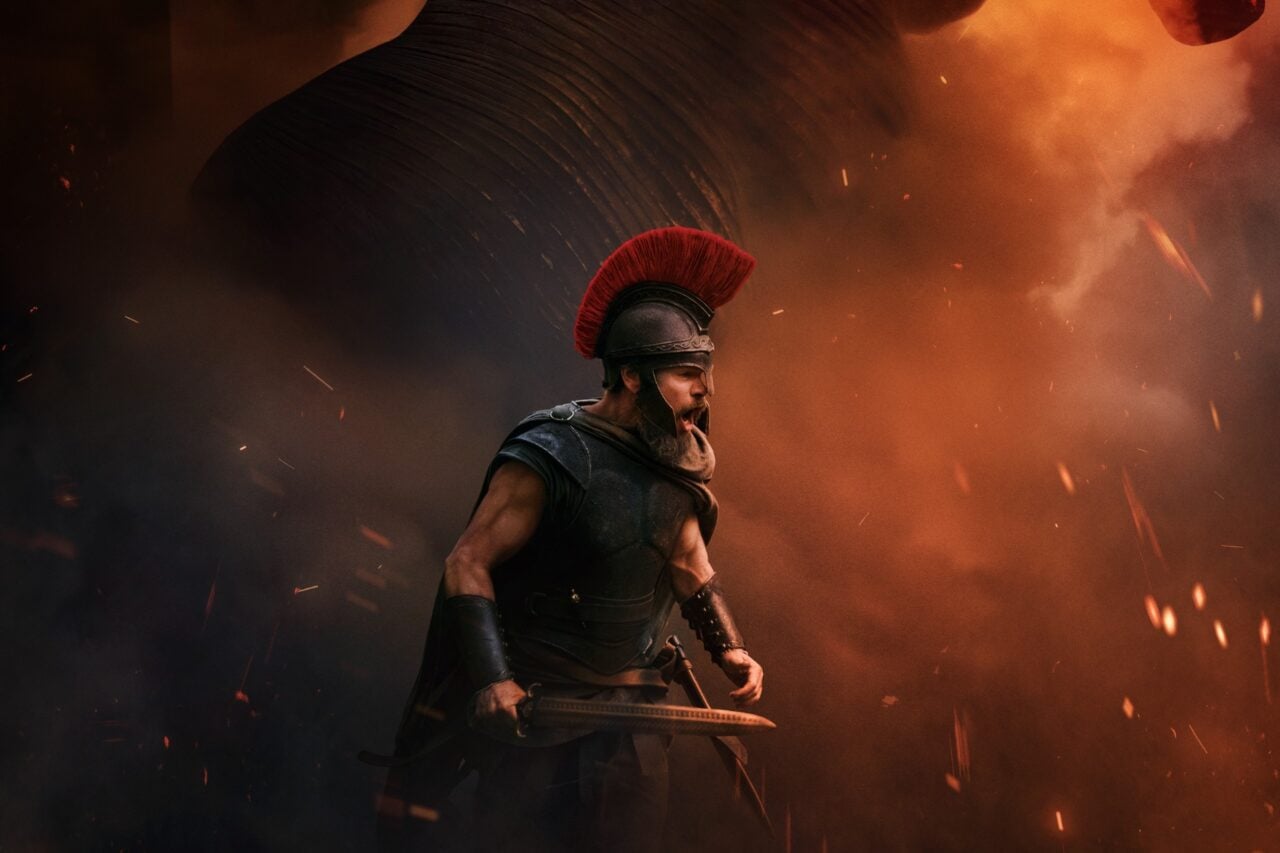
io9: And my last thing is you recently signed on to do a Texas Chainsaw movie. You talked about the movies that inspire you, so what gives you the confidence to be like, “Yes, I think, yeah, I think I can bring something new to this.”
Barker: You know, it’s loving the original but also knowing that there is something left to be shown with that family and with the series in general. I mean, I actually think there’s a lot to be explored that they haven’t dived into. So I’m really excited about it. But mostly it’s kind of isolating myself and trying not to think too much about that pressure because that’s the killer of creativity, is really like people putting pressure on you. So you’ve got to kind of throw it away, honestly.
Don’t throw away your shot to see Barker’s new movie, Obsession, in theaters May 15.
Want more io9 news? Check out the best movies and TV shows to stream this month and all the upcoming sci-fi, fantasy, and horror books that should be on your radar.