News of the test lifted Virgin Galactic's stock value by over 13%, but it's still not clear when tourist flights to space will resume.
SpaceX says Starlink was never meant to be ‘weaponized,’ but the company's terms of service had to be altered to make this policy evident.
The SLS liftoff from Kennedy Space Center in November exceeded pre-launch noise models by more than 20 decibels, new research found.
The launch of an uncrewed replacement Soyuz capsule to the ISS will have to wait, as investigators sort out the cause of a second coolant leak.
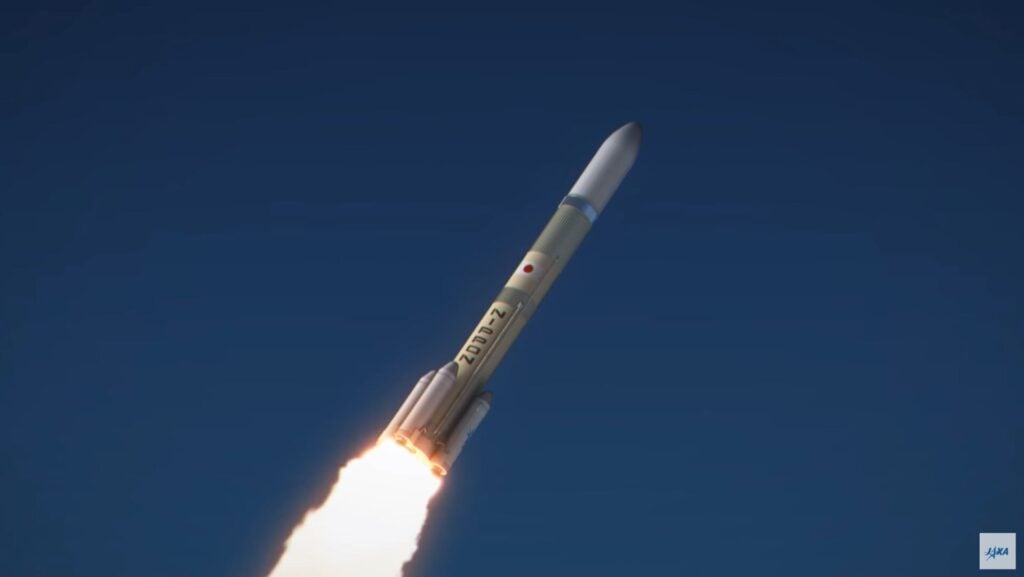
Ten years in the making, Japan’s H3 rocket is finally ready to fly, with its inaugural launch scheduled for Thursday, February 16.
Axiom Space announced an agreement with Saudi Arabia this past September to fly astronauts to the International Space Station.
A Russian cargo ship experienced a radiator leak on Saturday, in an incident that bears an uncanny resemblance to the Soyuz MS-22 leak in December.
It’s also a big week for Japan, as the country’s space agency is set to launch its much-delayed H3 medium-lift rocket.
The diminutive launch vehicle failed during its inaugural flight last year, but India is now celebrating a successful mission after the rocket's second flight.
SpaceX achieved a major milestone in its Starship program with a full static fire test, setting the stage for an orbital flight.
The space agency is hitching a ride aboard Blue Origin's New Glenn rocket, which has yet to take flight.
The conditional approval will require the Project Kuiper team to report launches on a semi-annual basis and retire satellites after seven years.
Ongoing glitches aren't preventing the indefatigable probe from laying important groundwork for future lunar missions.
Ongoing thruster problems have forced a major re-think of NASA's Lunar Flashlight mission, with a monthly orbit now planned for the cubesat.
All but two of the rocket's 33 Raptor engines were engaged during the critical test, which SpaceX CEO Elon Musk says is still enough for an orbital launch.
The company's CEO says a filter likely became dislodged within the rocket's second stage, leading to the crash.
The U.S. Space Force is tracking 85 fragments associated with the unexplained breakup event.
The sudden change in geography should result in a slight delay to the mission, but it'll allow NASA to explore the region ahead of its crewed Artemis missions.
The Elon Musk-led company continues to launch rockets at a breakneck pace, with 16 flights of Falcon 9 in the past nine weeks alone.
SpaceX replaced some Raptor engines last week in preparation for a Starship static fire engine test that could happen this week.