SpaceX CEO Elon Musk says the next-gen satellites are "experiencing some issues" and that some units might have to be destroyed.
President Biden's 2024 budget request pulled a chunk of funding from NASA's VERITAS mission, save for $1.5 million to help sustain the science team.
Engineers at NASA's assembly facility have fully integrated all five major structures of the Space Launch System's core stage.
Under its tactically responsive space initiative, Space Force wants the capacity to launch satellites to orbit with just 24 hours notice.
The stage is now set for Hakuto-R to attempt a lunar landing in April and enter into the history books as the first private mission to accomplish the feat.
Relativity Space’s third attempt to launch its methane-fueled 3D-printed rocket is among the many things we’ll be focusing on this week.
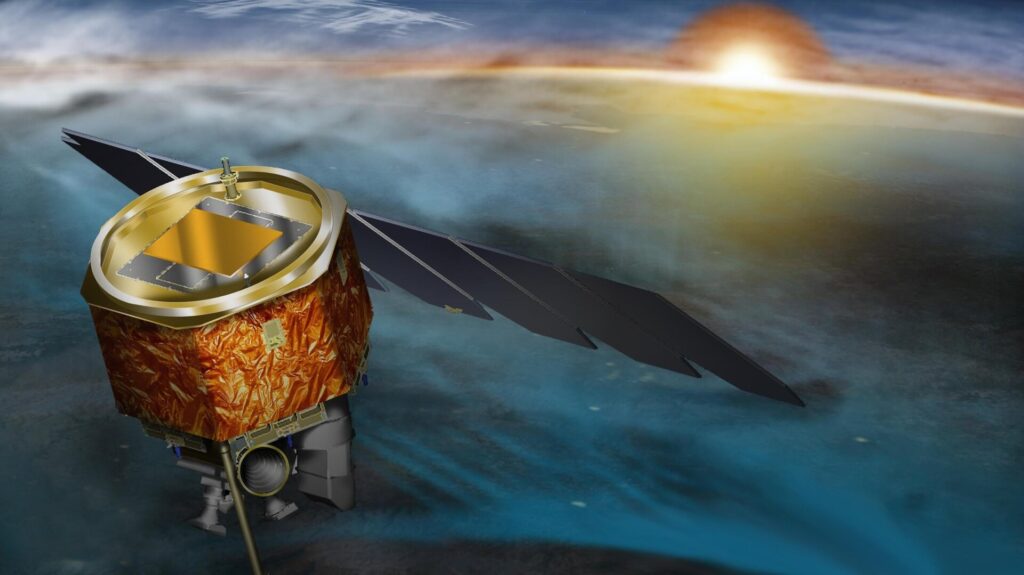
NASA's AIM mission spent 15 years studying the mesosphere before calling it quits due to battery issues.
The first rocket will carry 52 Starlink satellites, while the second Falcon 9 rocket will deliver a batch of telecommunication satellites.
The 22-year-old Mars Odyssey recently showed signs of missing fuel, sparking an interplanetary mystery that required some clever scientific sleuthing.
Earth's "evil twin" turned out to be very different from our own planet.
A failed space launch in January sent the Richard Branson-founded company into financial disarray, with Virgin Orbit now announcing a week-long pause.
NASA hasn’t chosen the exact spot where Artemis astronauts will land later this decade, but a new image showcases a candidate location in gorgeous detail.
Under the $112 million contract, Firefly will attempt to place a lander on the Moon's far side and deploy a European satellite.
The private company's Falcon 9 rocket lifted off from Kennedy Space Center on Tuesday at 8:30 p.m. ET.
Amazon unveiled three different sizes for its Project Kupier customer terminals, covering everyone from single users to massive enterprises.
From tiny portable launch vehicles to gigantic reusable megarockets, the future of rocketry looks exceptionally bright.
The Biden administration wants $27.2 billion for NASA’s 2024 budget, with the space agency prioritizing Moon and Mars missions.
Japan's Pale Blue water-based propulsion system successfully completed its initial test on board the nanosatellite.
The data acquired during their journey will inform the design of protective measures for future long duration spaceflight missions.
The crew will include three NASA astronauts and one Canadian astronaut for the first crewed mission to the Moon since Apollo.