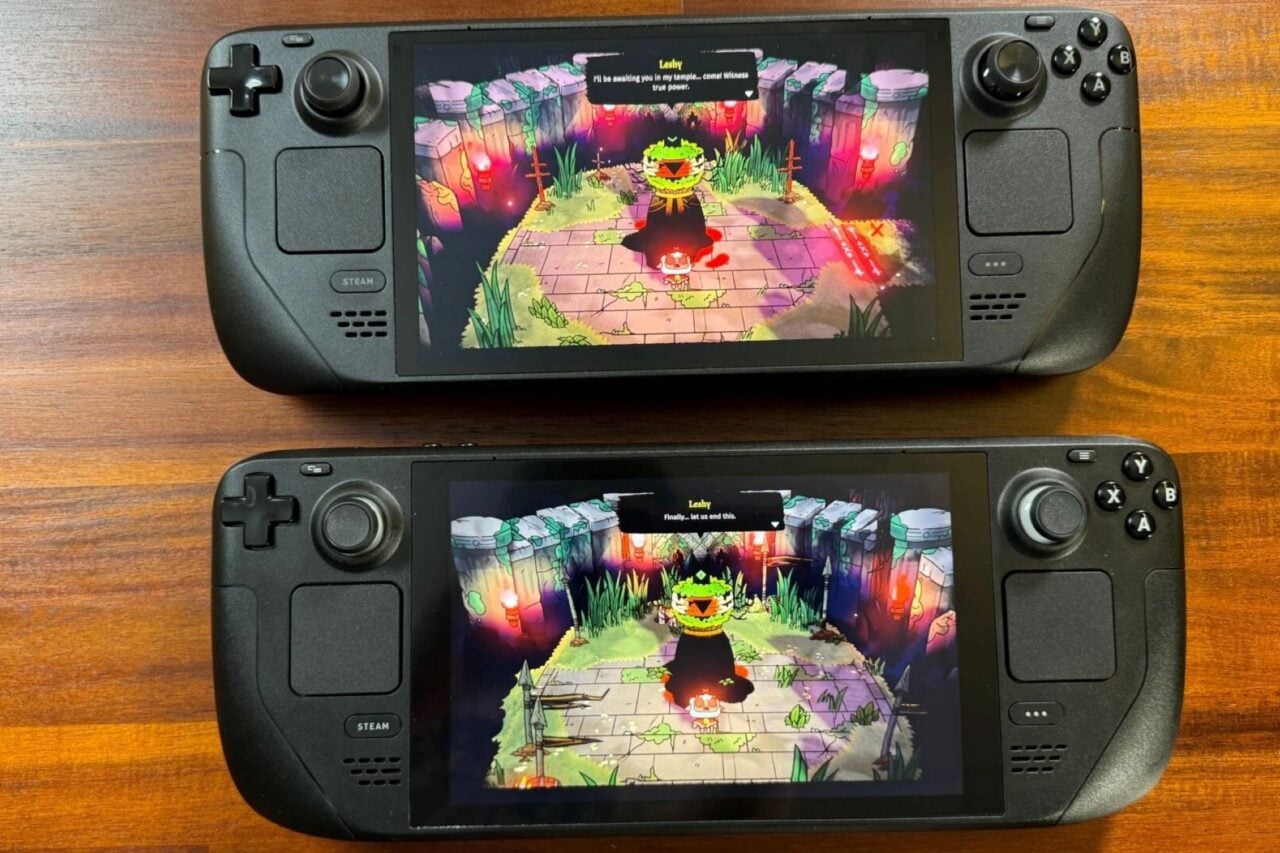
Valve’s gaming hardware is expensive, and—thanks to the ongoing RAM apocalypse—it’s getting more costly over time. You, dear reader, are probably asking yourself whether the $1,050 Steam Machine or $790 Steam Deck is worth it. The thing is, even Valve knows you don’t actually need to buy Valve’s handheld or PC/console hybrid. That’s not the reason they exist.
Linux gaming blog Boiling Steam published two reports in the past week offering some analysis of Valve’s hardware sales data. First up, the blog used “napkin math” to decipher that Valve may be selling between 12,000 and 15,000 Steam Machines per week since launch on June 22. The majority of those sales should account for the cheaper $1,050 512GB Steam Machine compared to the $1,350 2TB version. Remember, you can’t actually buy one right now. You have to sign up for a waitlist and then pray your name gets called up to make a purchase. Limited supply will inevitably hamper long-term sales.
Valve’s console is suffering from a limited supply that will necessarily hamper sales going forward. It’s worse news for the Steam Deck OLED. Since Valve raised prices on its handheld, the Deck dropped from the top 10 selling items on Steam. Boiling Steam estimates that Valve’s handheld sales have dropped by 80% since Valve hiked handheld prices back in May. That would indeed be a huge drop, if true. Valve staff obviously doesn’t like how high prices have become. However, these devices were never going to sell as well as other consoles.
Analyst firm IDC and The Verge previously reported that Valve had shipped around 6 million Steam Decks from 2022 to the first months of 2025. Even when the Steam Deck was sitting pretty as the most-sold gaming handheld PC around, Sony was busy selling around 7.1 million and 6.3 million PlayStation 5 consoles in the third and second quarters of 2022 alone.

Even if Valve’s sales data looks dire, you have to understand why these devices exist in the first place. Valve wants to push Steam onto as many platforms as possible. Rhys Elliot, the market analysis head at research firm Alinea Analytics, reported late last year that Valve ranked in a tidy $16.2 billion in revenue last year, thanks to the 30% cut on all games sold on Steam plus its own products on the platform. The company itself is a slim operation of approximately 350 full-time employees.
Valve reps have said in interview after interview that they just want to expand PC gaming. What that really means is that Valve wants to expand access to Steam. That’s why it promoted the Lenovo Legion Go S handheld in 2025 that ran SteamOS (that device now costs $860 compared to its $600 launch price). In 2026, along with the Steam Machine, Valve launched a new version of SteamOS compatible with any PC running AMD hardware.
Despite the ballooning price of practically all PC hardware, the main draw with both the Steam Deck and the Steam Machine is the console-like ease with which players can quickly get into their games, sleep the devices to pause their play, and manage their humongous Steam library with a controller-centric interface.
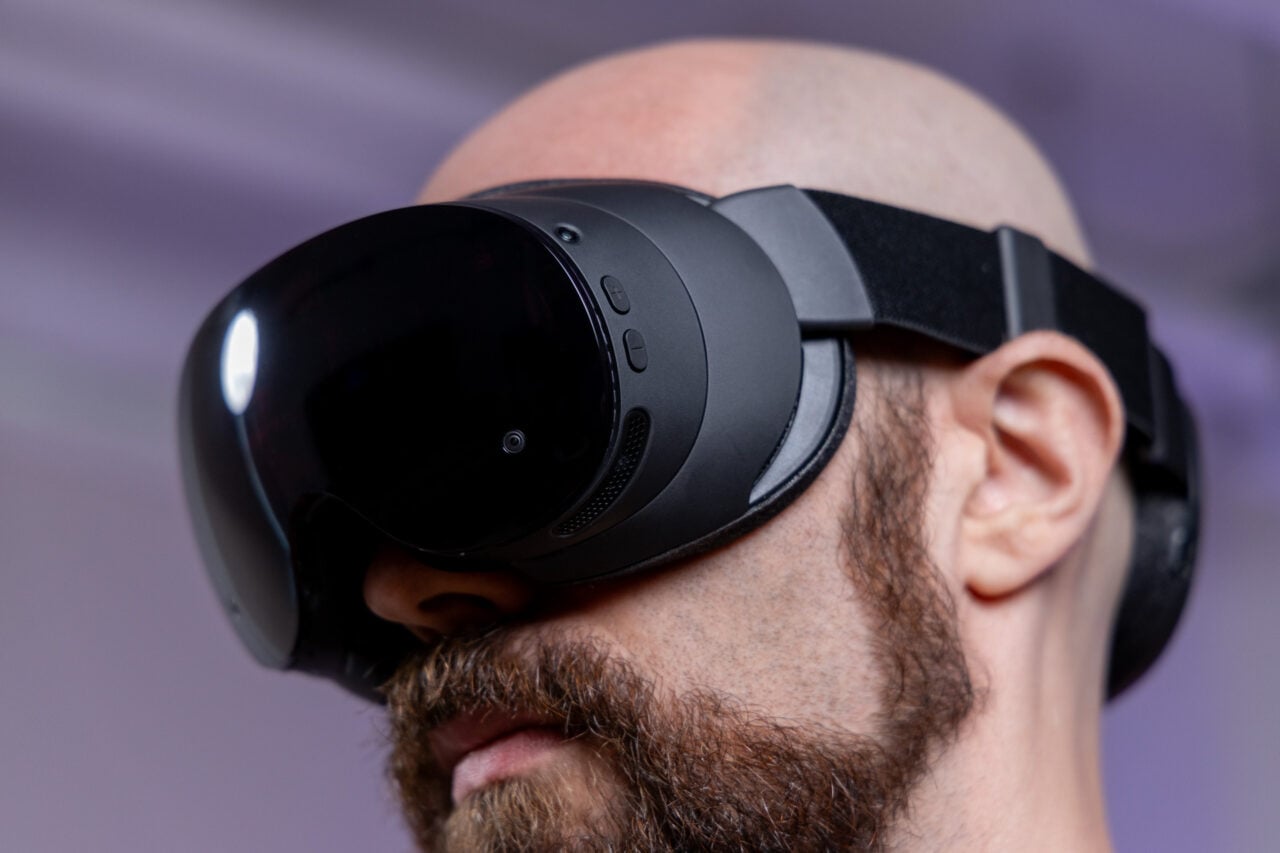
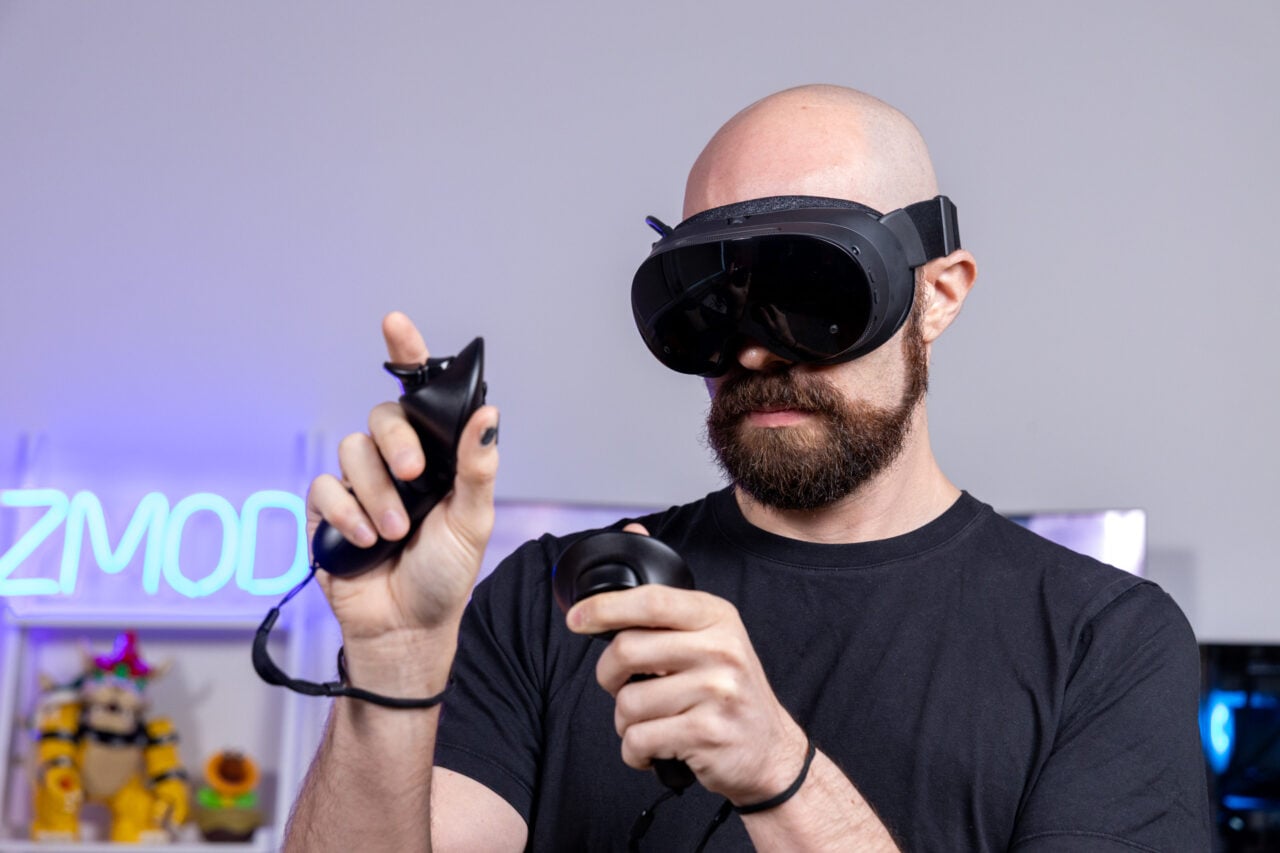
After the Steam Controller and Steam Machine, Valve has one final piece of gear to launch in 2026, the Steam Frame VR headset. We still don’t know how much it will cost, but it could be the most interesting—though niche—piece of gear of the whole bunch. As for the black box of a console, you can simply use an existing desktop as your Steam Machine. I managed to dual boot SteamOS on my home PC alongside Windows 11 (using two separate drives). This setup means I’m in no rush to buy a less-powerful Steam Machine. I’m pretty sure Valve’s more than fine with that, so long as I keep buying games on Steam.