Antivirus software and VPNs get shelved together as security tools, which is where the confusion starts. They solve different problems. One cleans threats off your device. The other stops outsiders from watching what you do online. Do you need an antivirus? Yes. Do you need a VPN? Also yes.
Running only one covers half the problem, like locking the front door and leaving a window open. Here’s what each tool actually does, where the 2 overlap in 2026, and how to tell whether your current setup has a hole.
Decoding Antivirus Software
Antivirus software has protected devices for decades. It scans files, apps, and system processes to find and remove anything harmful, and it acts on threats that have already reached your machine. The mechanism is straightforward. The software watches your system and checks files against a database of known threats.
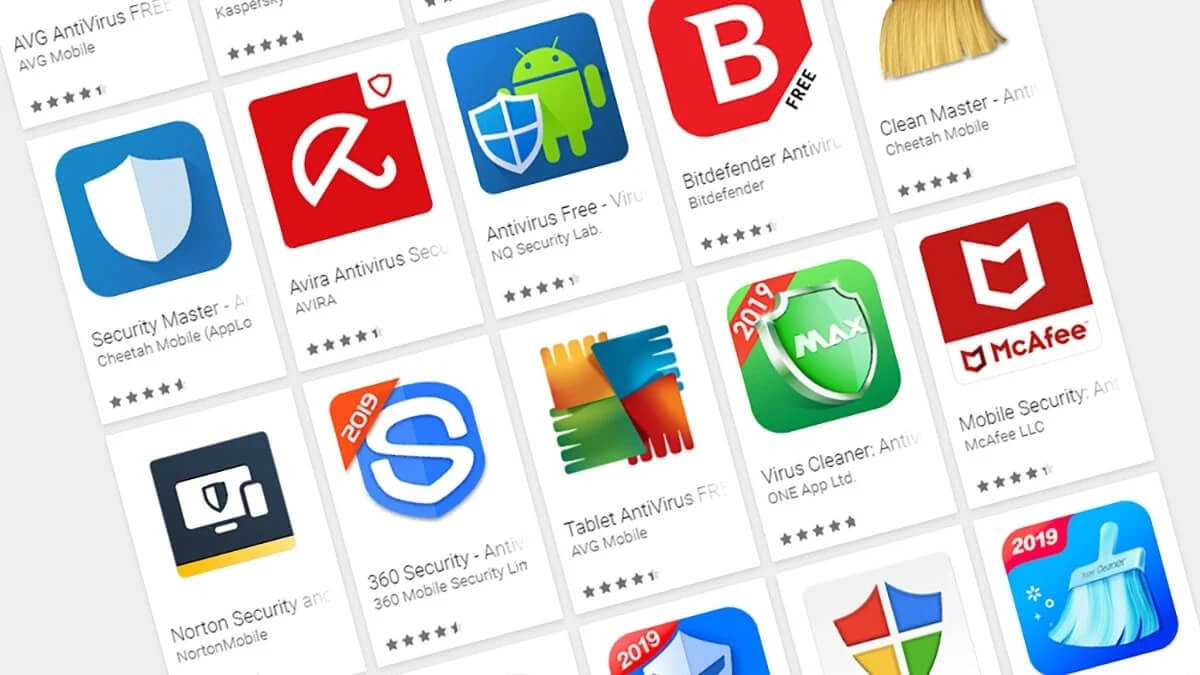
Anything suspicious gets quarantined or deleted before it executes. Better products add behavioral analysis, flagging programs that act like malware even when no signature matches. Modern suites go past basic scanning. Most include real-time detection, anti-phishing filters, and a firewall.
Some bundle a VPN, though those bundled tunnels usually cap data, restrict server choice, or skip modern protocols. The limitation is scope. Antivirus software protects the device, not the connection. On public Wi-Fi, or against an ISP logging your browsing, it does nothing. That’s the job a VPN handles.
Unpacking VPNs
A Virtual Private Network exists for privacy. Everything you do online passes through your internet provider, and plenty of that activity reaches advertisers and analytics firms as well. A VPN encrypts the connection and sends it through a remote server, so what leaves your device is unreadable to anyone in between. Stopping ISP tracking is the common reason people subscribe. Providers log activity and share it with third parties for advertising and, in some countries, for government access.

A VPN hides your IP address and encrypts your traffic, which removes that record at the source. For example, NordVPN’s no-logs policy has been audited by Deloitte 6 times, most recently in February 2026. VPNs also work around stubborn regional restrictions. Streaming catalogs and game servers vary by country, and switching VPN server location changes which version you see. NordVPN and Proton VPN handle Netflix, Prime Video, and BBC iPlayer without stuttering.
Both rank among the providers that keep Hulu working. Public Wi-Fi is the other clear case. Man-in-the-middle attacks on open networks target login credentials, and encryption makes intercepted traffic worthless. What a VPN doesn’t do is examine the files on your disk. Here are the VPNs we rated highest in 2026:



 9200 servers
 128 covered countries
 30 days money-back guarantee
 10 simultaneous connections
9.4 /10

20396 servers
148 covered countries
30 days money-back guarantee
10 simultaneous connections
9.2 /10

3000 servers
105 covered countries
30 days money-back guarantee
10 simultaneous connections
9.1 /10
Antivirus vs VPN: Spotting the Differences
Both belong to cybersecurity. They operate at different layers.
- What they protect. Antivirus works at the device level, scanning files and blocking malicious downloads. A VPN works at the network level, encrypting traffic so your ISP, a hacker on the same Wi-Fi, or a surveillance operation sees nothing.
- How they operate. Antivirus monitors your system continuously and removes what it finds. A VPN redirects your connection through a server and keeps your activity private.
- Threats they stop. Antivirus handles malware, ransomware, and phishing payloads. A VPN handles interception, tracking, and geographic blocks.
- Where each fails. Antivirus can’t protect data crossing an open network. A VPN can’t stop you from opening an infected attachment.
Neither replaces the other. A reliable antivirus paired with a VPN like NordVPN or Proton VPN covers threats on the device and on the connection.
Where Antivirus and VPNs Overlap
The categories have been converging. Antivirus suites now bundle VPNs, and VPN apps now block threats. The overlap is genuine, though it stops well short of either product replacing the other.
Antivirus With Built-In VPNs: Convenience or Limitation?
Security suites often include a VPN, and those tunnels tend to cap data, limit server choice, or omit modern protocols. Bypassing regional blocks is usually beyond them. Standalone providers like Proton VPN, NordVPN, and ExpressVPN give you the full network, unlimited data, and an audited no-logs policy.
VPNs With Security Features: How Far Do They Go?
This is where the old dividing line has moved. NordVPN’s Threat Protection Pro blocks malicious domains, strips ads and trackers, and scans downloads for malware before they reach your disk. That covers part of what an antivirus does, at the point where files arrive.
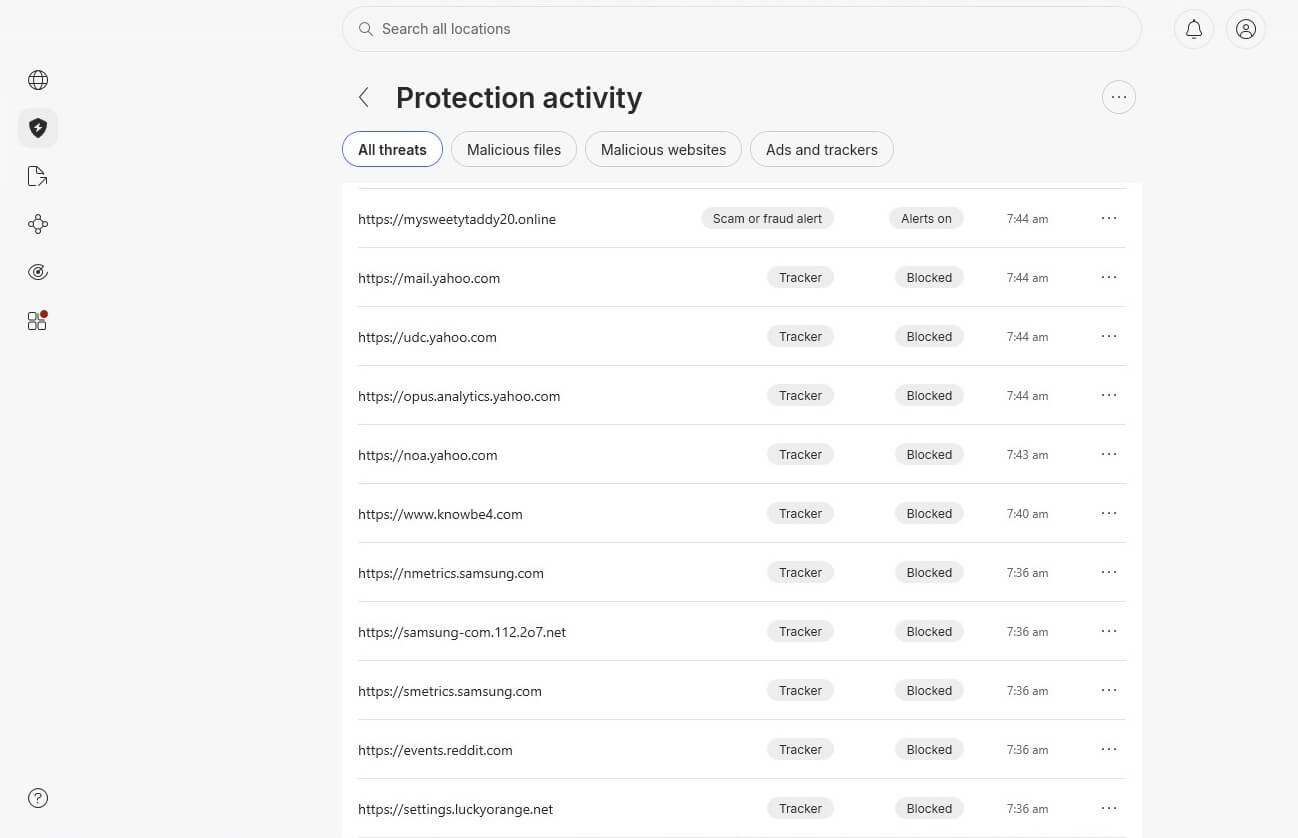
What it doesn’t do is inspect files already on your system, quarantine an active infection, or clean up something that got in before you subscribed. Threat Protection Pro guards the doorway. An antivirus works through the whole house.
Why You Still Need Both
The overlap adds protection without removing the need for either product. Download scanning helps. It doesn’t remediate an infected machine, and a VPN’s encryption doesn’t stop a malicious executable you launched yourself.
Do You Need Both? Building a Layered Setup
Each tool covers a different attack surface, and using one alone leaves the other exposed. Here is what I suggest.
When an Antivirus Alone Isn’t Enough
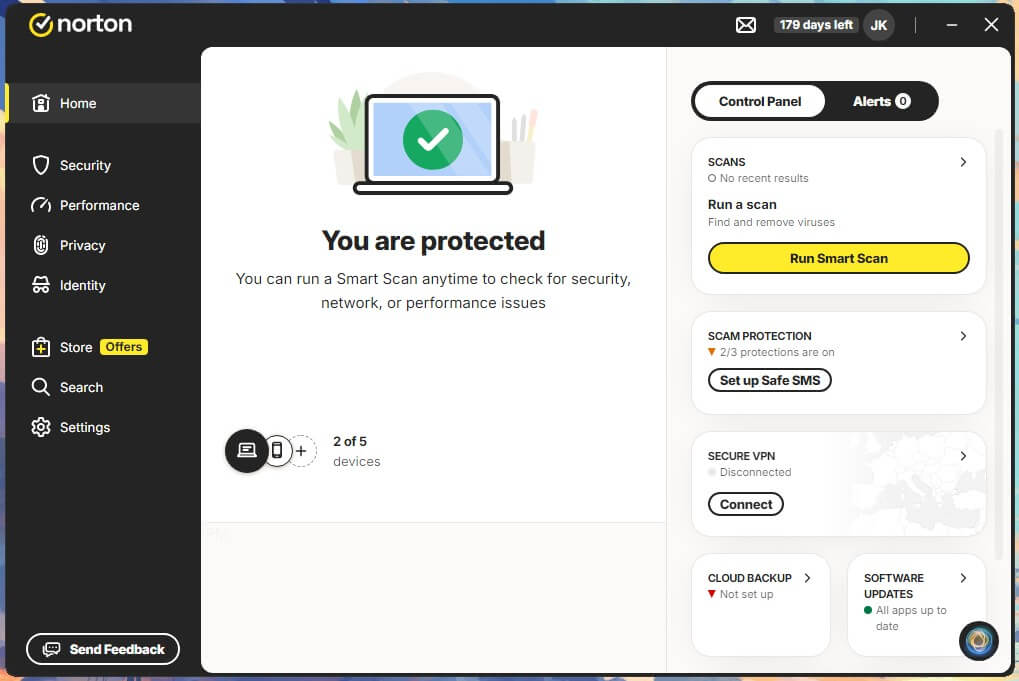
Antivirus software finds and removes malware. It doesn’t stop tracking, ISP logging, or interception on public Wi-Fi. Your information stays visible while browsing, however good the scanner is. Your provider records where you go, advertisers still build a profile, and anyone on an unsecured network can read unencrypted traffic.
Why a VPN Can’t Replace an Antivirus
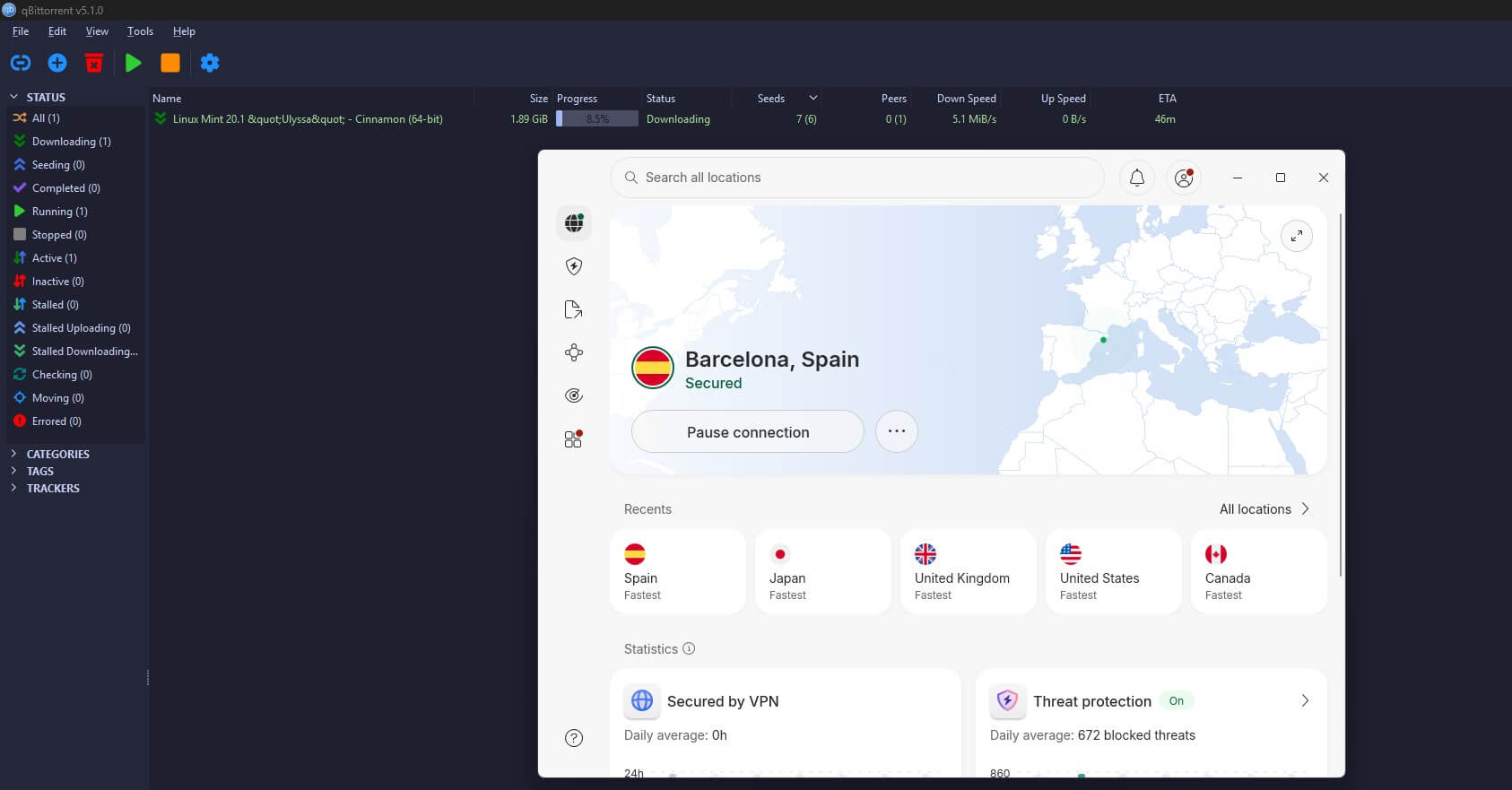
A VPN keeps your activity private. It doesn’t remove malware that reaches your device through a USB drive, an email attachment, a shared folder, or an app you installed yourself. Threat Protection Pro narrows that opening by scanning downloads. Full-disk scanning, quarantine, and cleanup belong to a dedicated antivirus.
The Best Approach: Layered Security
An antivirus with a premium VPN like NordVPN or Proton VPN covers both surfaces. Viruses, ransomware, and phishing get caught on the device; encryption and IP masking handle the connection.
How to Choose the Right Antivirus and VPN
Products in both categories vary widely. What fits depends on your budget, your devices, and how you use them.
What to Look for in an Antivirus
Detection rates matter more than feature lists. Here’s what to weigh:
- Independent test results from labs that publish detection scores
- System impact, since some scanners noticeably slow older machines
- Behavioral analysis, which catches threats no signature covers yet
- Update frequency, because signature databases go stale within days
- Ransomware-specific protection, including folder access controls
Our antivirus rankings break down which products scored highest in testing if you want a shortlist to start from.
What to Look for in a VPN
Privacy claims are easy to make and harder to verify. Check:
- Encryption and protocols, with WireGuard, NordLynx, or Lightway as the modern options
- An audited no-logs policy, not just a stated one
- Post-quantum encryption, now available from NordVPN, ExpressVPN, and PureVPN
- Network size, which affects congestion and country coverage
- Speed under load, for streaming and gaming
- A kill switch and leak protection, so a dropped tunnel doesn’t expose you
Some companies sell both together, and a few of those bundles are worth considering.
Finding the Right Balance
The antivirus handles your device; the VPN handles your connection. Combining them matters most if you work with sensitive data, connect to public networks, or want your browsing away from advertisers and your ISP.
Running an Antivirus and VPN Together
The 2 usually coexist without incident. Occasionally they interfere, since some antivirus programs flag VPN apps as suspicious or block their connections, and strict firewall rules can prevent a tunnel from establishing.
Common Compatibility Issues
- Blocked installation, when a scanner reads a VPN’s encryption or obfuscation as threat behavior
- Firewall interference, where strict rules stop the tunnel from connecting
- Performance slowdowns on older or low-spec hardware running both at once
- Conflicting features, since suites with their own VPN sometimes require third-party clients to be disabled
How to Keep Both Working
- Whitelist the VPN in your antivirus settings so it isn’t flagged
- Allow VPN traffic through the firewall if connections keep failing
- Pick a lighter scanner if your machine struggles with both running together
- Update both regularly, since most conflicts get patched quickly
Configured properly, the 2 coexist without any speed or usability cost.
Final Thoughts: Antivirus vs VPN
No single product covers everything. Antivirus software catches malware, ransomware, and phishing payloads, and leaves your ISP free to log every site you visit. A VPN encrypts your connection and won’t touch an infected file on your desktop. The sensible setup uses both: a capable antivirus for the device, a trusted VPN for the connection. That handles threats arriving through downloads and threats arriving through the network, which is most of what an ordinary user faces.
The overlap keeps growing. Threat Protection Pro scans downloads, security suites bundle tunnels, and the categories will keep borrowing from each other. Neither product has absorbed the other yet, and choosing one still means accepting a hole where the other one works.
Get Full Protection With NordVPN
Antivirus vs VPN: FAQs
🔀 Do I need both an antivirus and a VPN?
Yes. An antivirus removes malware from a device, while a VPN encrypts the connection to prevent tracking and interception. The 2 protect different layers, and neither substitutes for the other.
👾 Does a VPN protect me from malware?
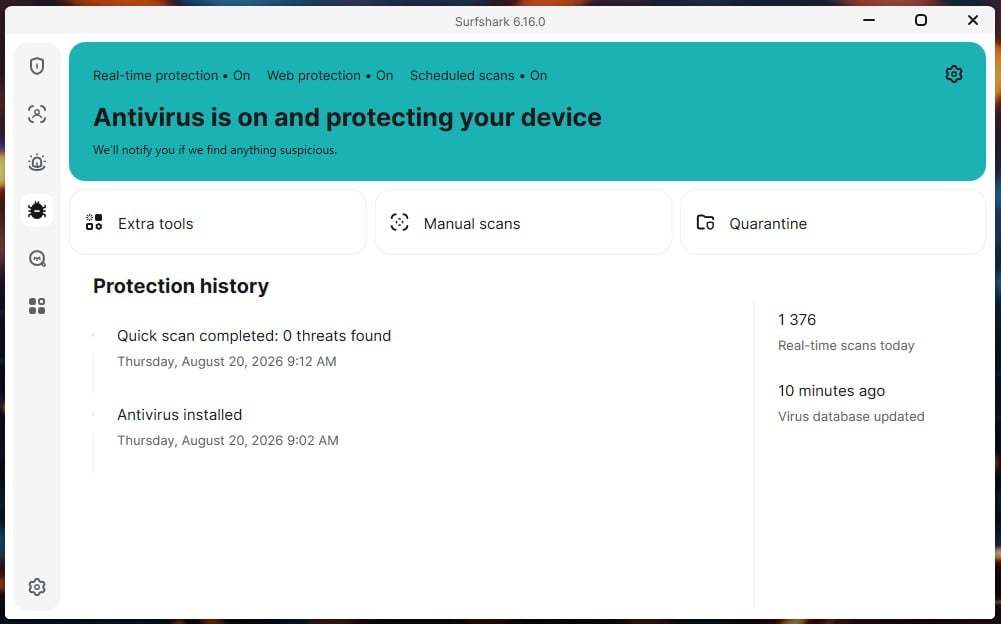
Yes, partly. A VPN encrypts traffic so hackers and ISPs can't monitor activity, but it doesn't scan a hard drive or remove an existing infection. Some VPNs, including NordVPN with Threat Protection Pro, block malicious domains and scan downloads as they arrive. Full-disk scanning and remediation still require antivirus software. Surfshark offers it alongside its VPN in some plans.
🆓 Can I use a free antivirus and a free VPN together?
It's a poor combination. Free antivirus products typically lack behavioral detection and ransomware controls, while free VPN services often log activity, throttle speeds, and use weak encryption. Paid versions of both cost less than the average streaming service subscription plan.
🐌 Will running an antivirus and a VPN slow down my computer?
No, usually not. Well-built antivirus software runs quietly in the background, and a modern VPN protocol costs only a small percentage of connection speed. Heavy slowdowns point to resource-heavy security software or aging hardware.
🎯 Which should I install first, antivirus or VPN?
The antivirus. Installing it first means the device gets scanned and cleaned before a VPN starts encrypting traffic, and it also reduces the chance of the scanner flagging the VPN client during installation.