Almost every paid VPN advertises a no-log policy, so the label alone tells you very little. The difference shows up in the privacy policy itself: how long the VPN keeps connection data, what it stores for billing, and whether an auditor, a court, or a police raid has ever tested the promise.
Those details vary widely. Some VPNs delete session data within minutes. One stores a state and zip code for sales tax, and another had a server seized without investigators finding any activity data. We read the privacy policies of five no-log VPNs and compared them with each company’s audit and legal record.
Top 5 No-Log VPNs for 2026
- NordVPN: Best Overall, with the longest audit record
- Proton VPN: Best for Anonymity, on servers it mostly owns
- ExpressVPN: Best for Seizure-Tested Privacy, with nothing found on a raided server
- Private Internet Access: Best Court-Tested VPN, with no usable data for subpoenas
- Surfshark: Best for Rotating IP Addresses, with session data deleted within minutes
No-Log VPN Policies Compared
Every entry in this table comes from the VPN’s current privacy policy or its published audit and transparency records:
| VPN | Based in | Connection data kept | Server storage | Latest no-log audit | Tested outside an audit |
|---|---|---|---|---|---|
| NordVPN | Panama | Last-session data, deleted within 15 minutes; whether you used the VPN in the past 90 days | RAM only | Deloitte, December 2025 | Panamanian warrant, 2024 |
| Proton VPN | Switzerland | None | Full-disk encryption | Securitum, yearly since 2022 | Legal orders in its transparency report |
| ExpressVPN | British Virgin Islands | Connection date (no time), server location, and total data used | RAM only | KPMG, 2025 | Server seizure in Turkey, 2017 |
| PIA | United States | None | RAM only | Deloitte, 2025 | US federal subpoenas |
| Surfshark | Netherlands | User ID, IP address, and timestamps, deleted 15 minutes after a session | RAM only | Deloitte, 2025 | No public case |
Best VPNs That Don’t Keep Logs
1. NordVPN: Best No-Log VPN Overall
Pros
- Independently audited six times
- Based in a country with no data retention law
- Nothing written to a hard drive
- Publishes a warrant canary
- Accepts cryptocurrency
Cons
- Price increases at renewal
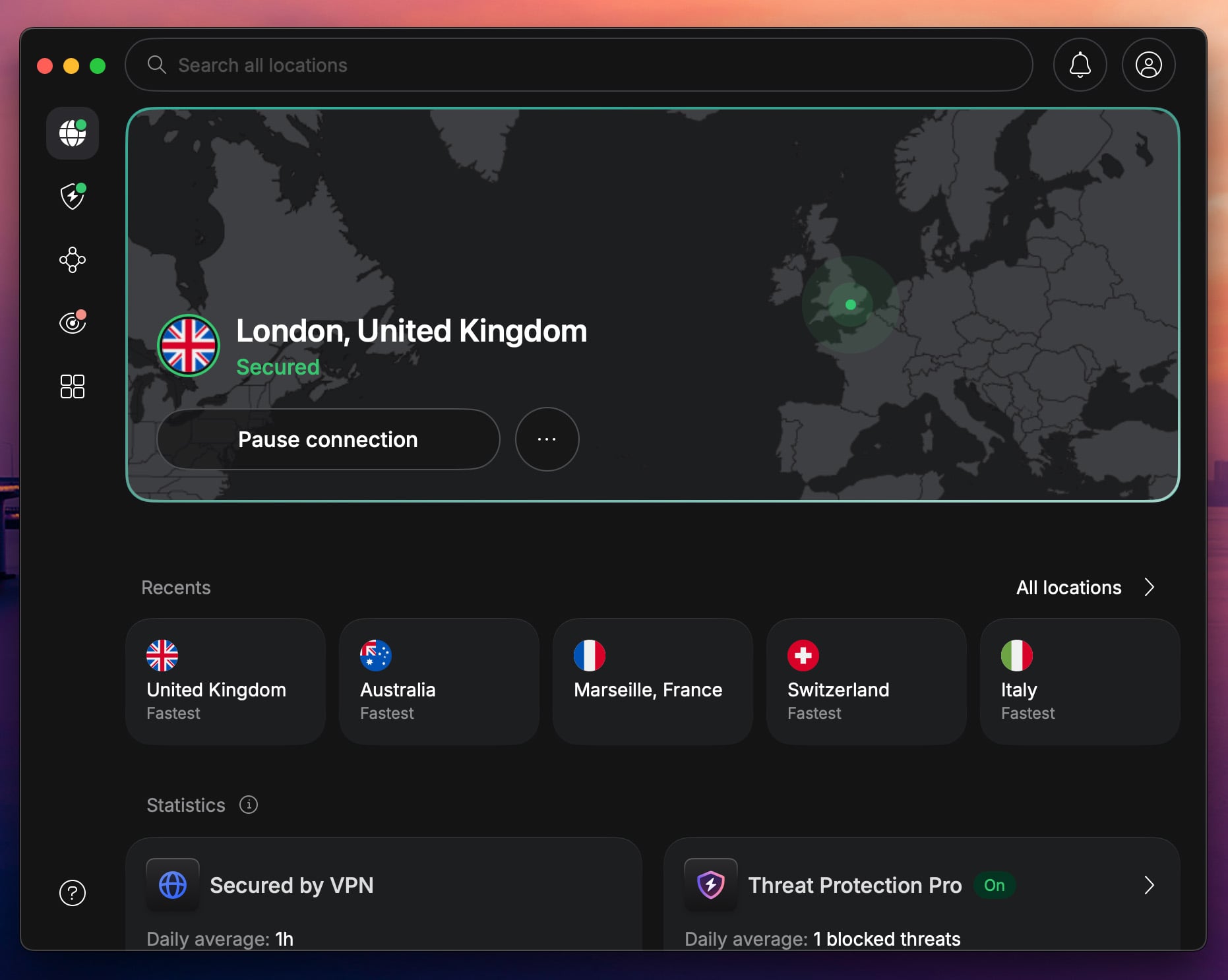
NordVPN keeps your email address and payment details, plus two pieces of service data. Last-session information enforces the ten-device limit and is deleted within 15 minutes after you disconnect, and NordVPN also records whether your account used the VPN in the past 90 days to prevent abuse and dispute unfair chargebacks.
Its policy excludes browsing information, traffic logs, IP addresses, and bandwidth use. On top of that, its servers are RAM-only, and Panamanian law doesn’t require VPN companies to retain data. NordVPN’s audit record is the longest of the five.
Its first two audits came from PwC Switzerland, in 2018 and 2020, and Deloitte has completed four since, the latest issued in December 2025. NordVPN also publishes transparency reports and a warrant canary, and it disclosed a binding warrant from Panamanian authorities in October 2024.
For most people, we’d recommend NordVPN because no other VPN we tested has had its policy reviewed as often. Beyond the policy, Double VPN sends your traffic through two servers, and Onion Over VPN connects you to the Tor network without a separate browser.
Two optional features do link data to you: Smart DNS requires NordVPN to store your IP address, and a dedicated IP address is tied to your account. The Basic plan costs about $3.50 a month on a two-year term. The price increases at renewal, so committing to two years locks in the low rate for the longest.
2. Proton VPN: Best Anonymous VPN
Pros
- Owns most of its servers
- No session data recorded
- Sign up with only an email address
- Accepts Bitcoin
- Open-source apps
Cons
- No post-quantum encryption
- Servers keep data on encrypted drives instead of RAM
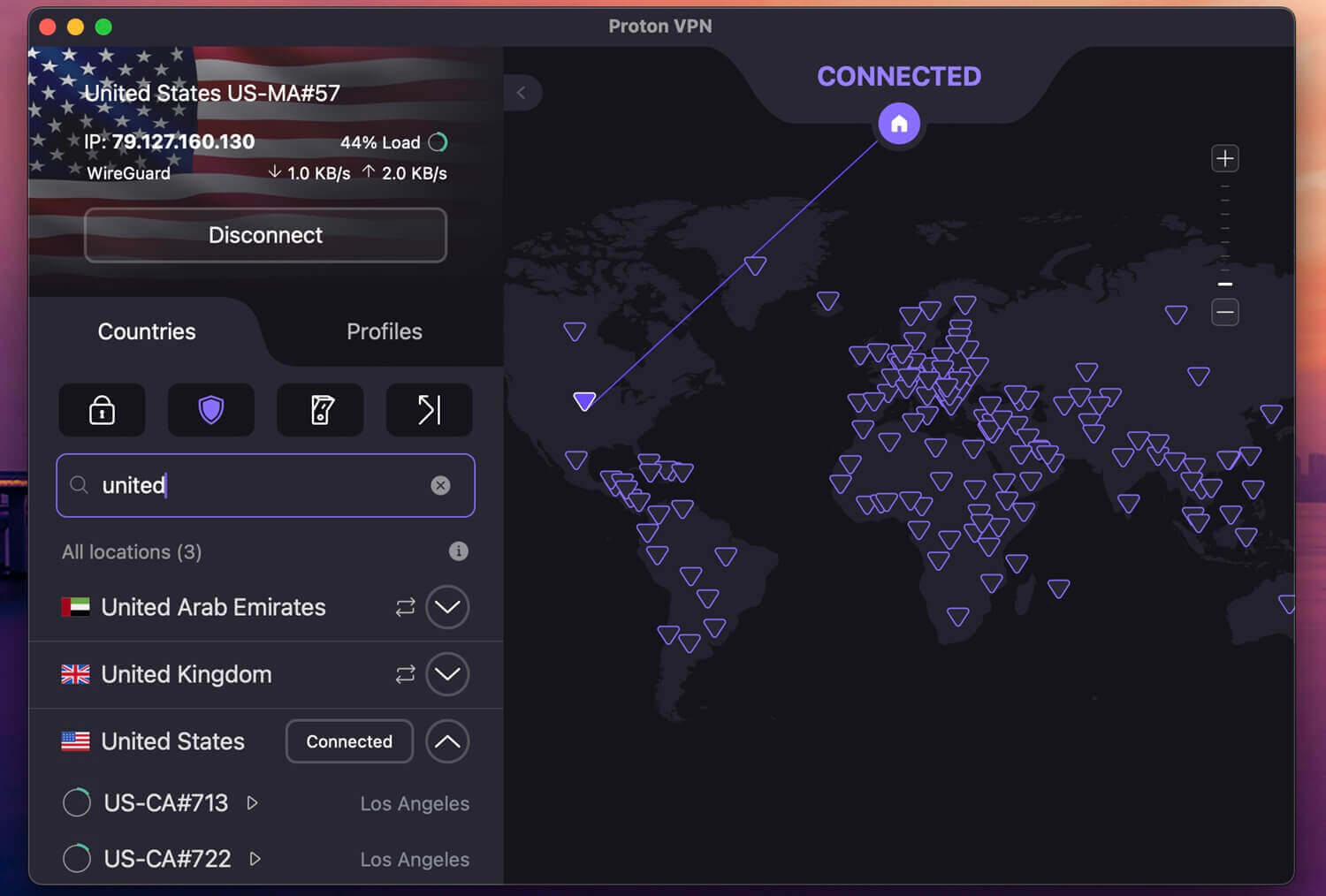
Proton VPN keeps its policy brief. It records no VPN session data, traffic, or communication content, and account data is stored encrypted on servers Proton VPN operates in Switzerland, Germany, or Norway. In addition, Proton VPN physically owns its Secure Core servers and most of its Swiss and German servers.
That leaves no third-party data center to trust for that part of the network. Its sign-up is the most private too. An email address is all it requires, and that can be a Proton Mail address, while Bitcoin payment keeps your bank out of the record.
Securitum has audited the no-log policy every year since 2022, the apps are open source, and Proton VPN publishes a transparency report with its warrant canary. On the other hand, its servers use full-disk encryption instead of RAM-only storage, so if you’d prefer servers that wipe at every restart, NordVPN and ExpressVPN use them.
Proton VPN also lacks post-quantum encryption, so if you want protection against future quantum decryption, NordVPN has it. The VPN Plus plan costs about $3 a month on the two-year plan.
3. ExpressVPN: Best for Seizure-Tested Privacy
Pros
- No connection data recorded
- Servers wiped at every restart
- Policy proven by a server seizure
- Post-quantum protection
- Simple apps
Cons
- Fewer protocol settings to adjust
- Higher price after the first term
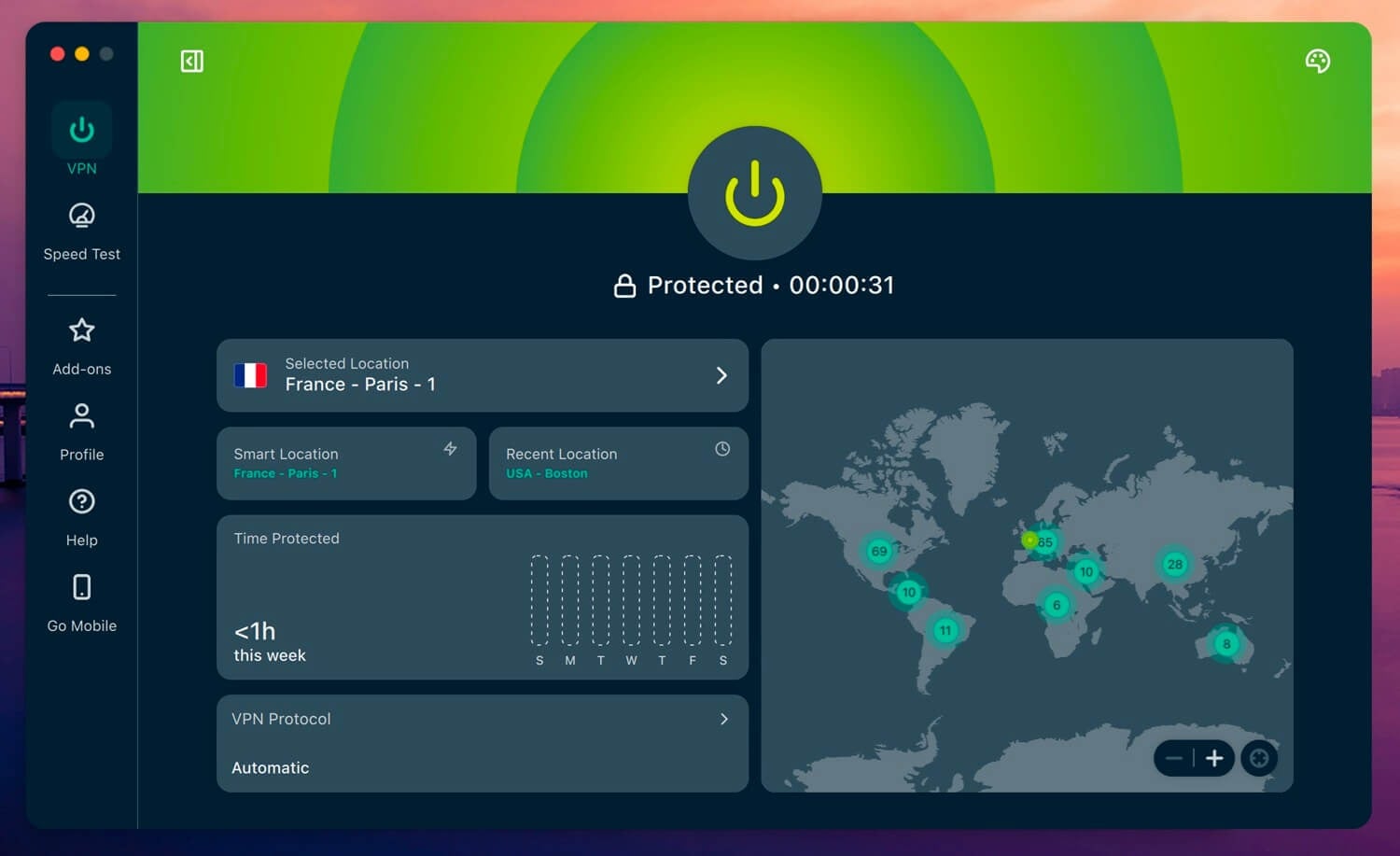
ExpressVPN’s policy rules out connection logs: no source IP address, outgoing VPN IP address, connection timestamp, or session length. It also excludes browsing history, traffic destinations, data content, and DNS queries.
It does keep a usage summary: the day you connected (not the time), the server location, your country and ISP, and the total data you transferred. That summary overlaps with thousands of other users who connected to the same location that day, so it can’t single you out.
TrustedServer, its server technology, stores nothing on hard drives and reinstalls each server from scratch on a regular schedule. ExpressVPN’s strongest evidence came from outside the company. In 2017, Turkish investigators seized one of its servers and found no activity data on it.
KPMG has since assessed TrustedServer and found no personal data written to or exported from a server. PwC and Cure53 have examined the policy and apps as well. Kape Technologies owns ExpressVPN, and each of its VPN brands commissions its own independent audits.
Its dedicated IP add-on uses zero-knowledge encryption, so the IP address isn’t linked to your account. On the other hand, ExpressVPN offers fewer manual protocol settings than NordVPN or PIA, so PIA is the better fit if you like configuring the connection yourself. The Basic plan costs about $3 a month over 28 months.
4. Private Internet Access: Best Court-Tested VPN
Pros
- No-log policy proven in court
- Open-source apps
- Crypto payment keeps your location private
- Unlimited devices
- Low long-term price
Cons
- Based in the US
- Settings take time to learn
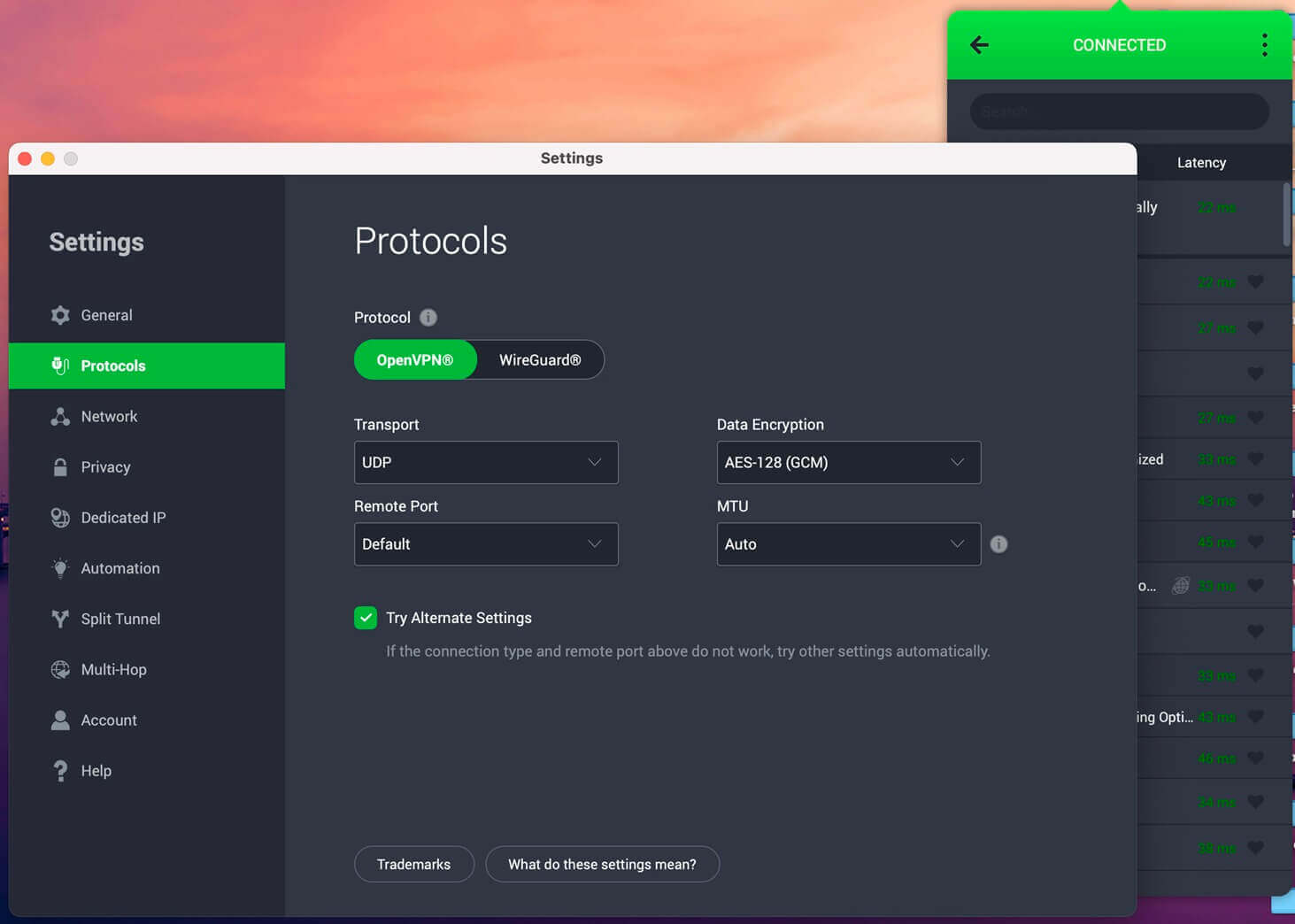
Private Internet Access collects an email address, payment details, and, for US customers, a state and zip code for sales tax. If you pay in cryptocurrency, PIA covers the tax itself, so it never learns where you live.
The policy excludes browsing history, connection content, user IP addresses, connection timestamps, bandwidth logs, and DNS queries, and its servers are RAM-only. PIA’s US base is the obvious concern, since US authorities can issue subpoenas and gag orders.
Even so, PIA has answered valid subpoenas in federal cases with no usable data, since it had none stored. Deloitte has audited the policy, the apps are open source, and PIA publishes transparency reports. If you’d still rather avoid US jurisdiction, NordVPN and Proton VPN are based outside it.
PIA costs about $2 a month on its longest plan, and one subscription covers every device you own. Its apps offer more settings than most, so beginners should expect a short learning period before changing the defaults.
5. Surfshark: Best for Rotating IP Addresses
Pros
- Session data deleted within minutes
- Rotating IP addresses
- Masked email on every plan
- Blocks ads and trackers
- Personal data never sold
Cons
- No public legal test
- Based in a Nine Eyes country
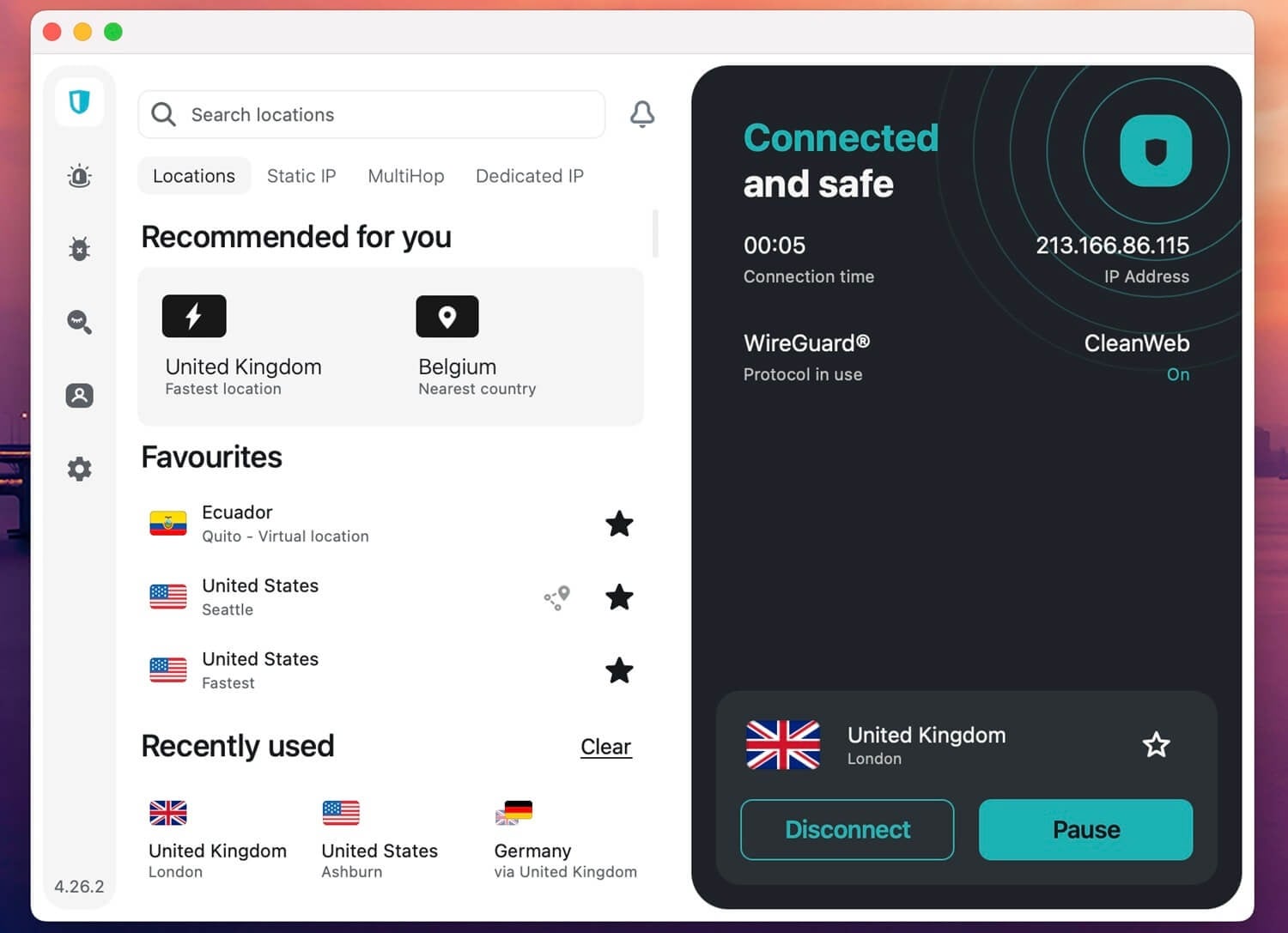
Surfshark’s policy is the most specific about timing. Your user ID, IP address, and connection timestamps exist only during your session and are deleted 15 minutes after you disconnect. It doesn’t collect the sites you visit, other session details, or bandwidth use, and it never sells, rents, or trades personal data.
The company operates from Amsterdam, and Dutch law doesn’t oblige VPN companies to store or report user data. However, the Netherlands belongs to the Nine Eyes intelligence-sharing alliance. Deloitte audited the no-log policy in 2023 and again in 2025, and Cure53 has tested the service.
What Surfshark lacks is a test from outside: no seizure, subpoena, or published warrant has put the policy under pressure, so audits are the only proof for now.
For privacy day-to-day, Rotating IP changes your IP address every few minutes without disconnecting you. Alternative ID, included on every plan, creates a masked email address and persona for sign-ups. The Starter plan costs about $2.50 a month over two years.
How to Tell if a VPN Really Keeps No Logs
A no-log VPN still keeps some data. Every account requires an email address and payment details, and some VPNs keep short-lived connection data such as a timestamp.
It shouldn’t keep a usage log of the sites you visit or a connection log of your real IP address and session times. Either one can tie activity back to you. Four kinds of evidence show whether a VPN follows that rule:
- An independent audit. An accounting or security firm inspects servers, configurations, and internal processes, then publishes a report. Check the scope and date: an audit of the apps says nothing about the servers, and one from 2019 says little about today. Look for ISAE 3000, the international assurance standard ExpressVPN’s latest audit followed.
- A court case or a seizure. The company doesn’t choose the timing of a subpoena or a raid, so one that produces no data shows the policy under pressure.
- Server design. RAM-only servers lose everything when they restart, so nothing remains to recover. Full-disk encryption protects stored data instead.
- A warrant canary or transparency report. A warrant canary is a public statement that disappears if a VPN receives a secret government order, and a transparency report lists the requests it has received.
Jurisdiction adds context. A VPN based in a country with no data retention law, outside the Five, Nine, and 14 Eyes alliances, faces fewer legal ways to force logging. Even in those alliance countries, a strict no-log policy limits what any government can obtain.
Which No-Log VPN Is the Most Anonymous?
Proton VPN is the most anonymous of the five, because its account requires so little personal information and your traffic passes through servers it mostly owns.
NordVPN and PIA accept cryptocurrency too, so you can keep your bank details off the account with any of the three. Still, no VPN makes you fully anonymous.
A no-log policy means the VPN keeps no record of your activity, but websites can still identify you through logins, cookies, and browser fingerprinting. Staying anonymous online also means using a private browser and remaining signed out of accounts tied to your name.
A kill switch closes another leak. It cuts your internet if the VPN connection drops, so your real IP address isn’t exposed to the sites you have open. For the strictest anonymity, the Tor network adds layers a VPN doesn’t.
NordVPN and Proton VPN offer Tor over VPN servers. Pairing Tor with a no-log VPN is the usual way to access the dark web without your ISP seeing Tor traffic.
Is There a Free No-Log VPN?
Yes. Proton VPN’s free plan is covered by the same no-log policy as its paid plans, and it has no data cap. The trade-offs are practical: the app chooses your server, the plan covers one device, and it doesn’t support streaming or torrenting. It’s enough for browsing and messaging without a record.
Windscribe’s free plan is another option with outside evidence behind it. Packetlabs audited its servers, and a Greek court case showed Windscribe had no user logs to hand over. Its free plan is limited to 10 GB a month.
Beyond those two, treat other free VPNs with suspicion. Running servers costs money, and a free VPN without paying subscribers usually funds itself by collecting and selling your data. Our list of free VPNs we recommend is short for that reason.
Which VPNs Keep Logs?
Reading a privacy policy properly takes about ten minutes, and these four VPNs state their data collection plainly in their own:
- Hola VPN records browsing history, IP addresses, DNS requests, timestamps, location, and social media data.
- Urban VPN logs online activity, IP addresses, and the apps installed on your device.
- Betternet keeps timestamps, bandwidth figures, location, and traffic logs.
- Hotspot Shield stores connection logs, location, and mobile advertising identifiers, plus aggregate data on the apps and sites you use.
Conclusion
A no-log promise is only as strong as the outside evidence behind it, and NordVPN has the most, from repeated audits to a published warrant canary. If anonymity is your goal, Proton VPN is the stronger choice, since it collects the least about you and controls most of its own network.
ExpressVPN and PIA back their policies with real-world tests, and PIA costs the least. Surfshark’s policy is clear and recently audited, but until it faces a seizure or a subpoena, audits are its only proof.
FAQ About No-Log VPNs
Is a zero-log VPN the same as a no-log VPN?
Yes. Zero-log and no-log describe the same promise: the VPN keeps no record of browsing activity or identifying connection data. Either kind still stores basic account and payment details.
Does NordVPN keep logs?
No. NordVPN keeps no record of browsing activity, IP addresses, or traffic. It stores account details, brief last-session data deleted within minutes of disconnecting, and whether the account used the VPN recently.
Can a no-log VPN be forced to hand over data?
Yes, a court can order a no-log VPN to hand over data, but the VPN can share only what it stores. Without activity logs, that means account details at most.
Are VPN no-log audits reliable?
Yes, within their scope. An audit confirms that the servers and processes examined matched the policy at that point, so a recent audit covering the whole server network is the strongest evidence.
What data does a no-log VPN still collect?
A no-log VPN still collects an email address and payment details to run the account. Some also keep brief connection data, such as a session timestamp, which they delete within minutes.