Proxy vs VPN is one of those comparisons where the two sides look identical until you actually need them to protect you. Both reroute your traffic, both hide your IP address, and both promise privacy. What they deliver, however, differs enormously. That gap matters because every click, search, and stream leaves a trail that advertisers, hackers, and even governments are eager to follow.
Picking the wrong tool means thinking you’re covered when you’re not. This guide explains how proxies and VPNs work, where each one wins, and which one deserves your money, if either. By the end, the choice will be obvious.
Pros and Cons: Proxy vs VPN
| Proxy | VPN | |
| ✅ Pros |
|
|
| ❌ Cons |
|
|
Proxy vs VPN: Understanding Proxies
Proxies act as intermediaries between your device and the internet, routing your traffic through their servers so your connection appears to originate from the proxy’s IP address instead of your own. That’s the whole trick, and it’s important to understand that it’s the only trick.
Types of Proxies
- HTTP Proxy: Built for website traffic specifically. It handles basic geo-restriction bypassing well, but anything outside your browser passes it by, and nothing gets encrypted.
- SOCKS5 Proxy: The more flexible sibling, supporting gaming, streaming, and file-sharing traffic alongside browsing. Still no built-in encryption, so your data travels exposed.
- Transparent Proxy: The one you don’t choose. Offices, schools, and public networks deploy these to monitor and filter traffic, which means they work against your privacy rather than for it.
When Proxies Work Best
Proxies suit tasks where you need a different IP address, fast, and nothing more:
- Accessing geo-blocked websites: A proxy gets you past simple region restrictions on websites without installing anything.
- Managing multiple accounts: Businesses juggling several social media accounts assign a different IP to each, reducing the risk of detection and bans.
- Low-risk browsing: When nothing sensitive is in play, a proxy does the job with minimal setup and overhead.
Notice what’s missing from that list: anything involving passwords, payments, or personal data. Without encryption, your connection stays visible to hackers, ISPs, and trackers. A proxy changes where you appear to be, but a VPN is what actually protects what you do there.
Proxy vs VPN: Understanding VPN
A VPN, or Virtual Private Network, installs on your phone or computer like any other app, and it does two things a proxy can’t do at once: encrypt your internet connection and route your traffic through secure servers. Unlike proxies, which cover a single application, a VPN protects your entire device, so everything you do online stays private.
How VPNs Work
When you connect, your data is encrypted and sent through a secure tunnel to the VPN server. This hides your IP address and makes your activity unreadable to anyone trying to intercept it, whether that’s a hacker, your ISP, or an advertiser.
Key Features of VPNs
- Encryption: Advanced protocols like AES-256 scramble your data so intercepted traffic is useless to whoever grabs it.
- IP masking: Your real IP address is replaced with the server’s, so websites see the VPN’s location instead of yours.
- Wide accessibility: Access to geo-restricted content and censored services, which is why VPNs are the go-to for streaming and restricted regions.
When to Use a VPN
For anything involving privacy, security, or flexibility, a VPN is the superior choice:
- Protecting sensitive information: Online banking, shopping, or handling private data all benefit from encrypted traffic.
- Using public Wi-Fi: Networks in cafes, airports, and hotels are hunting grounds for hackers. A VPN keeps your data protected even on unsecured connections.
- Streaming geo-restricted content: VPNs unlock international libraries on platforms like Netflix and Hulu. You can even change your region on Steam to browse other storefronts.
- Bypassing censorship: In regions with strict internet regulations, a VPN helps you access blocked websites while keeping your traffic private.
For privacy-focused users, audited no-logs policies and strong encryption are what separate services like NordVPN from the proxy approach entirely: not just a different address, but genuine protection behind it.
Proxy vs VPN Key Differences Explained
At first glance, proxies and VPNs seem similar. Both mask your IP address and help you bypass restrictions. Dig deeper, though, and the differences become crystal clear—the first one being encryption and security.
Encryption and Security
This is the fundamental split. Proxies hide your IP but transmit your data in the open, visible to your ISP, hackers, or anyone monitoring the connection. VPNs encrypt everything with protocols like AES-256, so intercepted traffic is unreadable. If a task involves a password or a payment, the choice makes itself.
Scope of Protection
A proxy covers one app at a time, only the browser or program you’ve configured. A VPN covers the whole device, from your browser to your email client to file-sharing tools, all encrypted at once with no per-app setup.
Anonymity and Privacy
Proxies mask your location but do nothing to stop websites, trackers, or your ISP from profiling your activity, and most free proxies log and sell exactly that data. Premium VPNs like NordVPN operate under independently audited no-logs policies, meaning your activity is neither stored nor shared. tool makes you truly anonymous, but only one is built to avoid becoming a data source itself.
Performance and Speed
Proxies are often faster precisely because they skip encryption, a trade you shouldn’t want. Modern VPN protocols like NordLynx shrink the encryption influence to a few percent, fast enough for changing your region on PSN or streaming MotoGP races for free online without stutter.
Cost and Value
Many proxies are free, with the usual free-tool catches: slow speeds, intrusive ads, and risky data-logging. VPNs like NordVPN and Proton VPN charge a small monthly fee and return encryption, privacy, and reliable performance across every device you own. For the full picture, read our article about the price of a VPN service.
Ideal Use Cases
- Proxies: low-risk tasks like accessing geo-blocked pages or managing multiple social media accounts.
- VPNs: everything with stakes attached, from banking to public Wi-Fi to streaming.
In short, a proxy is a quick fix for simple needs, while a VPN is the complete tool for privacy and security. If protecting your online identity matters to you, a VPN like NordVPN is the smarter investment.
VPNs We Recommend for Privacy, Unblocking, and More
Everything a proxy does, a VPN does with encryption on top. The real question is which VPN, so here’s how our top picks compare:



 9200 servers
 128 covered countries
 30 days money-back guarantee
 10 simultaneous connections
9.4 /10

20396 servers
148 covered countries
30 days money-back guarantee
10 simultaneous connections
9.2 /10

3000 servers
105 covered countries
30 days money-back guarantee
10 simultaneous connections
9.1 /10
1. NordVPN: Best VPN Overall
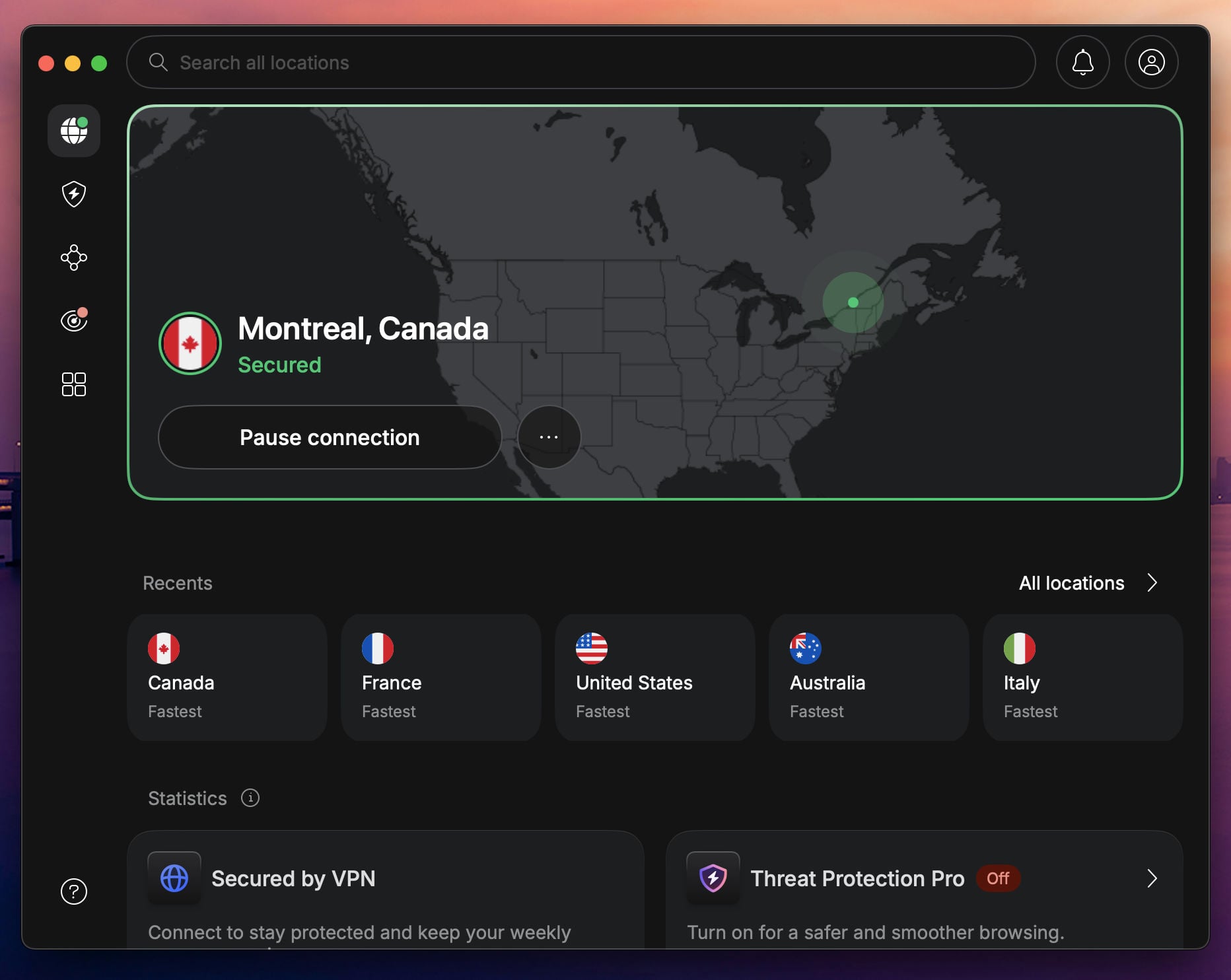
NordVPN is the top choice for privacy-conscious users. While a proxy only masks your IP address, NordVPN encrypts your entire connection with protocols like NordLynx and NordWhisper, so your data stays private on unsecured networks. With 9,500 servers in 137 countries, it delivers access to geo-restricted content and the speed to match for streaming, gaming, torrenting, or browsing.
2. Proton VPN: Safe and More Private Than Any Proxy
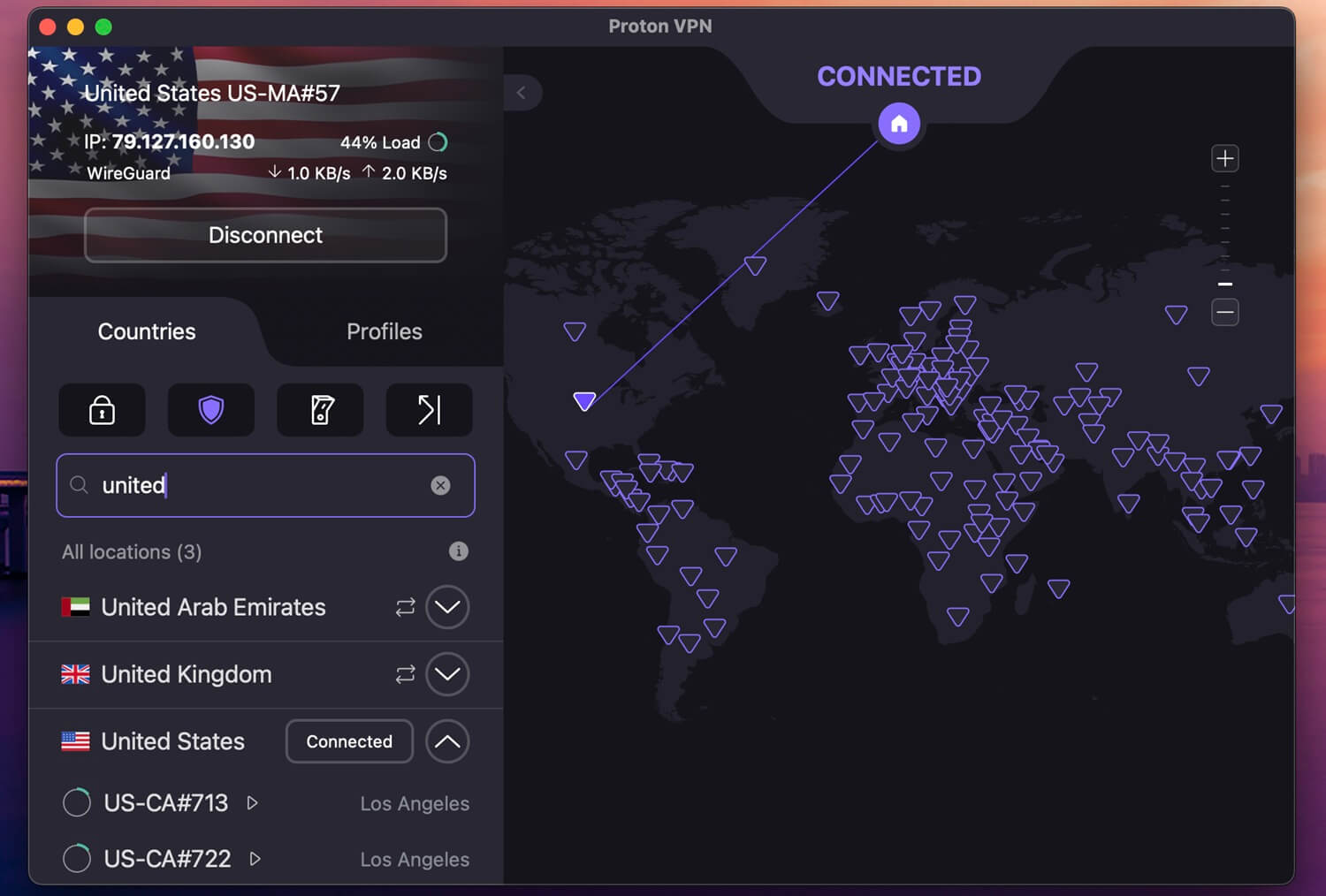
While proxies are often chosen for their low cost, Proton VPN offers serious protection at a price that undercuts the argument. AES-256 encryption, a no-logs policy audited five years running, and Secure Core servers that route your traffic through two locations put it in a different league from any proxy.
With 20,000+ servers in 148 countries, 10 Gbps ports, and the NetShield ad blocker included, your activities stay private without breaking the bank. These VPNs don’t just replace your IP. They encrypt, protect, and improve your entire online experience, outperforming proxies in every category.
3. ExpressVPN: Easy to Set Up and Very Fast VPN
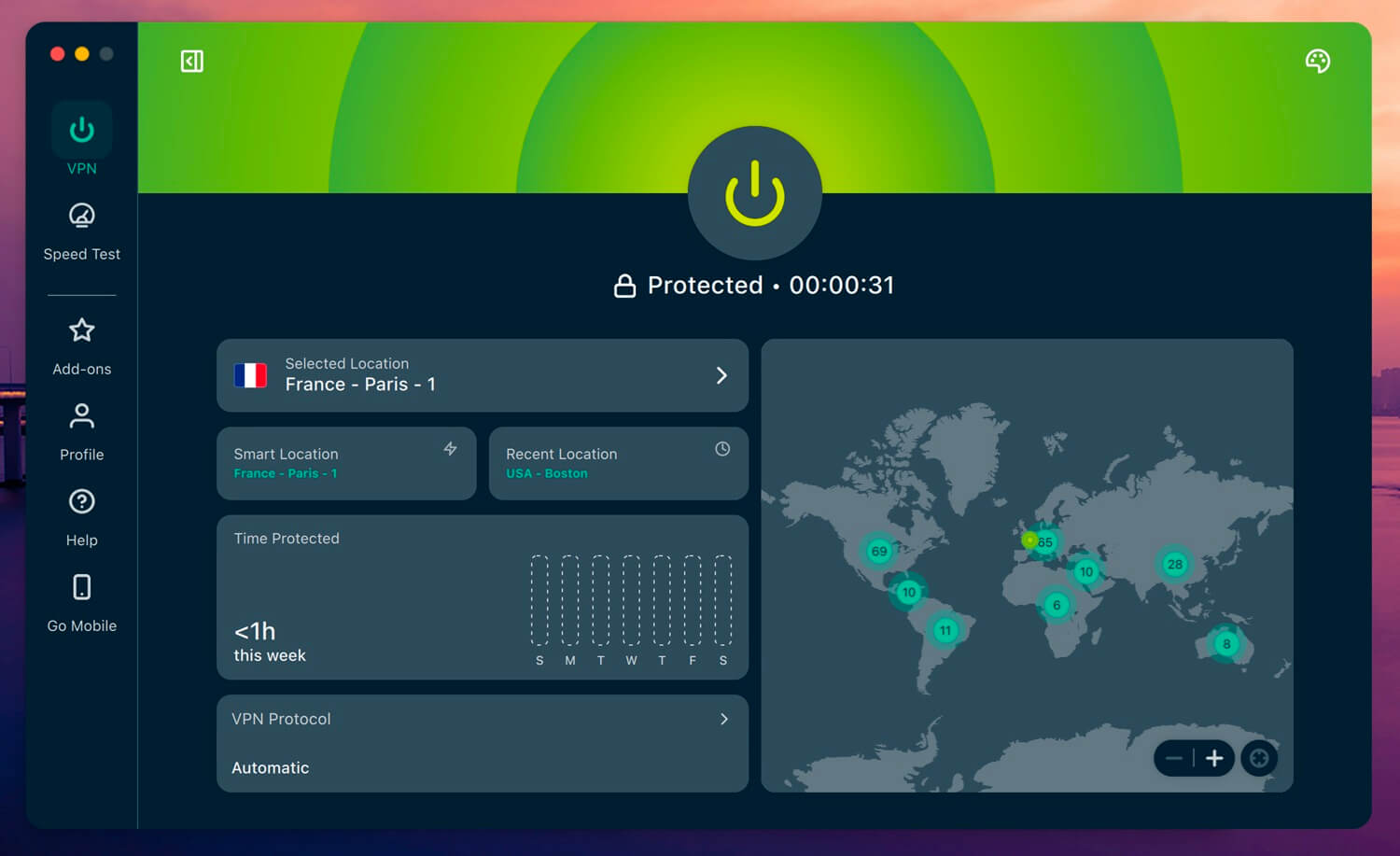
ExpressVPN excels where proxies fall short: reliability and performance. Proxies struggle to hold stable connections, but ExpressVPN’s Lightway protocol stays fast and secure across 3,000+ servers in 105 countries. Device-wide encryption and an audited no-logs policy make it superior for streaming, banking, or bypassing censorship. On that last point, it’s one of the most reliable VPNs in China.
Can You Use a Proxy and VPN Together?
Yes, you can run a proxy and a VPN at the same time, and for most people, you shouldn’t bother. A VPN already does everything a proxy does and encrypts your traffic on top, so stacking the two usually means paying twice for one job.
When Might You Combine a Proxy and VPN?
A few situations call for both:
- Layered obfuscation: The proxy handles IP masking at the application level while the VPN encrypts the full connection underneath. Some SOCKS5 proxies configured inside a torrent client work this way.
- Stubborn restrictions: Certain firewalls block known VPN server IPs. Routing through a proxy after the VPN gives you an exit address the filter hasn’t blacklisted.
- Professional IP rotation: Social media managers and similar specialists rotate proxy IPs across accounts while keeping the VPN underneath for encryption.
The Trade-Offs
Each tool adds a stop on your traffic’s journey, so expect slower connections with both active. Setup is another hurdle, since pointing applications at a proxy while a VPN handles system traffic requires configuration most people have never touched. And for everyday use, the proxy contributes nothing the VPN isn’t already doing.
Is It Worth It?
For nearly everyone, a VPN alone covers it. High-quality VPNs like NordVPN even bundle the features people chase proxies for, including dedicated IP addresses and obfuscated servers. Reach for the combination only if you have a concrete reason, like account management at scale, and you already know exactly why the VPN by itself falls short.
Proxy vs VPN: Which Should You Choose?
When it comes to online privacy, security, and flexibility, VPNs are the winner in the proxy vs VPN battle. Proxies remain suitable for quick, low-risk tasks like bypassing website blocks or managing multiple accounts, but they lack the encryption and device-wide protection of VPNs. A VPN secures your entire connection, shields your data with encryption, and keeps your traffic hidden from ISPs, hackers, and snoops.
Whether you’re streaming, working remotely, or simply browsing, a VPN like NordVPN, Proton VPN, or ExpressVPN is a smart investment in your privacy and peace of mind. In short: if your needs are occasional and lightweight, a proxy might suffice. For anyone serious about protecting their digital identity, a VPN is the way to go.
Proxy vs VPN Frequently Asked Questions
🛡️ Are Free Proxies or VPNs Safe to Use?
No. Free proxies and VPNs often come with risks like data logging, slower speeds, or intrusive ads. For secure and reliable performance, it’s best to stick with premium VPNs like NordVPN, Proton VPN, or ExpressVPN.
🔴 Are VPNs Better than Proxies for Streaming?
Yes, VPNs are better for streaming. They encrypt your connection and provide reliable access to geo-restricted platforms like Netflix or Hulu. Proxies might work, but they often get blocked by these services.
📶 How Do Proxies and VPNs Affect Internet Speed?
Proxies are generally faster because they don’t encrypt your data, but they compromise security. VPNs may reduce your speed due to encryption, but modern services like NordVPN minimize this impact with optimized protocols like NordLynx, based on WireGuard, one of the fastest options.