
WhatsApp connects over 2 billion people, but China’s Great Firewall blocks it. To message or call from inside the country, you need a VPN that routes your connection through a server abroad and hides the fact that you’re using one. We cover how to use WhatsApp in China with a VPN: the setup, the 3 VPNs that passed our recent China check in October, and what to do if the VPN fails.
Use WhatsApp in China With VPN: Quick Tutorial for October 2026
- Choose a VPN. To bypass China’s Great Firewall, pick a trusted VPN with a global server network. We advise NordVPN at 75% off.
- Install the VPN on your device, open the application, and log in with your email and password provided before.
- Connect to an obfuscated server in a supported country. Choose a nearby location that supports WhatsApp, like Hong Kong.
- Use WhatsApp in China normally. You can now send messages, make calls, and use all its features without restrictions.
Does WhatsApp Work in China for Tourists?
No. WhatsApp has been blocked since 2017, along with virtually every other Meta service. The app can sit on your phone, but from a Chinese network, in Shanghai, Beijing, or anywhere else, it can’t reach its servers. The block exists because WhatsApp’s end-to-end encryption prevents government monitoring.
Authorities favor WeChat, which operates under local regulations and allows content oversight. Most residents use WeChat for everything, so the ban hits travelers, expats, and anyone with contacts abroad. For them, a VPN is the only way back in.
How to Use WhatsApp in China: Detailed Guide
Here’s the full setup, using NordVPN as the example. Install the VPN before you arrive. This is the step people skip and regret, because once in China, the download itself becomes the problem.
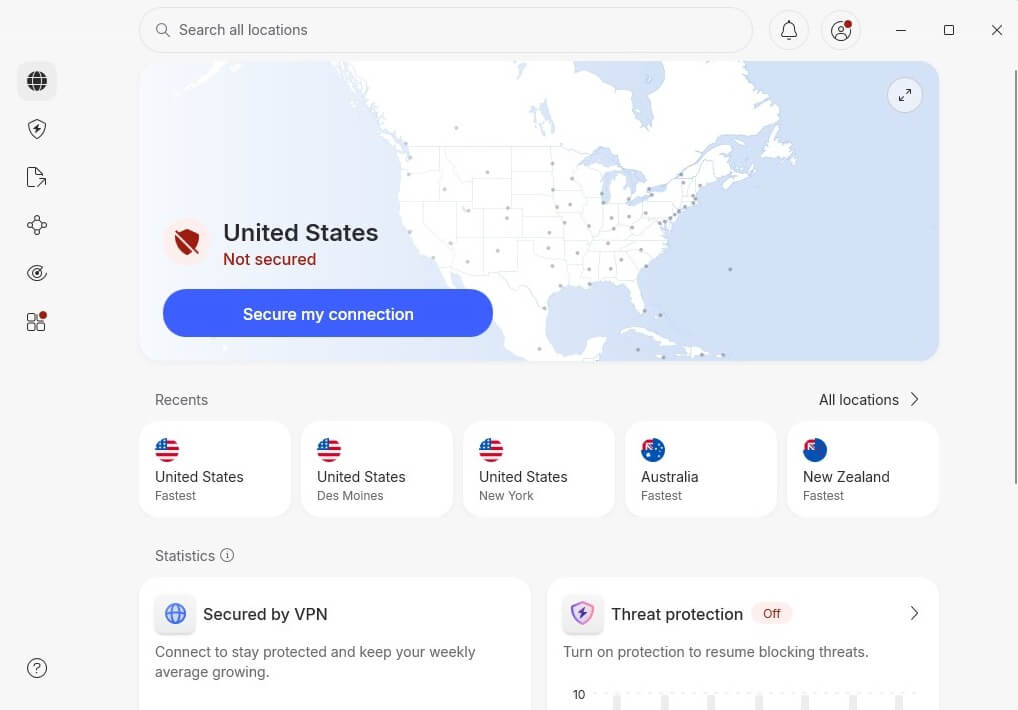
Then head to the server list, choose Obfuscated, and pick the nearby server. I recommend a server in Hong Kong since it’s close to China, so you get the best speeds and low latency for WhatsApp calling. These servers disguise VPN traffic as ordinary encrypted browsing, so the firewall reads it as nothing worth blocking.
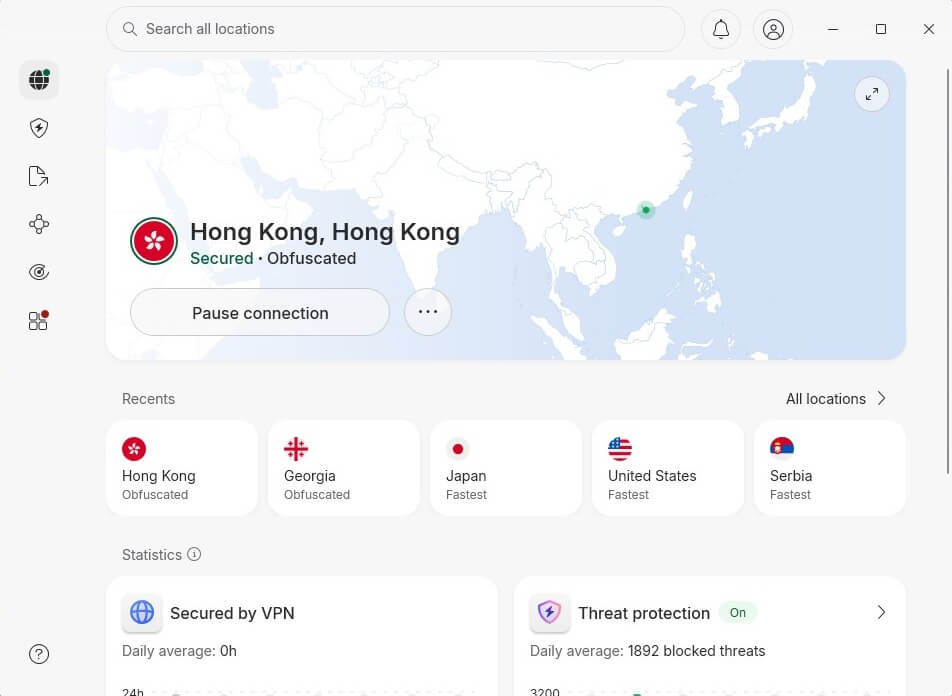
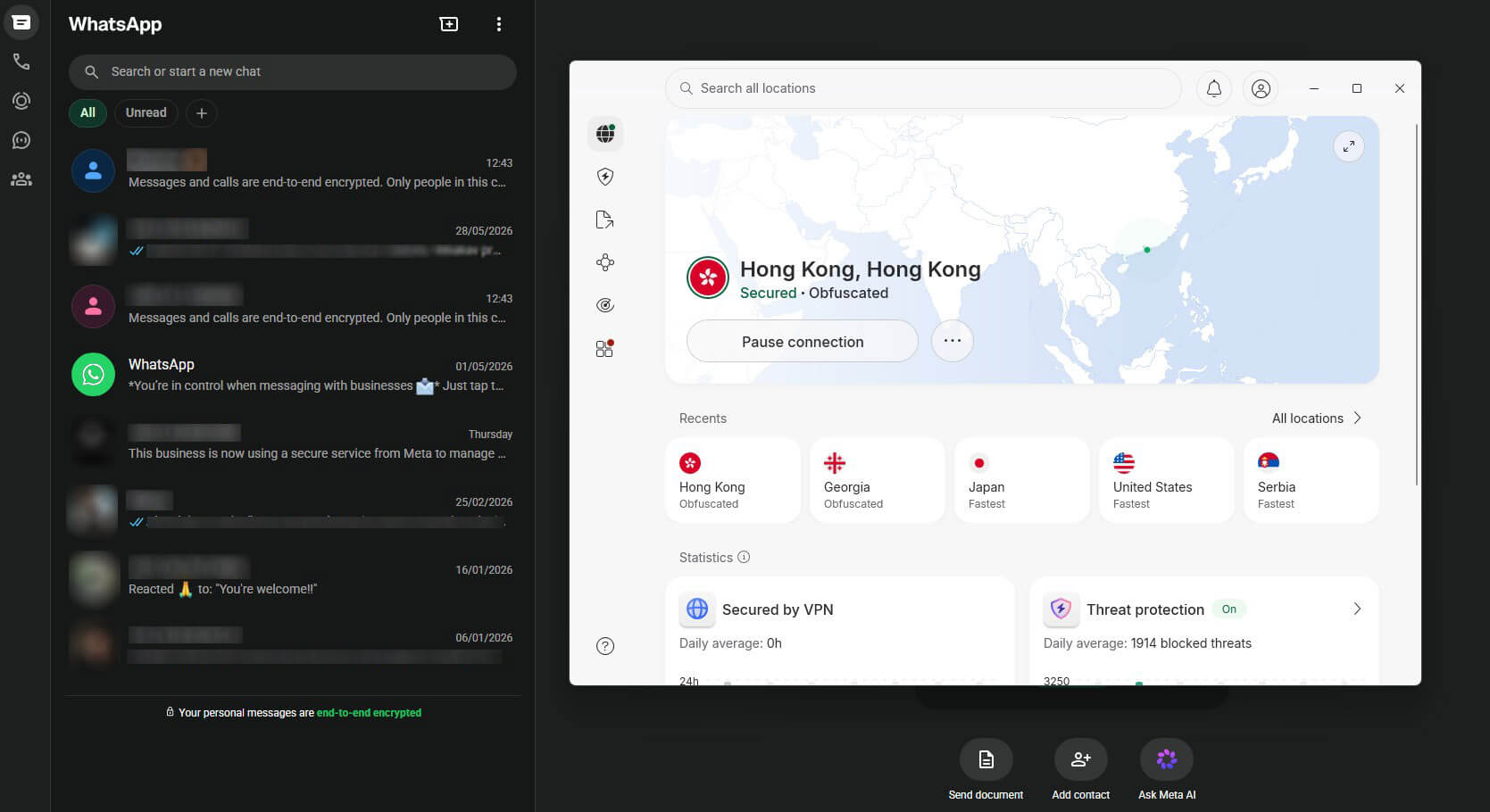
Now open WhatsApp. Chats, group calls, and video all ran without a hitch in our tests. The identical setup also restores Google and its services in China. NordVPN, and all the other VPN services below come with a 30-day money-back guarantee, so a bad fit doesn’t cost you anything. Just don’t treat that as a free-trial scheme; sign up for the service you actually intend to keep.
Unblock WA in China With NordVPN
How to Pick a VPN for WhatsApp in China
The Great Firewall identifies and kills standard VPN connections quickly, so the list is short. Here’s what actually matters in 2026:
- Obfuscation. Non-negotiable. It masks VPN traffic as regular web activity. Without it, your connection gets flagged and dropped within minutes.
- Servers near China. Japan, Hong Kong, Taiwan, and Singapore keep latency low enough for clean voice and video calls.
- Security that holds when things break. AES-256 encryption, a kill switch, and DNS leak protection keep your real IP hidden even if the VPN drops mid-call.
- Proper mobile apps. WhatsApp lives on phones. The VPN’s iPhone and Android apps need the full feature set, not a stripped-down version.
Best VPNs to Unblock WhatsApp in China
NordVPN, Proton VPN, and ExpressVPN check all the most important boxes. Here are their features, pros, cons, and prices, updated in October.
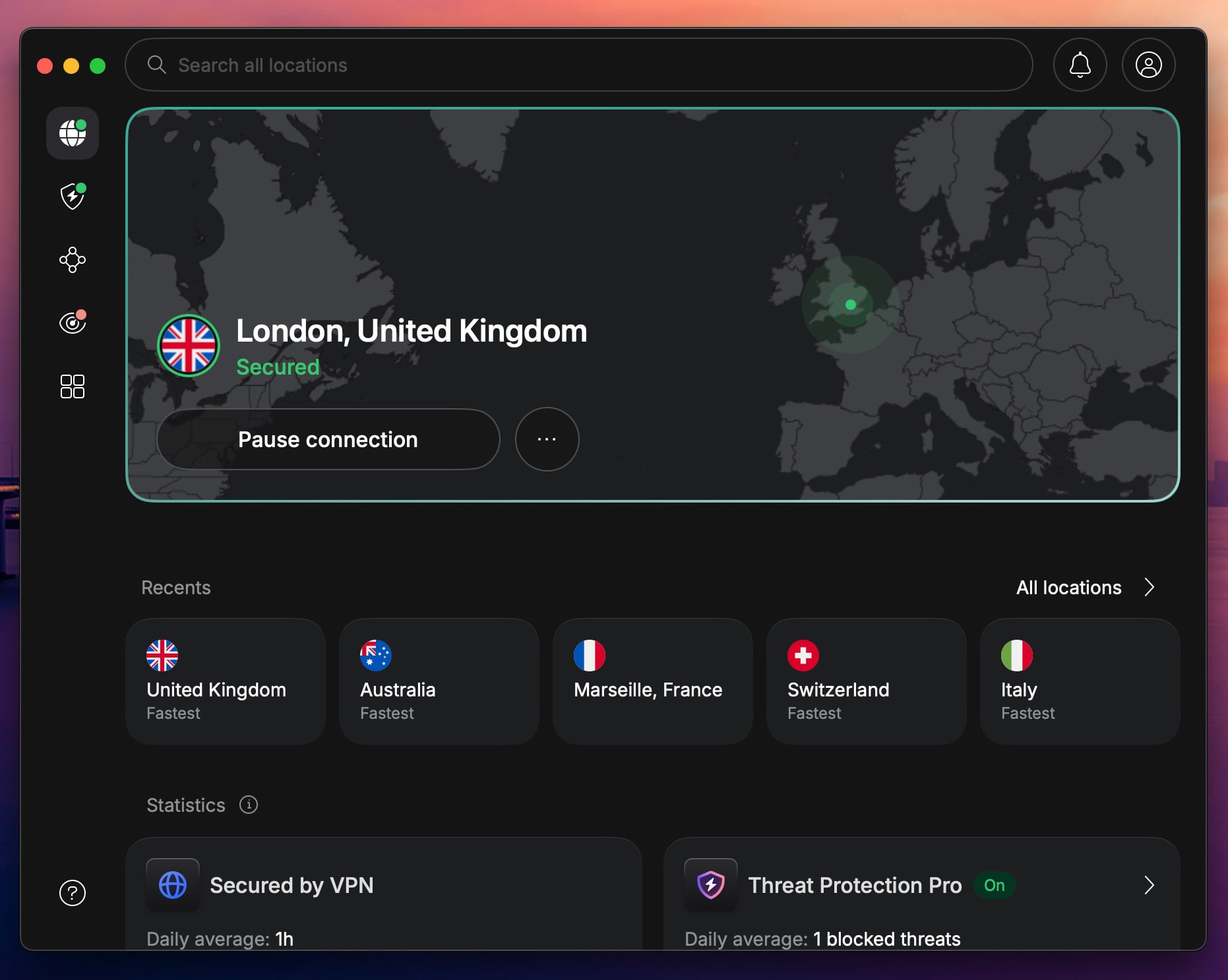
1. NordVPN: Best Pick Overall
Pros
- Obfuscated servers
- Fast for WA calling in China
- Double VPN connections
- Malware blocking
Con
- Higher renewal price
NordVPN has 9,500+ servers across 149 countries, with plenty of capacity near China in Japan, Hong Kong, Taiwan, and Thailand. Its Obfuscated Servers are the reason it tops this list: they dress VPN traffic up as regular HTTPS, and the firewall’s filters have no reason to stop it. On regular servers, the NordLynx protocol keeps speeds high for everything else you do online.
And if surveillance is a concern, Double VPN routes your traffic through two servers with two layers of encryption. Personally, I’d install it on both your phone and laptop before flying; one device inevitably acts up, and having a working backup saved me on my last trip through Hong Kong. Plans start at $3.49/mo, and it’s our top VPN for China now in 2026 overall.
2. Proton VPN: Secure VPN for WhatsApp in China
Pros
- Open-source apps
- Huge server network
- VPN Accelerator tool
- Stealth VPN protocol
Cons
- Free tier lacks obfuscation
- Renews at higher price
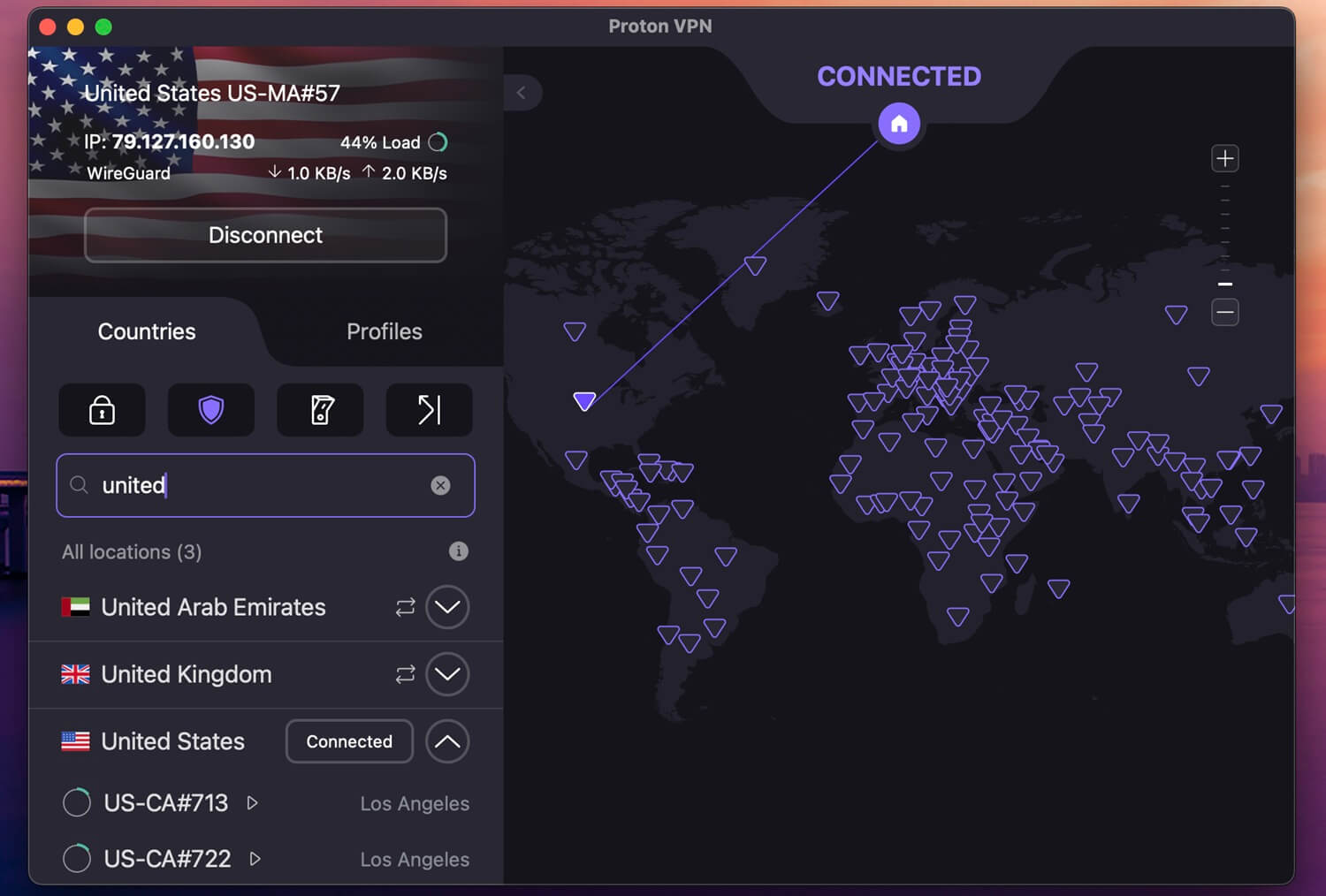
Proton VPN comes out of Switzerland, keeps its apps open source, and has a Stealth VPN protocol written specifically for networks that hunt VPN traffic. Stealth makes the connection look like everyday encrypted browsing, and it held up in firewall testing where standard protocols got cut off. It has 20,000 servers in 148 countries, like Hong Kong, Taiwan, Japan, and Singapore.
They’re built for low-latency WhatsApp calls. Independent audits back the no-logs policy, and Swiss jurisdiction keeps the company outside every intelligence-sharing pact. Our Proton VPN review goes deeper on both. One warning: Proton’s free plan won’t cut it here. It lacks the reach to deal with the Great Firewall, so budget for Plus at $2.99/mo on the 2-year plan with a 30-day guarantee.
3. ExpressVPN: Fast VPN for WhatsApp Calling in China
Pros
- Automatic obfuscation
- Servers in 113 countries
- Fast and stable VPN
- 30-day guarantee
Cons
- No Double VPN
- Poor customization
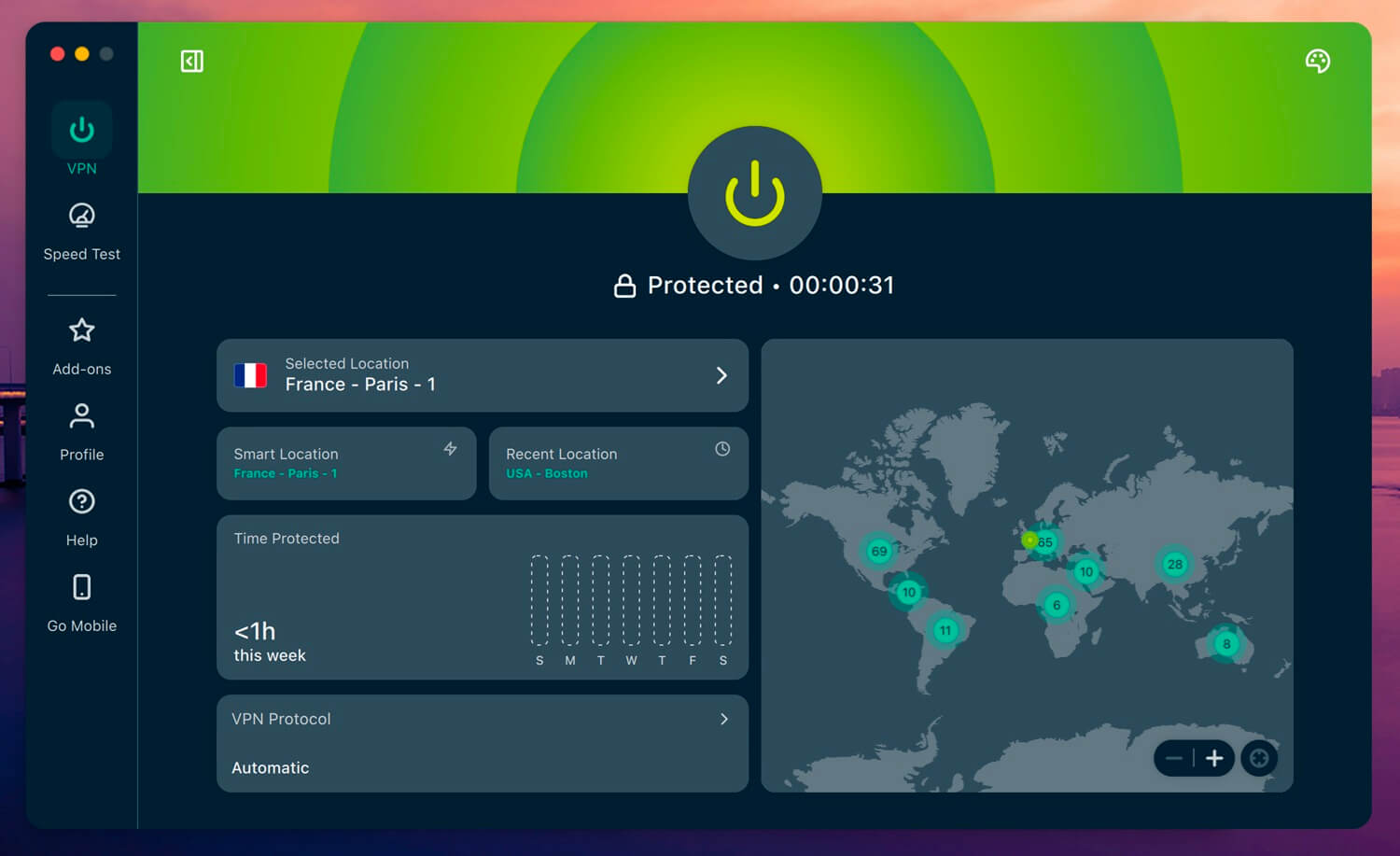
ExpressVPN’s pitch is simplicity: obfuscation is baked into every server automatically, so there’s no setting to find and nothing to configure. Open the app, connect, done. That makes it the pick for anyone who wants WhatsApp working without reading a guide. It covers 214 locations in 113 countries after its July 2026 expansion, with Hong Kong and Tokyo the standout choices.
ExpressVPN also rotates its IP addresses constantly, which keeps it ahead when authorities blacklist specific servers. Split tunneling is on board too, letting local Chinese apps bypass the VPN while WhatsApp stays protected. The Basic plan starts at $3.19/mo on the 2-year deal, which undercuts NordVPN. Like its rivals, it offers a 30-day money-back guarantee on all plans.
VPN Not Working With WhatsApp in China: Possible Fixes
Hop to a different city first; blocks usually hit individual servers, not the whole VPN. On NordVPN, pick another obfuscated server. On Proton, double-check Stealth is the active protocol. And on mobile, toggle airplane mode after reconnecting to force WhatsApp to re-establish its link. Calls failing while texts go through usually means latency, so move to a closer server.
Conclusion
WhatsApp in China is a solved problem if you prepare. Install NordVPN or one of the VPN alternatives above before your flight, confirm obfuscation is on, and you’ll message and call like you never left home. The firewall tightens around politically sensitive dates, and servers that worked for months can go dark for a week. If that happens mid-trip, the troubleshooting steps above cover it.
Use WhatsApp in China with NordVPN
Frequently Asked Questions
🌐 Can I get WhatsApp Web unblocked in China?
Yes, the same way as the mobile app, with a VPN. WhatsApp Web sits behind the same block, so run your VPN's desktop app or browser extension, connect to a nearby server, and the web version loads. Your phone needs a working connection too, since WhatsApp Web mirrors it.
🆓 How to use WhatsApp in China for free?
There's no dependable free route. Free VPNs lack the obfuscation to get past the Great Firewall, and Proton's free tier, solid elsewhere, doesn't hold up against it. A cheap long-term plan like Proton VPN Plus at $2.99/mo will work.
🧳 Can tourists use WhatsApp in China?
Yes, with a VPN. The block applies to every device on Chinese networks regardless of nationality. Install the VPN before arriving, since VPN websites are typically unreachable inside the country.
📍 Why is WhatsApp banned in China?
Its end-to-end encryption blocks government monitoring of conversations. Authorities prefer WeChat, which they can oversee, so WhatsApp joined the blocklist alongside the rest of Meta's apps in 2017.