These two share a parent company and almost nothing else. PIA costs $2.19 a month and puts no cap on devices. ExpressVPN costs $3.49 and counts yours. ExpressVPN takes it 5 rounds to 3. PIA wins on price, features, and server count, a genuine case if your budget is tight. Every round is below, with the reasoning stated.
ExpressVPN vs PIA VPN: Quick Breakdown
| Private Internet Access | ExpressVPN 🏆 | |
| 📋 Our Current Ranking | #4 | #3 |
| 🔖 Prices | Starts at $2.19 monthly | Starts at $3.49 monthly |
| 💸 Money-Back Guarantee | 30 days for all plans | 30 days for all plans |
| 🆓 Free Version/Free Trial | No/7 days | No/7 days |
| 📓 Logging/Jurisdiction | No logging/USA | No logging/British Virgin Islands |
| 🔐 Protocols | WireGuard, OpenVPN | WireGuard, Lightway (Turbo), OpenVPN |
| 🌐 Servers | 26,000+ in 91 countries | 3,000+ in 113 countries |
| 🔝 Specialty Servers | MultiHop, Streaming, Dedicated IP | Dedicated IP |
| ⛔ Ad Blocking | Yes, MACE, DNS-level | Yes, Advanced Protection, DNS-based |
| 💾 RAM-Only Servers | Yes | Yes |
| 📺 Working With Netflix | Yes, a few major catalogs | Yes, most major catalogs |
| 🔽 P2P Allowance | Yes, all servers | Yes, all servers |
| 📱 Concurrent Connections | Unlimited | 10-14 |
Ease of Use and Compatibility Comparison
Both cover the same ground on platforms now. Windows, macOS, a graphical Linux client, iPhone, Android, routers, and every major streaming box are handled, and either works on a Firestick via a native app from the Amazon store. ExpressVPN’s client asks less of a first-time user. One button connects you, a search bar finds any location, and the UI is identical on every device.
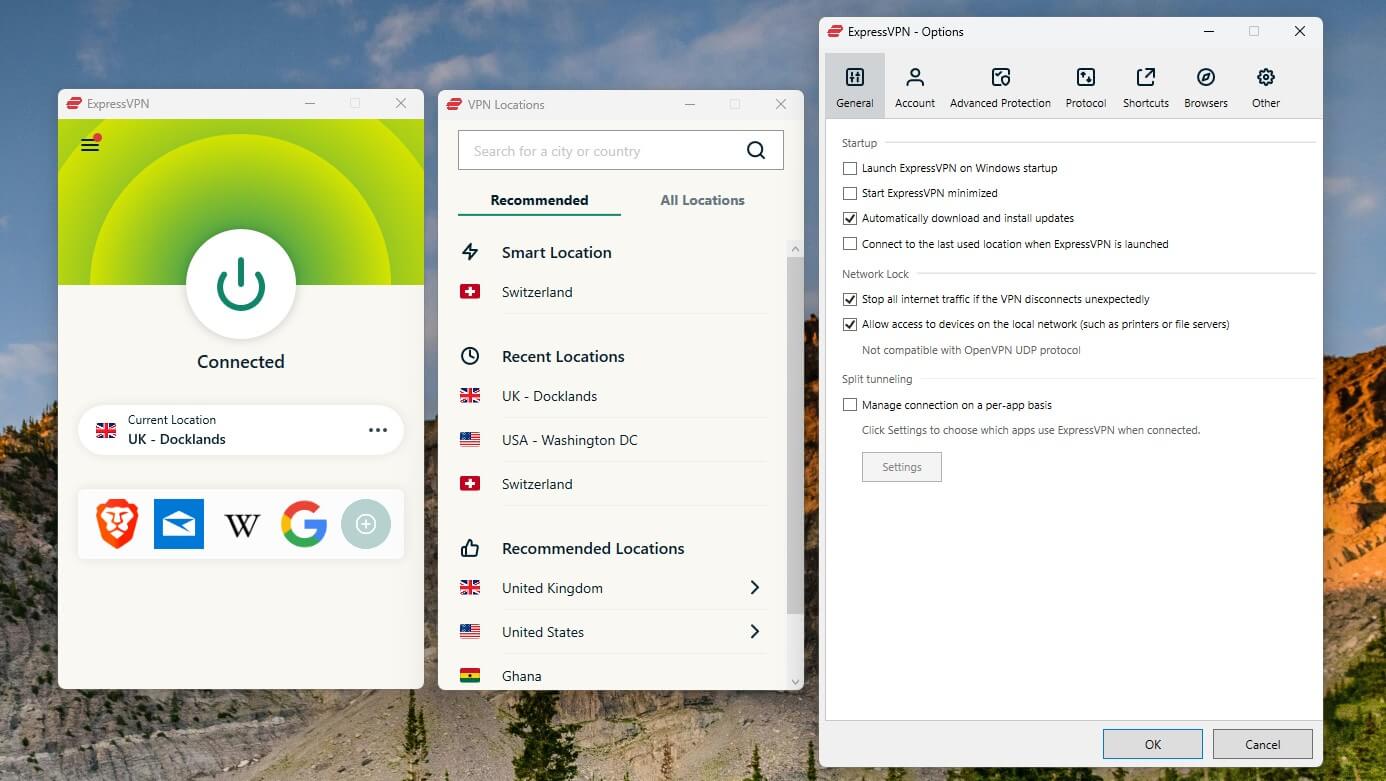
Smart DNS then covers the hardware no app can touch, meaning consoles and older televisions. PIA offers nothing comparable. PIA’s desktop app feels dated by comparison. Opening Settings spawns a second window, the server list stretches the interface awkwardly, and responses lag a beat. Its mobile clients are considerably better, and the iOS app is genuinely quick.
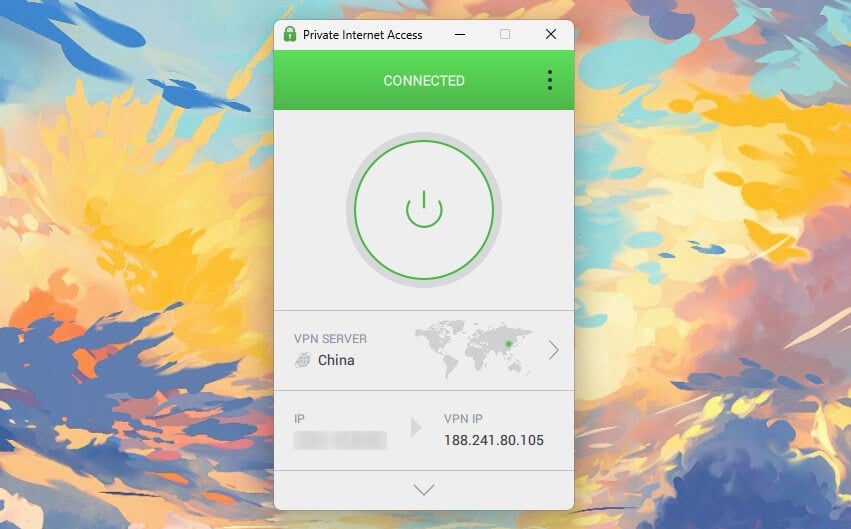
PIA answers with unlimited simultaneous connections against ExpressVPN’s 10 on Basic and 14 on Express Pro. Its apps are also open source, which ExpressVPN’s are not, and it’s a huge plus for me.
Winner: ExpressVPN
Cleaner software and Smart DNS decide it. PIA’s unlimited device allowance is the better deal for a large household, so weigh this round differently if you’re covering more than ten screens.
PIA is Cheaper than ExpressVPN: Pricing Comparison
PIA is among the cheapest VPNs worth buying. Its 2-year term costs $2.19 a month with 2 bonus months, working out to roughly $57 up front. Shorter terms cost a good deal more, though the 30-day refund window applies to every one. ExpressVPN now sells three tiers. Basic works out to $3.49 a month across 24 months, a 73% cut with 4 months added free, and Advanced and Express Pro climb from there.
| 2-Year Price | 1-Year Price | Monthly Price | Renewal Price | |
| PIA VPN | $57 | $39.95 | $11.95 | $57 annually |
| ExpressVPN | $97.72 | $74.85 | $14.99 | $99.95 annually |
Our ExpressVPN review breaks down what each tier adds. Year two is where they diverge. ExpressVPN Basic reverts to $99.95 annually once the promotional period lapses, more than triple what PIA advertises.
Winner: Private Internet Access
Cheaper at every term length and cheaper again on renewal. For anyone counting, this round isn’t close.
PIA VPN is More Secure Than ExpressVPN: Here’s Why
Both providers sit under the same parent company, which explains how much of the groundwork they actually share.
Shared Features Between PIA and ExpressVPN
- 256-bit encryption. ExpressVPN offers this level only. PIA lets you drop to 128-bit GCM for speed, though we’d leave it on 256.
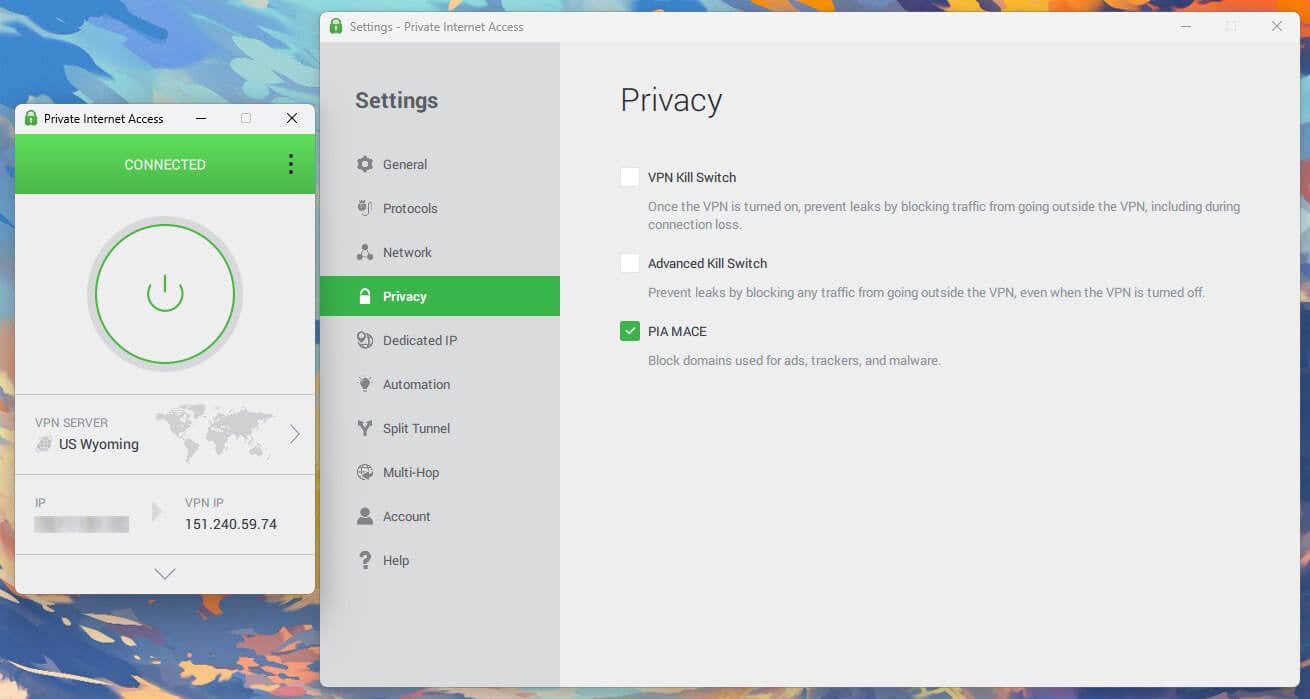
- Kill switch. Both are dependable. PIA’s Advanced mode goes further, blocking all traffic until the VPN is running. Our kill switch guide explains why that matters.
- Split tunneling. Present on both, though PIA extends it to specific IP addresses and domains rather than apps alone.
- Ad blocking. ExpressVPN’s Advanced Protection covers ads, trackers, malware, and adult sites. PIA’s MACE handles the first three.
- Private DNS and RAM-only servers. Standard on both, with no third-party resolvers involved.
Advanced Features: PIA Beats ExpressVPN
ExpressVPN’s Lightway, rewritten in Rust, is the faster protocol of the two, and its Turbo variant uses multi-lane tunneling for high-bandwidth work. Importantly, post-quantum protection is active by default, so anything captured today stays unreadable if quantum decryption arrives. PIA has nothing comparable.
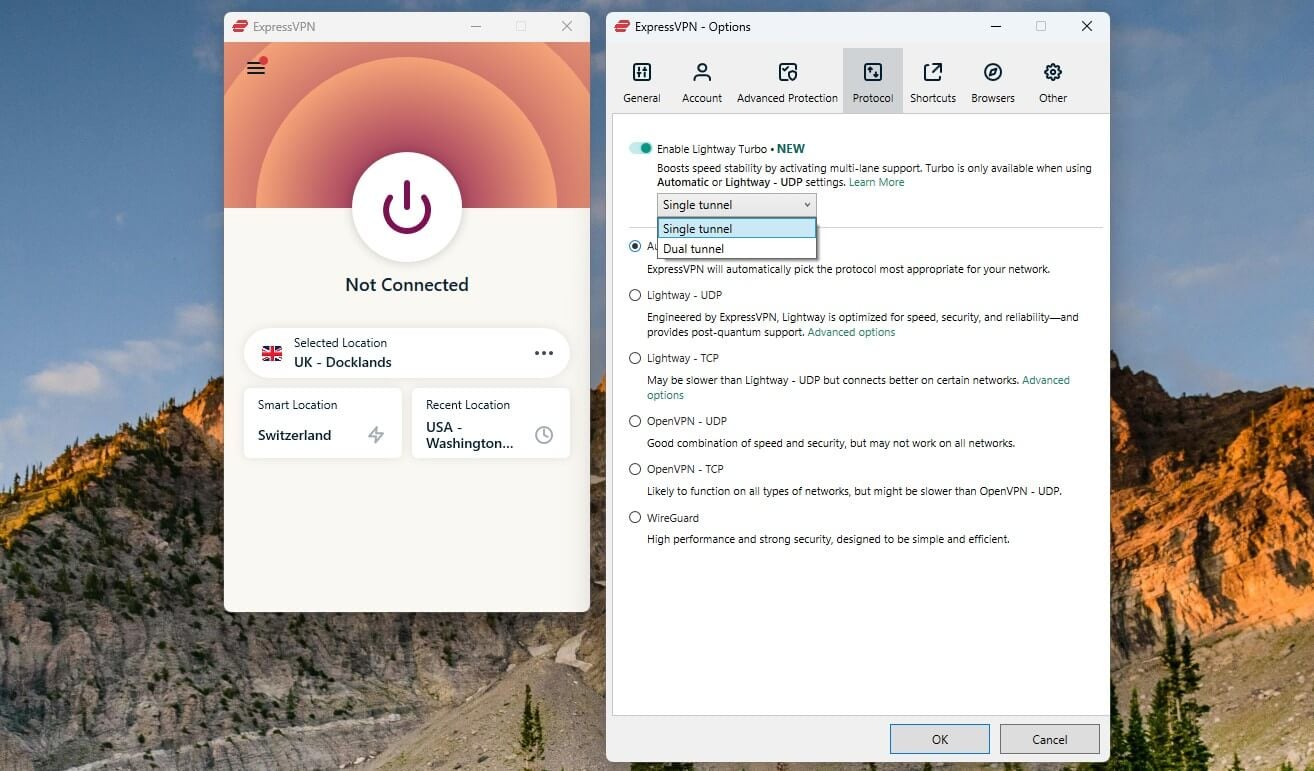
PIA relies on WireGuard, which is excellent and slightly behind Lightway on speed, as our PIA against NordVPN comparison also found. PIA’s Multi-hop is the feature ExpressVPN most obviously lacks. It chains a Shadowsocks or SOCKS5 proxy with a VPN server, letting you pick the entry country and the exit country separately. ExpressVPN has obfuscation always on.
Dedicated IPs are cheaper on PIA at about $2.50 monthly in 25 locations. ExpressVPN charges from $2.49 across 29 locations in 22 countries, so the two are closer than they used to be. Our dedicated IP guide covers what they solve. PIA also sells antivirus at $1.45 monthly, PC only. Port forwarding is another PIA exclusive, and it measurably improves torrent throughput.
Winner: Private Internet Access
Multi-hop, port forwarding, open-source apps, and cheap antivirus add up to more than ExpressVPN puts on the table. Post-quantum encryption is the one place ExpressVPN is clearly ahead, and it’s a significant one.
ExpressVPN and PIA Don’t Keep Logs: Privacy Comparison
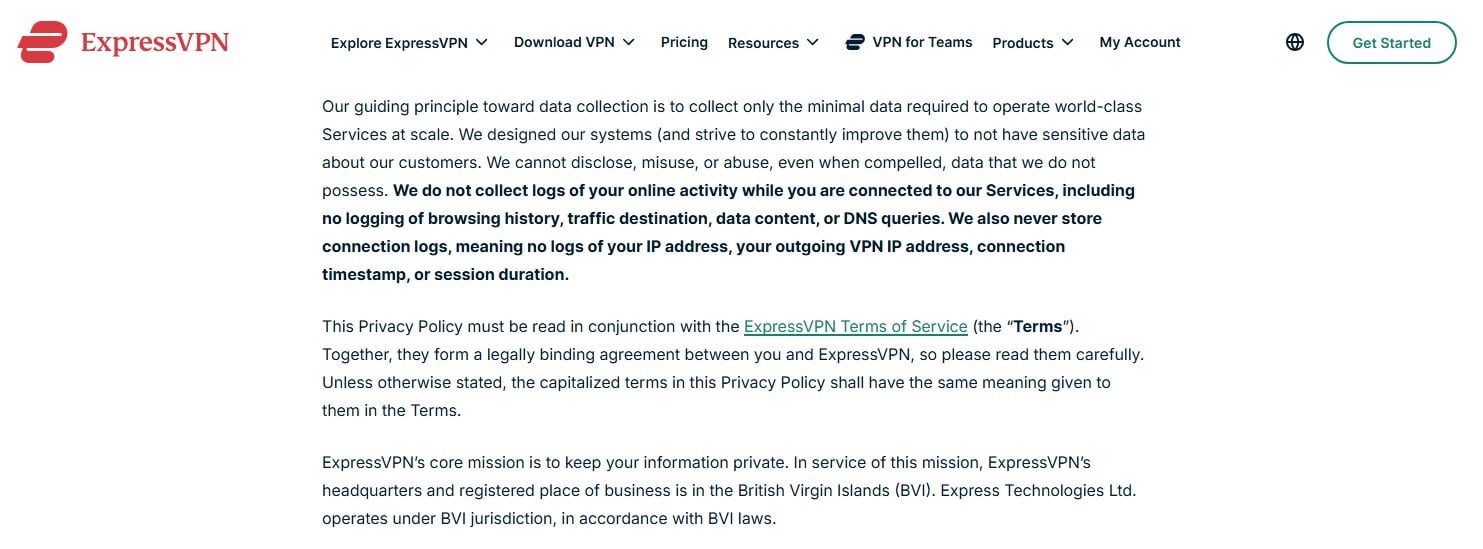
Both providers avoid logging and have had that claim tested by courts rather than only by auditors. ExpressVPN answers to British Virgin Islands law, beyond the Eyes alliances and imposes no retention duty. 20+ independent audits (total number) back the no-logs claim, KPMG among them, and Turkish investigators who seized one of its servers walked away with an empty disk.
PIA sits in the USA, a Five Eyes member, which reads worse than the record shows. Its no-logs policy has been tested in court repeatedly, and investigators left with nothing every time. Deloitte has since audited it, and PIA publishes its client source code for anyone to inspect, as our PIA review covers.
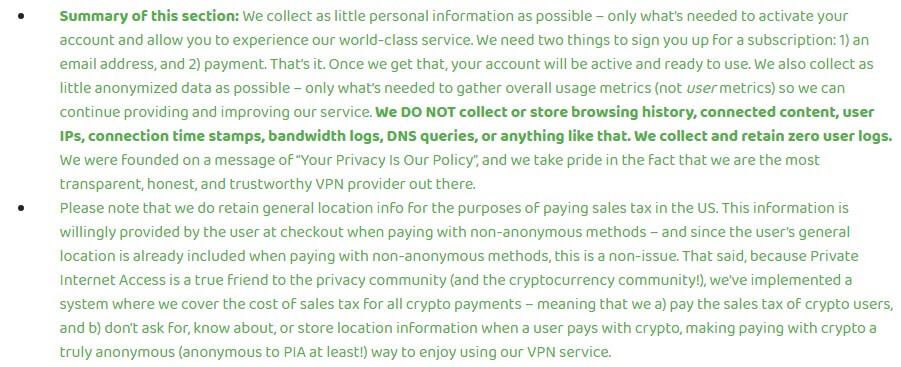
Both store an email address and basic account data, which is unavoidable and identifies nothing about your browsing.
Winner: ExpressVPN
Jurisdiction and audit volume separate them. PIA’s courtroom record is arguably the stronger single piece of evidence, but twenty audits in total against a few, in a territory with no reporting requirements, edges the round.
ExpressVPN is Faster Than PIA VPN: October Speed Test
We tested from Southeastern Europe, 3 times daily across 3 days, using UK, US, and Japanese servers, with each app left to choose its own protocol.
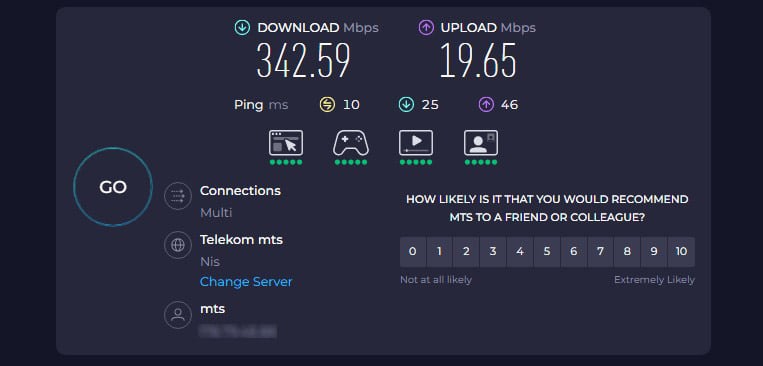
Here are the results:
| Download Speed Loss | Upload Speed Loss | |
| ExpressVPN | 24% | 9% |
| Private Internet Access | 26% | 24% |
Downloads were near-identical on the UK server. The gap opens with distance, and uploads separate them everywhere: 9% loss against 24% is wide enough to show up when sending files or joining a video call.
| UK (Download/Upload) | US (Download/Upload) | Japan (Download/Upload) | |
| ExpressVPN | 298.82/18.50 Mbps | 274.61/18.35 Mbps | 206.33/16.73 Mbps |
| Private Internet Access | 298.69/17.42 Mbps | 261.93/12.84 Mbps | 197.89/14.31 Mbps |
Winner: ExpressVPN
Lightway preserves more upload throughput and more speed over long hops. PIA remains quick enough for anything ordinary.
ExpressVPN is Better for Streaming and Torrenting
Whether you like streaming or torrenting or both, high-quality premium VPNs like these will suffice. Now, not all are built the same, so one will be better than the other. Is ExpressVPN better than Private Internet Access? Let us report on our findings.
Streaming
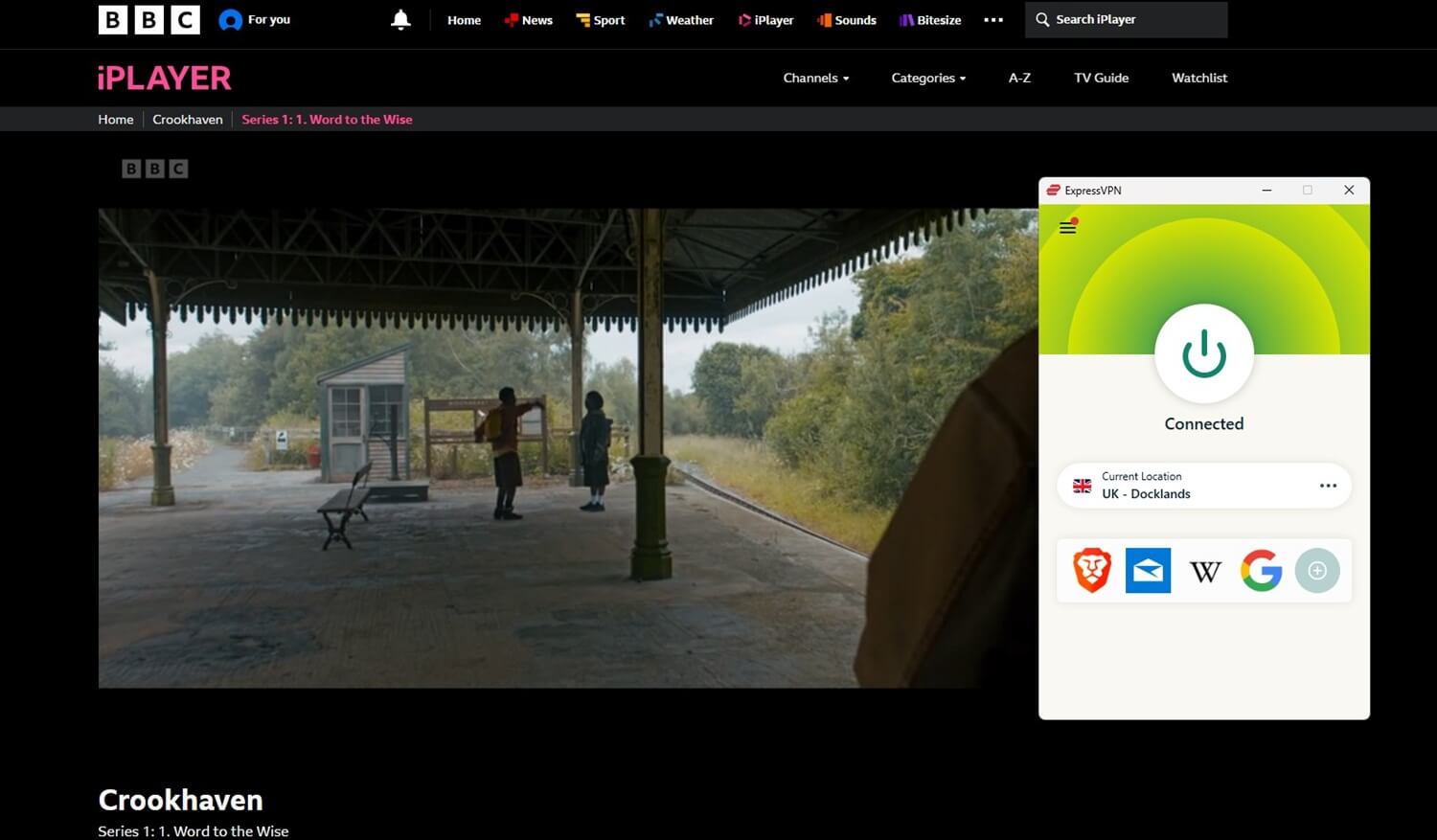
ExpressVPN cleared 15+ Netflix catalogs without configuration, along with BBC iPlayer, HBO Max, and Hulu. Its browser extension adds location spoofing on Chrome, Edge, Firefox, and Safari, which is how free Formula One streams stay reachable, or pretty much any streaming site.
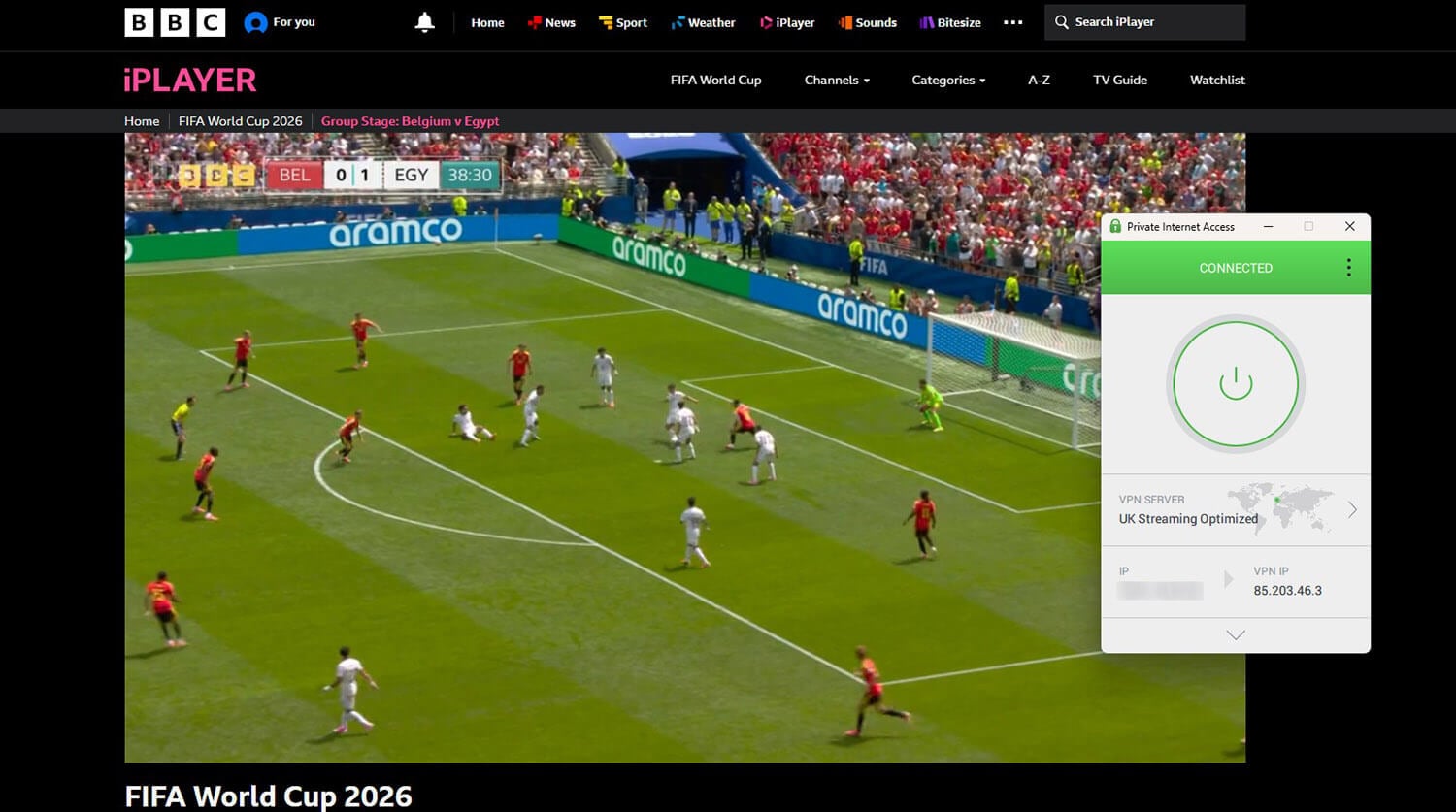
PIA managed five or six libraries using its streaming-optimized locations. Netflix US worked dependably; the rest took persistence, and there’s no Smart DNS to cover hardware that can’t run the app.
Torrenting
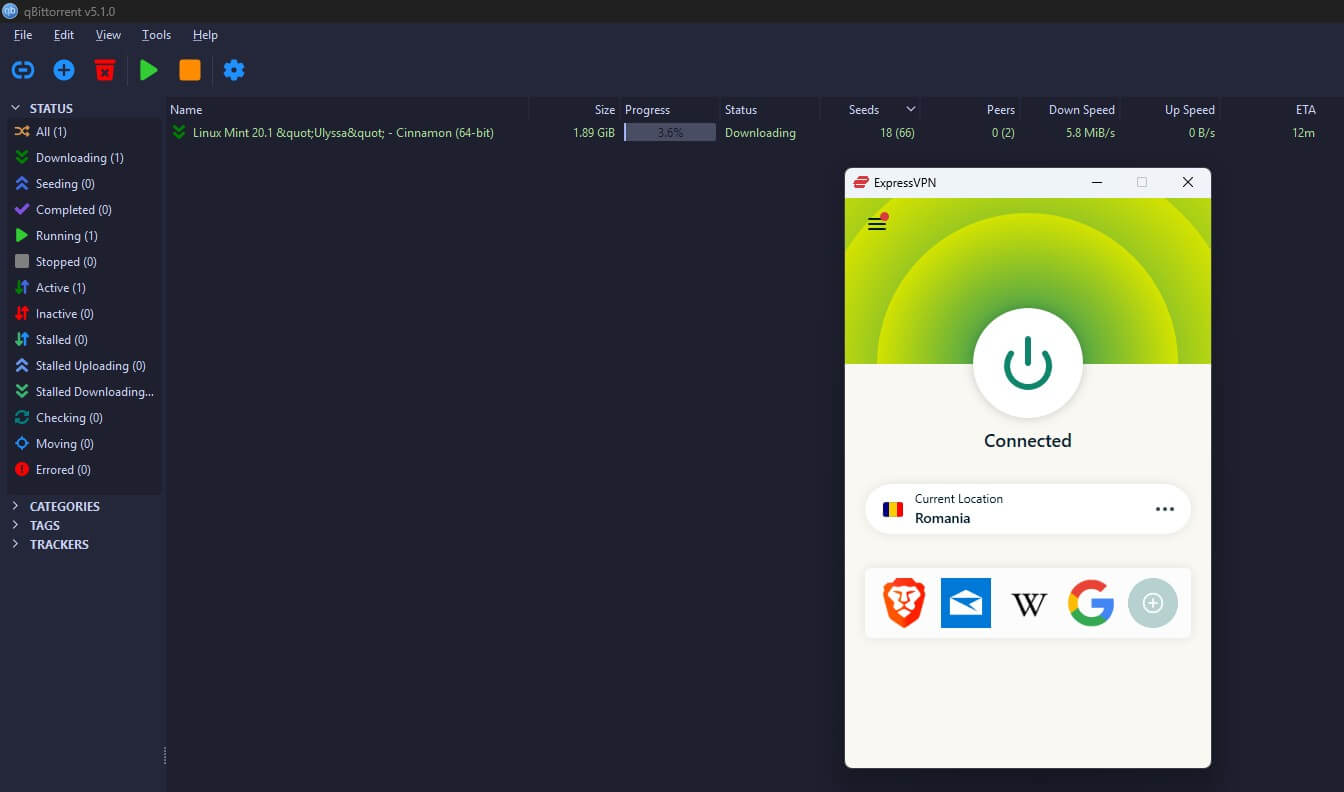
Both permit P2P network-wide and neither leaked during testing.
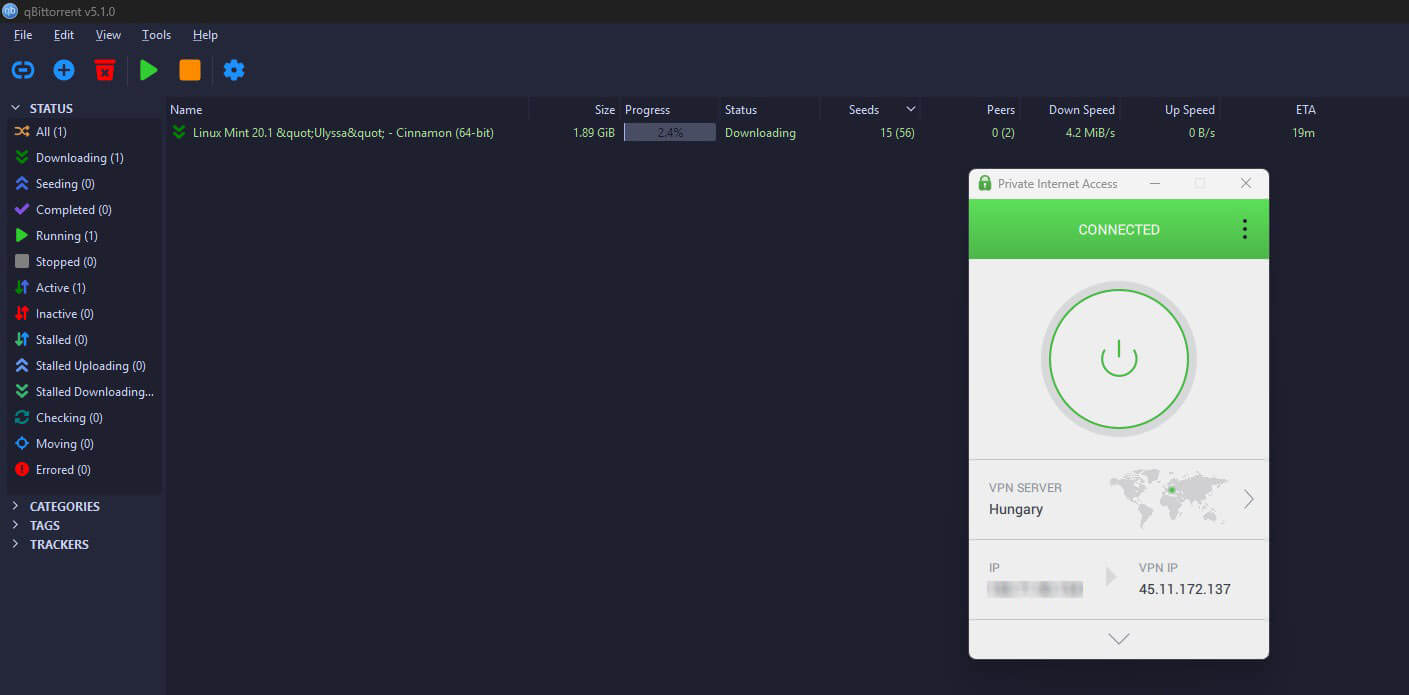
PIA holds a real advantage here with SOCKS5 and port forwarding, which improves swarm connectivity in a way ExpressVPN can’t match. ExpressVPN counters with lower speed loss on distant servers, so you’re less tied to nearby locations.
Winner: ExpressVPN
Streaming decides it. Torrenting goes to PIA on port forwarding alone, but 15 catalogs against six is too wide a margin to overturn.
PIA VPN Has More Servers/Locations Than ExpressVPN
- ExpressVPN offers 3,000+ servers across 113 countries and 214 locations
- Private Internet Access offers 26,000+ servers across 91 countries
PIA fields roughly eight times the hardware. ExpressVPN reaches 22 more countries. Which matters depends on what you need: a nearby server almost anywhere, or an IP in a country nobody else covers. PIA has servers in all US states. ExpressVPN’s July 2026 expansion brought it to full state coverage, though PIA has offered it far longer and with more depth.
PIA also carries streaming-optimized servers and proxy support, where ExpressVPN’s network is uniform apart from dedicated IPs.Neither matches NordVPN’s 9,500+ servers in 149 countries.
Winner: Private Internet Access
Eight times the servers and deeper US coverage. ExpressVPN’s country lead is real, and PIA still takes this on raw availability.
ExpressVPN Works Better in China in 2026
ExpressVPN applies obfuscation automatically to every server, with no setting to find. In testing, it got through the Great Firewall with reasonable consistency, which our China VPN guide covers in more detail.
PIA’s Shadowsocks obfuscation connected roughly four attempts in ten there, and SOCKS5 fared worse. Outside China, the two are level. Both connected from Turkey, the UAE, and Russia in testing and defeat school and workplace filtering.
Winner: ExpressVPN
It works in China where PIA mostly doesn’t. Anywhere less restrictive, either will do just fine and work reliably.
Conclusion: We Prefer ExpressVPN Over PIA VPN
ExpressVPN takes it 5 rounds to 3. It wins on app quality, privacy, speed, streaming, and censorship. Those are the rounds most people feel day to day, and post-quantum encryption gives it a technical lead PIA has no response to yet. PIA’s case is narrower. It’s a dollar thirty cheaper each month and far cheaper on renewal.
It removes the device limit, and its Multi-hop, port forwarding, and open-source apps give power users tools ExpressVPN doesn’t offer. Eight times the servers doesn’t hurt. Pick PIA if budget or device count decides it, or if you want to read the code you’re running. Pick ExpressVPN for everything else.
Both refund within 30 days, and neither is a bad VPN.