A free VPN and a paid one are not the same product at different prices. They are funded differently, and that difference decides almost everything else. Paid providers earn from subscriptions. Free ones have to find revenue somewhere, and where they find it determines whether your data stays yours. A handful do it honestly by using the free tier as advertising. Most do not.
Free VPN vs Paid VPN Breakdown
| Feature | Paid VPN | Free VPN |
|---|---|---|
| No-log policy | Yes, usually audited ✅ | Rarely, and rarely verified |
| Countries covered | 90 to 149 | 5 to 15 |
| Bandwidth limit | None | Often 2 to 10 GB monthly |
| Server hardware | Up to 10 Gbps | Typically 1 Gbps and congested |
| Multi-hop | Yes ✅ | No ❌ |
| Obfuscation | Yes ✅ | No ❌ |
| P2P allowed | Yes ✅ | Usually blocked ❌ |
| Streaming | Yes, 20+ Netflix regions | Rarely, and inconsistently |
| Simultaneous connections | 5 to unlimited | Usually 1 |
| Ads inside the app | No | Common on mobile-first services |
| Independent audit | Standard among the top | A few have one, most have none |
How Free VPN Services Make Their Money
Servers and staff cost money whether or not you pay. Free providers cover that in one of three ways, and all smell fishy:
- Selling your data. The most common route and the reason to be careful. Browsing records, IP addresses, and tracker data are collected and sold to brokers. Hola VPN’s privacy policy is unusually candid about how much it gathers.
- Serving ads. Standard on mobile-first free apps, and it makes them unpleasant to use as well as unprofitable to trust.
- Advertising the paid plan. The straightforward version. Proton VPN, hide.me, and Windscribe restrict the free tier deliberately, hoping the limits push you to upgrade. Nothing is being sold behind your back.
The first two are why “free” deserves scrutiny. The third is a legitimate business model, and those VPNs appear on our list of the safest free options.
Free vs Paid VPN Security: Which is Safer?
This is the question most people actually want answered, so here it is directly: a good free VPN is safe, and there are very few good free VPNs. Proton VPN’s free tier carries the same AES-256 encryption, kill switch, and audited no-log policy as its paid plans. Hide.me is comparable. Both are genuinely safe for browsing. What they withhold is the layered protection.
Proton VPN’s free plan has no Secure Core routing and no NetShield to block trackers and malware. Hide.me is more generous on protocols, offering WireGuard, OpenVPN, and IKEv2 even to free users, but it holds back multi-hop, port forwarding, the SmartGuard ad blocker, and streaming servers, and caps free speeds at 5 Mbps.
Paid tiers add the tools that matter when the stakes rise. NordVPN has Double VPN, Threat Protection Pro, and Dark Web Monitor. ExpressVPN carries Advanced Protection and post-quantum encryption. For a journalist, an activist, or anyone whose threat model involves more than café Wi-Fi, that gap is the whole point.
Below those, quality drops sharply. Many free apps lack a kill switch, leak DNS queries, or use outdated protocols, and the best-rated premium providers exist in a different category entirely.



 9200 servers
 128 covered countries
 30 days money-back guarantee
 10 simultaneous connections
9.4 /10

20396 servers
148 covered countries
30 days money-back guarantee
10 simultaneous connections
9.2 /10

3000 servers
105 covered countries
30 days money-back guarantee
10 simultaneous connections
9.1 /10
Privacy and Logging: Free VPN vs Paid VPN
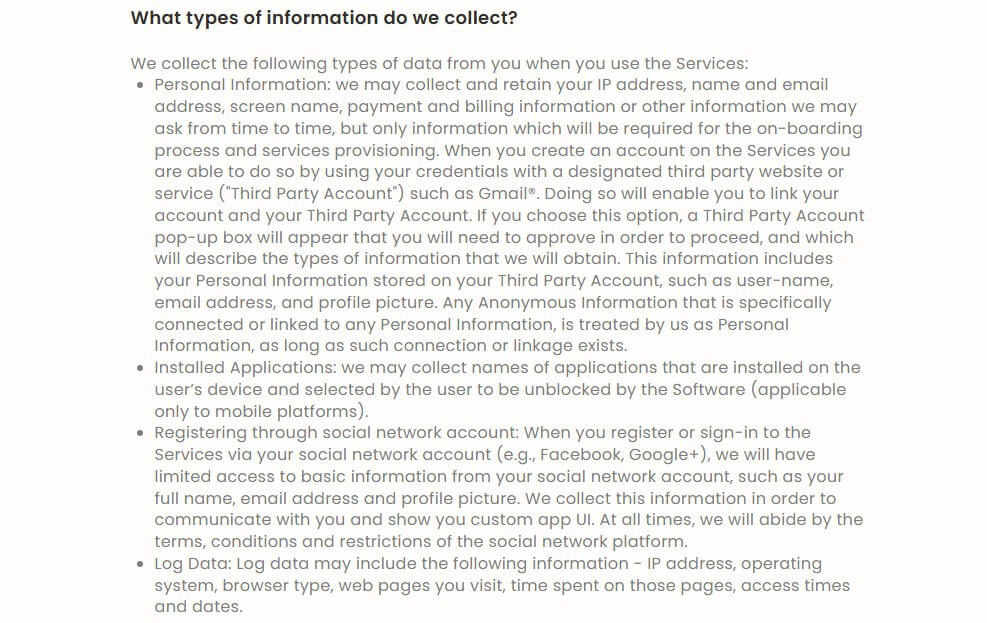
Logging is where the funding model shows itself most plainly. Hola VPN’s privacy policy describes collecting social media details, your real location, IP address, and the sites you visit. Anyone using a VPN to reach adult sites under the impression they are private would be mistaken.
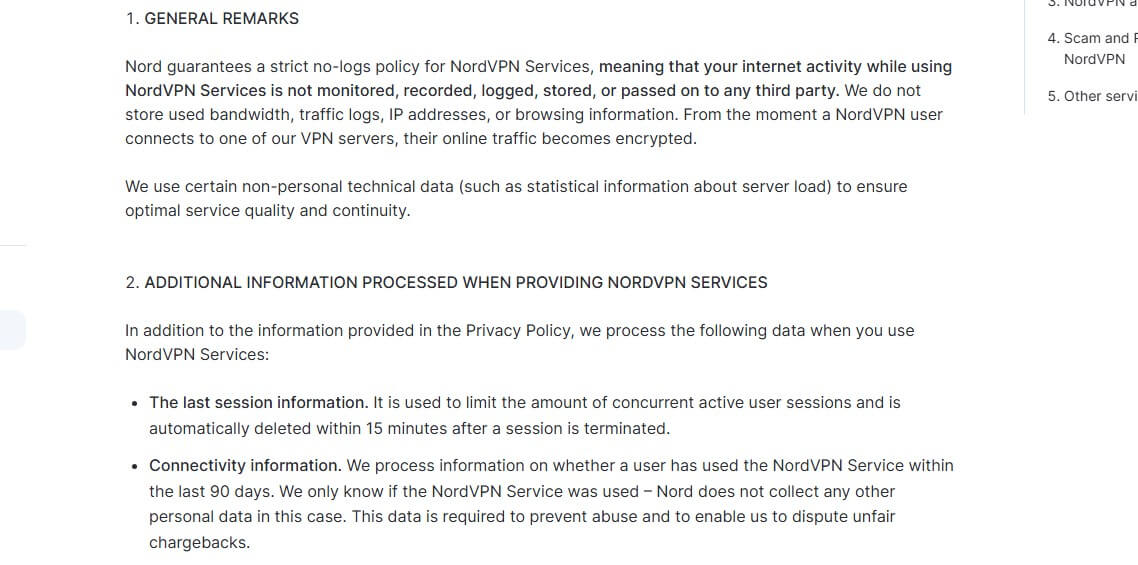
Paid providers state precisely what they hold, typically an email address and payment details, and nothing about your traffic. They pay auditors to check. One correction worth making: it is not true that no free VPN has been audited. Proton VPN publishes its source code and submits to independent review. TunnelBear has been audited by Cure53 every year since 2017.
Hide.me has been examined too. Those three are the exceptions rather than the rule, and the rule is that free providers have nothing verifying their claims.
Speed, Bandwidth, and Servers
Paid networks operate 10 Gbps hardware. Free tiers typically sit on 1 Gbps and carry every non-paying user on a fraction of the fleet, so congestion compounds the hardware gap. Data caps do the rest:
- TunnelBear and Speedify: 2 GB monthly
- Windscribe and PrivadoVPN: 10 GB monthly
- Betternet: 500 MB daily
- Proton VPN and Hide.me: unlimited data, though Hide.me throttles free users to roughly 5 Mbps speeds
Coverage separates them further. Proton VPN’s free plan reaches 10 countries against 148 on the paid one. Hide.me offers eight free locations, Windscribe around 10. Paid services span 91 to 149 countries, which is why location spoofing works properly only above a certain scale. Unlimited data with no cap is the reason premium services suit gaming, where a mid-session cutoff is worse than slow speeds.
Streaming and Torrenting: Free VPN vs Paid VPN
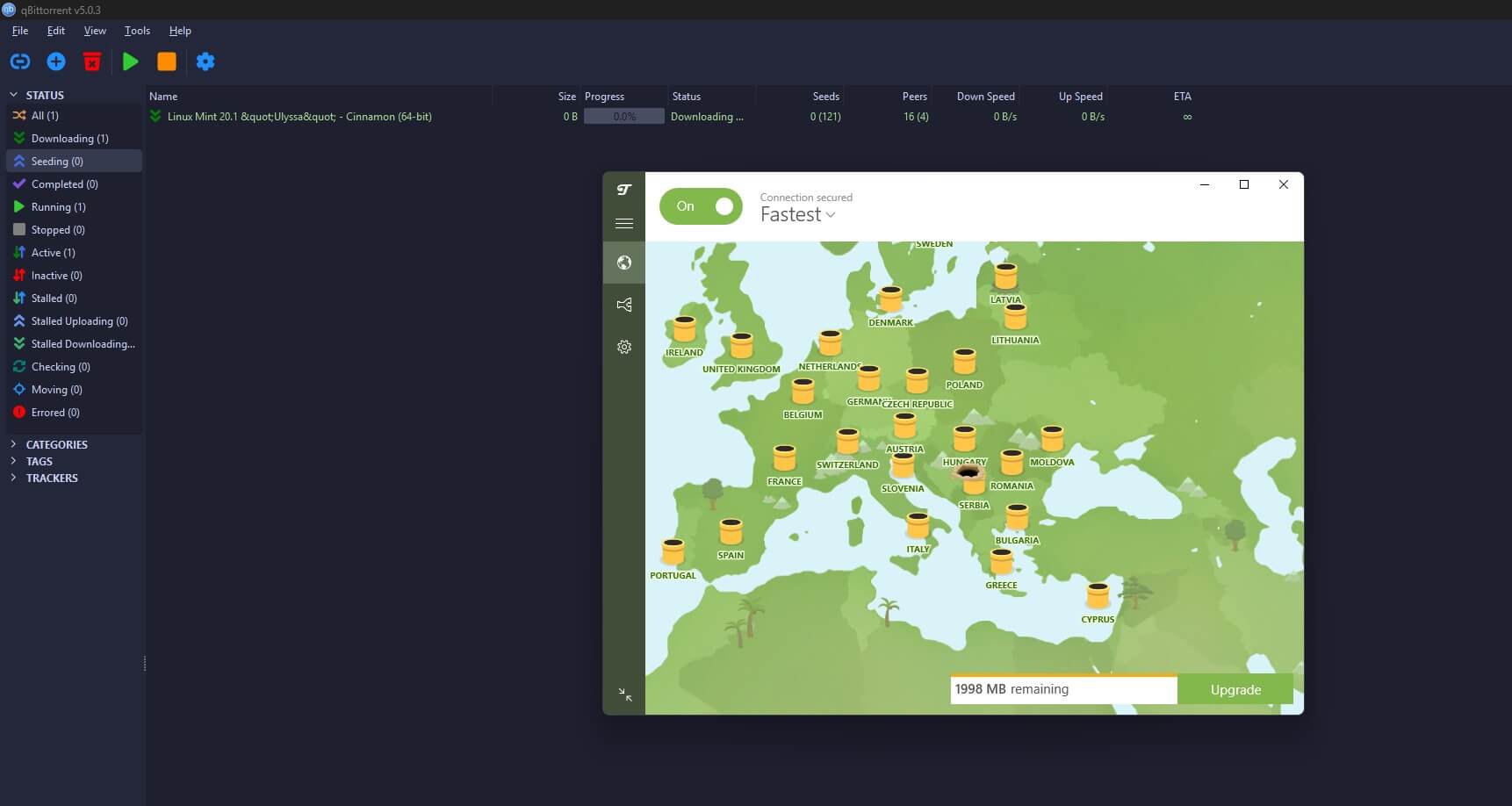
Free tiers block P2P almost universally. Proton VPN, hide.me, and TunnelBear all refuse it, and a download simply never begins.
Streaming is much the same. Free plans rarely open Netflix, iPlayer, Hulu, or Max, largely because refreshing blocked addresses costs money that non-subscribers never contribute. Paid services do, which is why ExpressVPN handles Netflix and NordVPN opens more than 20 regional catalogs.
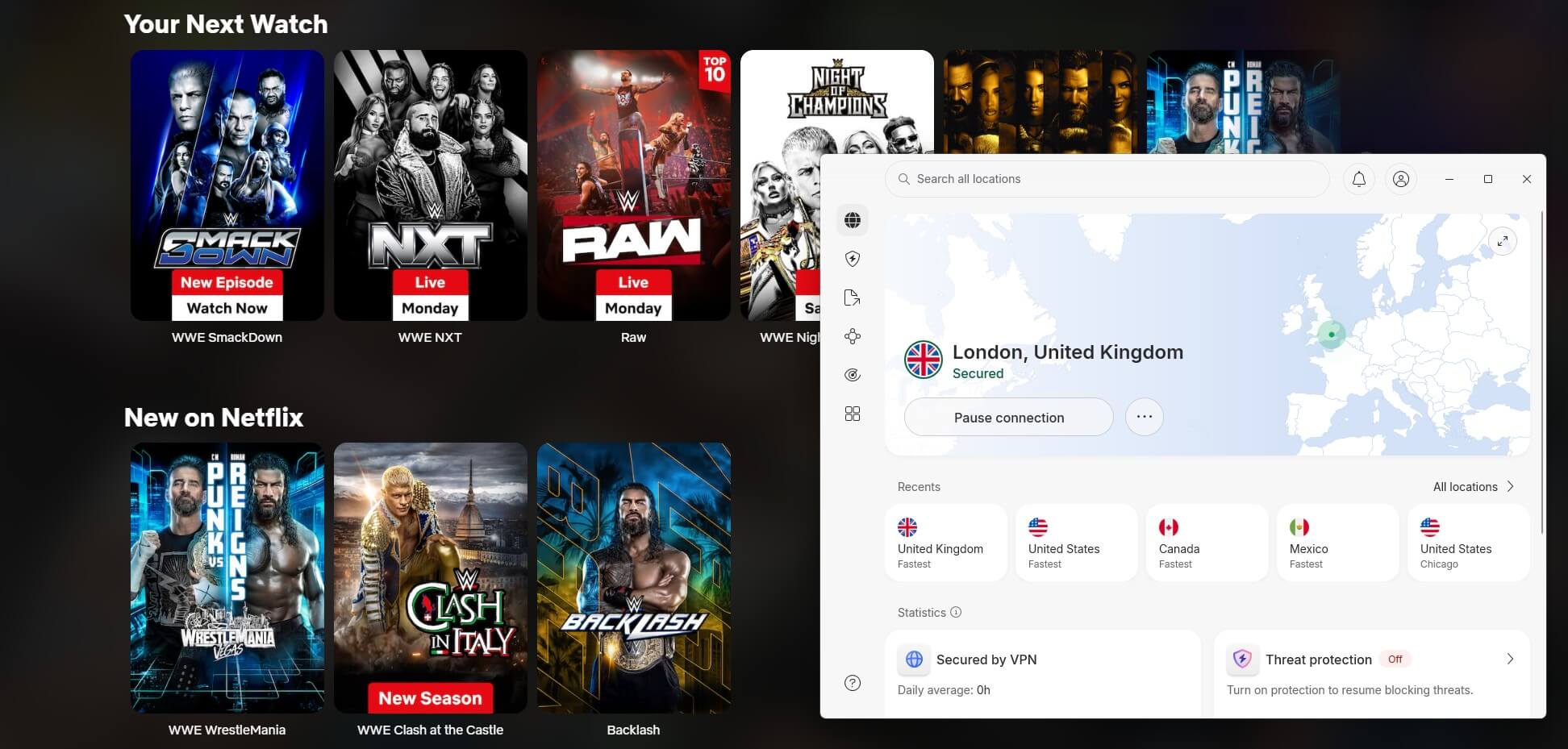
Streaming remains among the most common reasons anyone subscribes.
Devices Covered: Paid VPN vs Free VPN Comparison
Nearly every free tier permits one connection at a time. Paid plans start at five:
- NordVPN and Proton VPN Plus: 10 devices
- ExpressVPN: 10 to 14 devices
- PIA VPN, Surfshark, and IPVanish: unlimited devices
- Mullvad VPN: 5 devices
For a household, that alone often justifies the subscription. The exception is Windscribe, which protects an unlimited number of devices on a free plan. Every other free VPN plan, including Proton VPN, Hide.me, Betternet, PrivadoVPN, and TunnelBear, only works on one device at a time.
Is Paying for a VPN Worth It?
The gap in capability is wide. The price gap is not. A NordVPN coupon brings the two-year plan to about $3.49 a month. Private Internet Access sits near $2.19. Our VPN pricing breakdown covers the rest of the market. For roughly the price of a coffee each month, you get 20x the servers, no data cap, working streaming, P2P support, and an audited privacy policy.
Free tiers make sense for occasional browsing on public Wi-Fi. For anything beyond that, the maths favours paying a few dollars.
So, Which Paid VPNs Do We Recommend?
Here are our favorites, all under $3.5 per month:
1. NordVPN: Best Overall
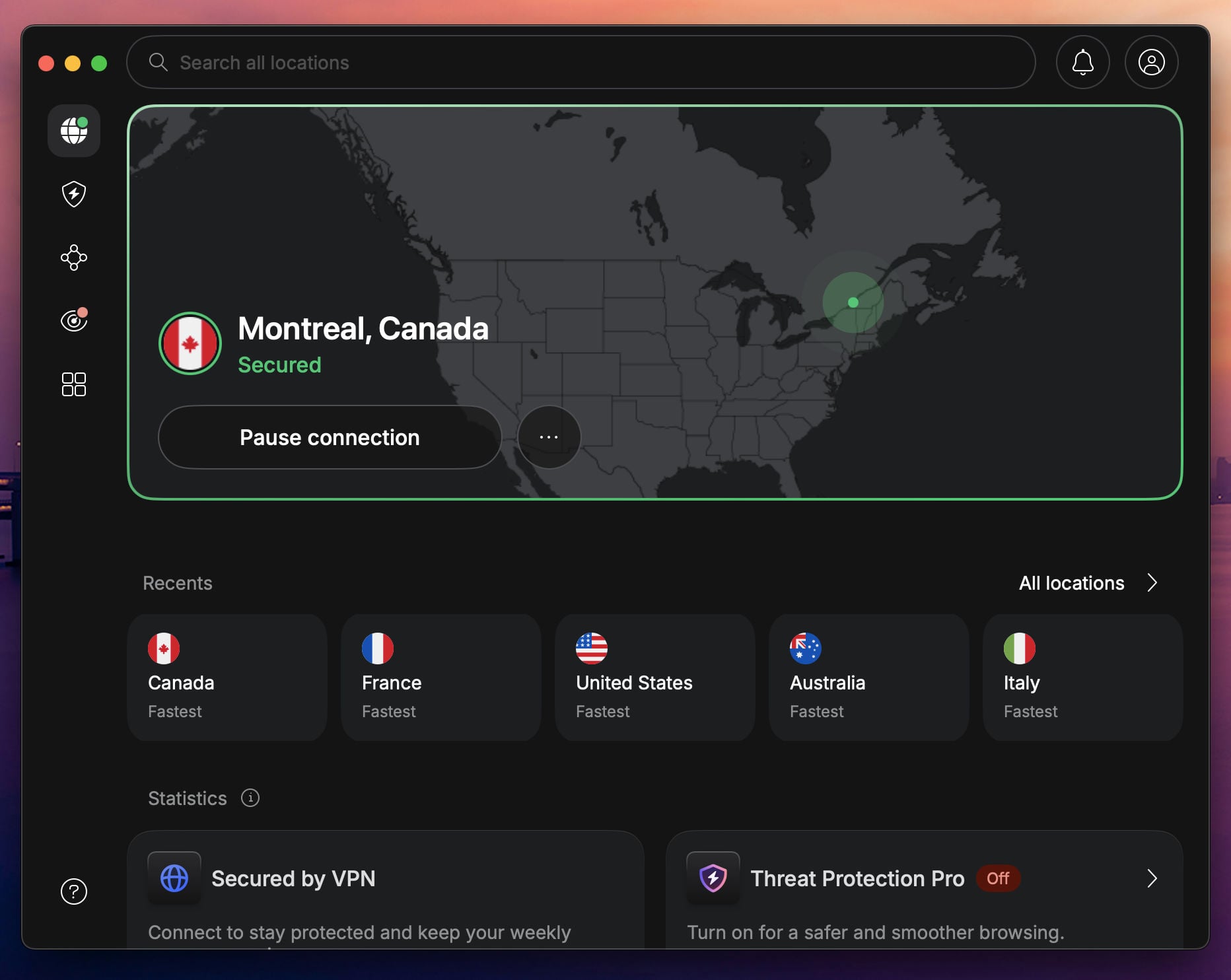
The strongest all-rounder, at about $3.49 a month on the two-year plan. 9,500+ servers across 149 countries, unlimited data, 10 devices, and P2P everywhere. Its NordLynx protocol is the quickest we measured, obfuscated servers make it usable inside China, and Onion Over VPN opens onion sites from the app itself. Double VPN, Threat Protection Pro, and post-quantum encryption cover the security side, and it unblocks 20+ Netflix regions.
Pros
- Servers in 149 countries
- Fastest VPN in testing
- Torrenting is allowed
- Works with Netflix
- Low latency for gaming
- 10 devices at a time
Con
- Steep renewal prices
2. Proton VPN: Free and Paid VPN Tiers Included
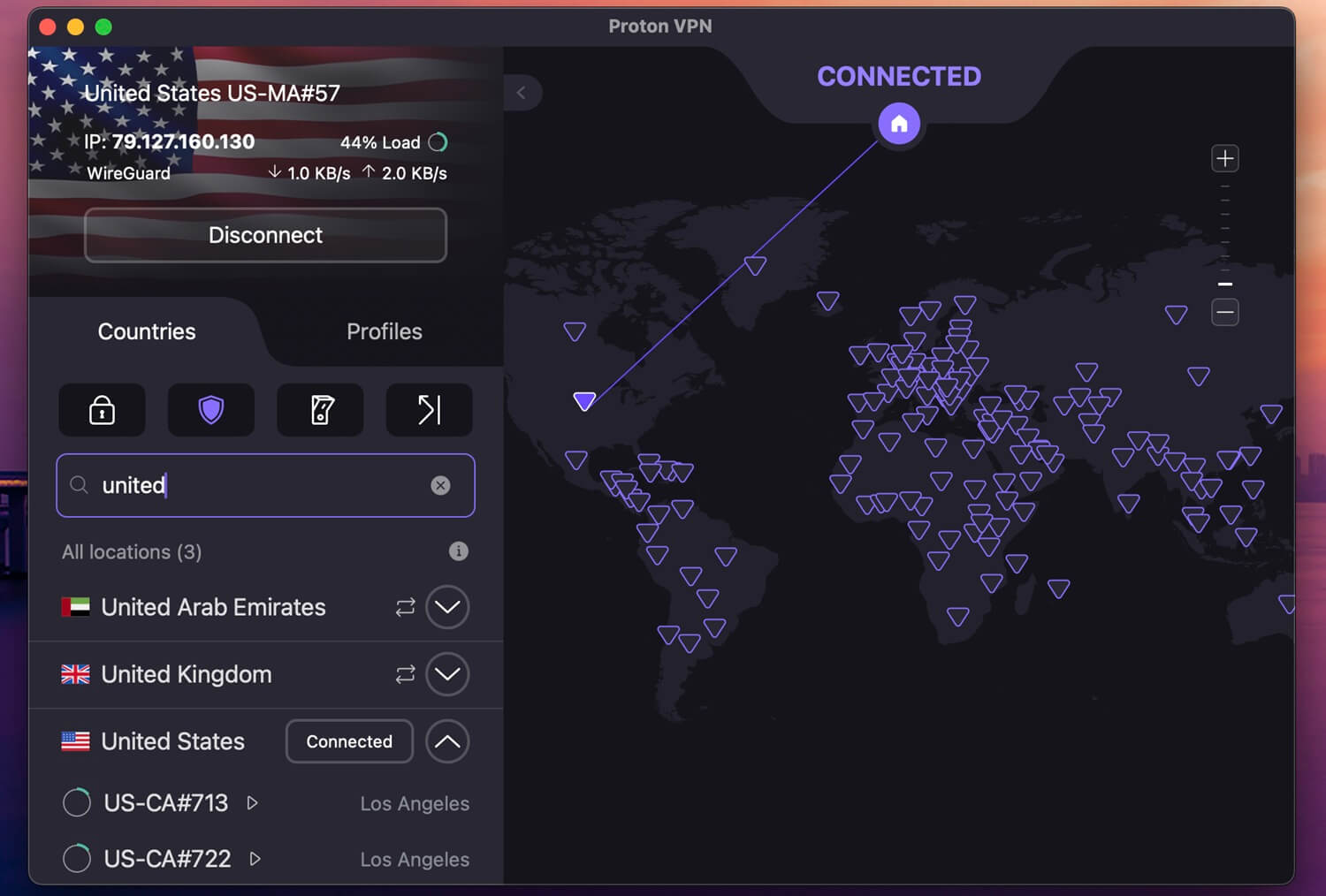
The obvious upgrade for anyone already on its free tier, at $2.99 a month and cheaper than both rivals here. Paying converts 10 countries into 148 and unlocks everything the free plan withholds: Secure Core, NetShield, Tor over VPN, P2P, and streaming access to all major sites.
Swiss jurisdiction sits outside the intelligence-sharing alliances, and Proton VPN publishes the code behind every client and hands it to outside auditors, which turns a no-logging promise into something checkable. The network passes 20,000 servers, the largest of the three VPNs here.
Pros
- Secure Core (Double Hop)
- NetShield ad blocker
- Open-source apps
- Free + paid options
- Streaming-optimized VPN
Cons
- Free tier blocks P2P
- No Smart DNS
3. ExpressVPN: Fast and User-Friendly VPN
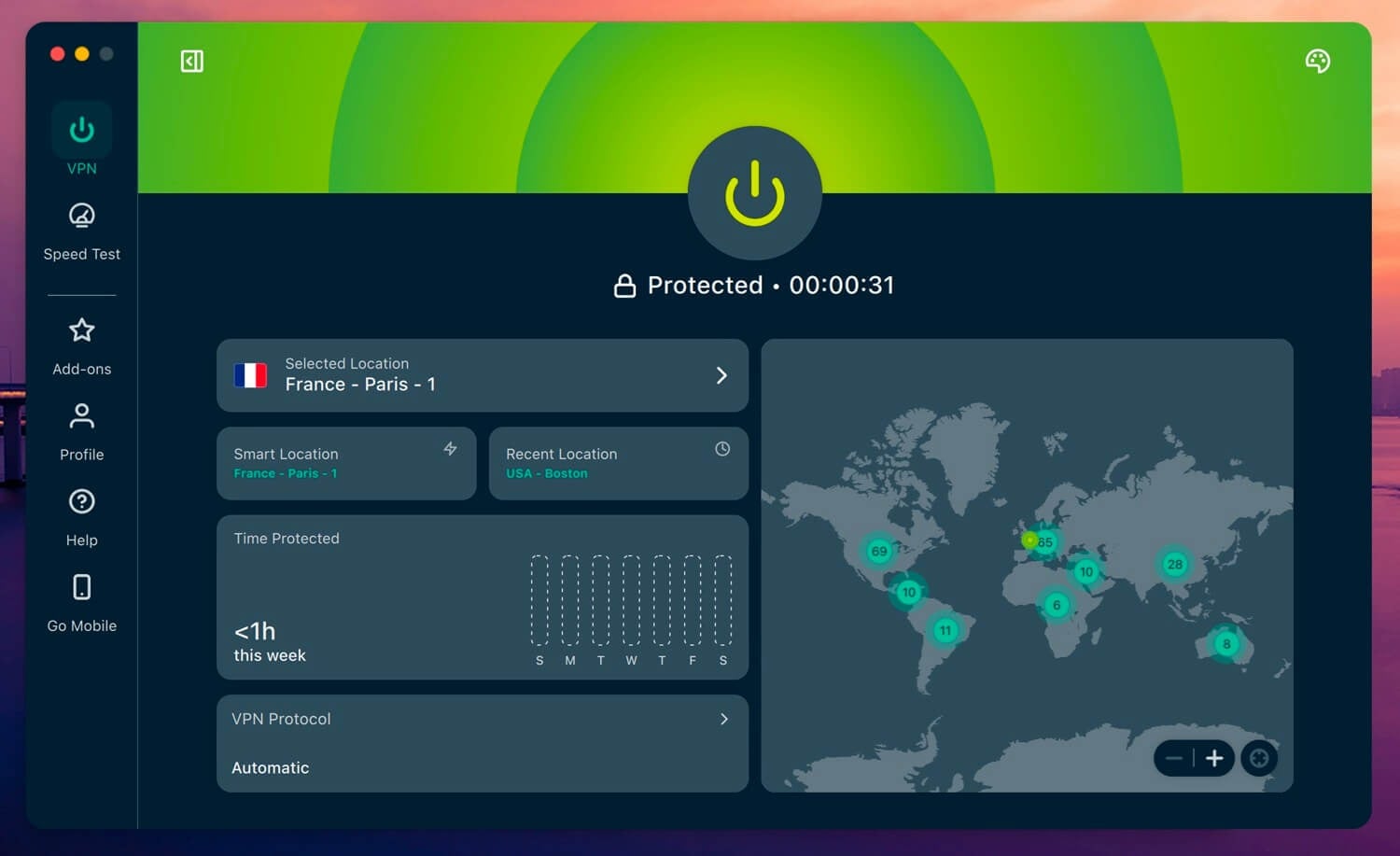
The simplest software of the three, spanning 3,000+ servers across 113 countries and 214 locations on 10 Gbps hardware. Lightway, its own protocol, outpaces the other two and has post-quantum protection switched on out of the box. Smart DNS covers game consoles and ageing sets with no capacity for a VPN client, something neither rival provides on this list.
There’s a Fire TV Stick app alongside every platform. Device counts stretch from 10 to 14 by tier, and the two-year plan takes 73% off with 4 free months.
Pros
- User-friendly apps
- Vast server network
- Fast Lightway protocol
- Smart DNS for streaming
- Unlimited data/bandwidth
Cons
- No free plan
- Lacks customization
Free VPN vs Paid VPN: The Verdict
Free VPNs are worth using if: you need occasional protection on public Wi-Fi, or want to test a provider before paying. Proton VPN and hide.me both serve those purposes safely. Everything else points the other way. Paid plans cost $2-$4 a month and remove every limit that makes free tiers frustrating, while replacing an unverified promise with an audited one.
If you want strong privacy without compromises, take NordVPN, Proton VPN, or ExpressVPN. All three refund within 30 days, and are entirely risk-free.
Frequently Asked Questions
⚖️ What is the difference between freemium and free VPNs?
A freemium service is a paid VPN with a restricted free tier, such as Proton VPN, where the limits exist to encourage an upgrade. A free VPN has no paid product worth buying, and its revenue comes from advertising or data collection. Hola, Urban VPN, and Betternet fall into the second group.
🆓 Can a paid VPN be used for free?
Yes, but temporarily. NordVPN, Proton VPN, and ExpressVPN have a 30-day money-back guarantee, and mobile free trials are available. A dedicated VPN free trial list covers the options. No paid VPN can be used free indefinitely.
🏆 Which is safer, a free VPN or a paid one?
Paid, in almost every case. Proton VPN and Hide.me are safe exceptions with audited no-log policies, though both withhold multi-hop and advanced filtering from their free tiers. Most other free services lack an audit, and several sell browsing data.
🔴 Are there free VPNs that work for streaming?
Yes, but they're very limited and work occasionally. PrivadoVPN unblocks a few Netflix libraries plus BBC iPlayer and Pluto TV, but its 10 GB data cap ends the session before long. Free tiers are not built for streaming, since rotating blocked IP addresses costs money that non-paying users don't provide.