VPN benefits are undisputed for anonymizing your digital presence. VPNs are powerful privacy tools that also bypass geo-blocks and don’t cost much. But is a VPN worth it? What are the pros and cons of VPN services nowadays? In short, VPNs are worth it, and their pros outweigh the cons.
Nothing’s perfect, and despite the many advantages of VPN services, they’re not flawless. Today, we discuss VPN advantages and disadvantages to see why you should use a VPN or avoid it, depending on your needs. We also explore the best VPN options with the most pros and least cons in 2026.
VPN Pros and Cons: Quick Overview
Advantages
- Digital Security
- Online Privacy
- Bypassing Geo-Restrictions
- Safety on Public WiFi Networks
- Overcoming Censorship
- Avoiding Price Discrepancies
- Private Torrenting Sessions
- Malware and Virus Protection
Disadvantages
- Potential Negative Impact on Internet Speed
- Best VPN’s Aren’t Free
- Some Countries Ban VPNs
- They aren’t 100% Anonymous
- Potential Logging
VPN Benefits (VPN Pros and Cons): All You Need to Know
We start with the benefits because they outweigh the drawbacks. The VPN benefits detailed below apply to quality VPNs, not untrustworthy ones. If you’re not sure which ones to choose, reading further leads you to our tried-and-tested picks. Alternatively, peek at our top VPN list and get yourself the best one.
✅ Digital Security (Crucial VPN Advantage)
The most notable VPN benefit is digital security. You’re familiar with 256-bit encryption and its military-grade status. It’s used by all VPNs to conceal your traffic from the ISP and snoopers. To put it simply, it makes your connection a mess of numbers, letters, and characters to anyone watching.
Let’s say a hacker tries to track your digital footprint. All the hacker will see will be this string of infinite characters that they wouldn’t be able to break. Apart from encryption, VPNs use a kill switch, IP leak protection, and even Double VPN connections. All of these make your security uncrackable.
No one can track your activities as soon as you connect to a server. Bear in mind your ISP can still see you’re using a VPN, but more about that later.
✅ Online Privacy (No-Logging Policy)
We can’t discuss VPN pros and cons without mentioning privacy; obviously, a pro. NordVPN, ExpressVPN, Private Internet Access, and others are known for this. It implies how a VPN handles your data, and in this case of these, they do it according to a no-log policy, which guarantees no storage of sensitive data.
No-log VPNs do not store your IP address, DNS requests, visited websites, download history, or location. They don’t know a single thing about you, except for basic things, including an email address and payment method. When talking about the benefits of VPNs, we can’t dispute other privacy features.
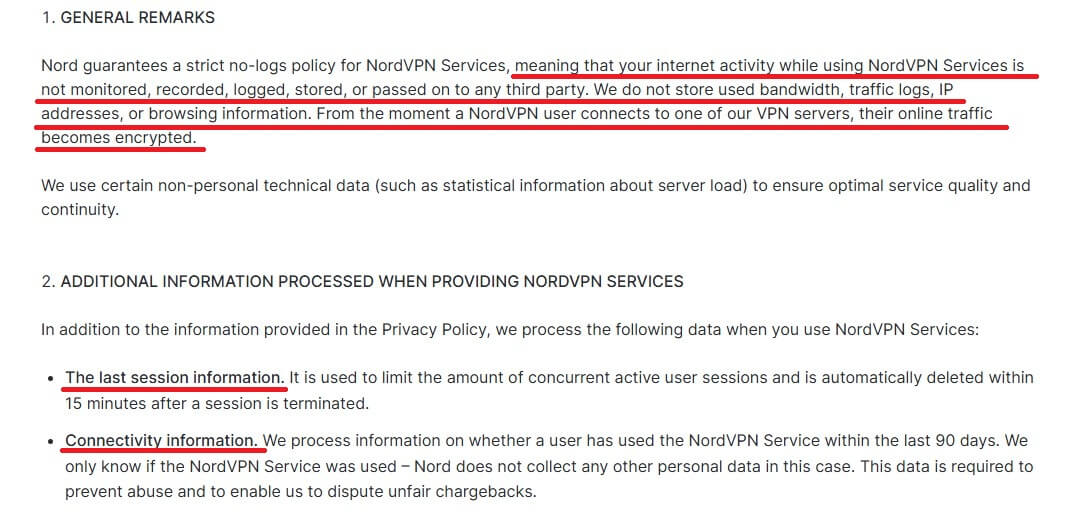
For example, most providers use RAM servers, which can’t be compromised because they can be wiped clean with each restart; click, and they’re off. This aids a no-log policy, thereby making your privacy the #1 priority.
Protect Your Privacy With NordVPN
✅ Bypassing Geo-Restrictions (VPN Advantage for Streaming)
By far the most popular VPN benefit is bypassing geo-blocks. Geo-blocks occur when the website you try to visit is restricted in your location. Below is an example of Pluto TV (you can watch Pluto TV abroad with a VPN). Another example is Netflix, with region-locked content, which spawns VPN use.
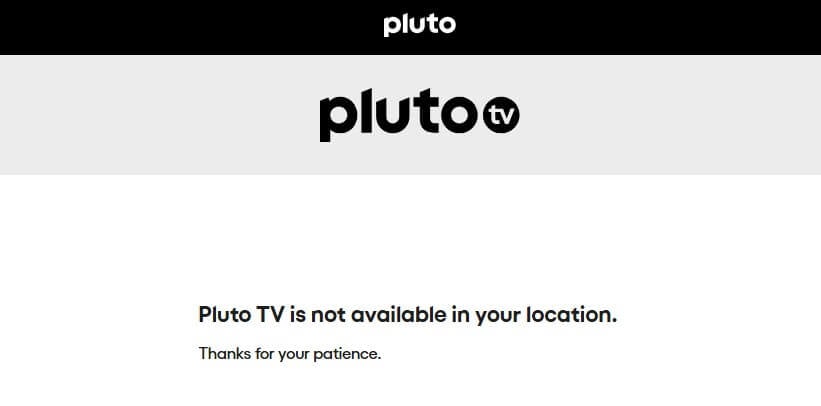
We can mention HBO Max, Hotstar, ESPN+, and hundreds of other platforms that don’t operate worldwide. There’s no better way to unblock them than with a VPN. VPNs route your traffic through an intermediary server located elsewhere. This hides your IP and replaces it with the IP from the server.
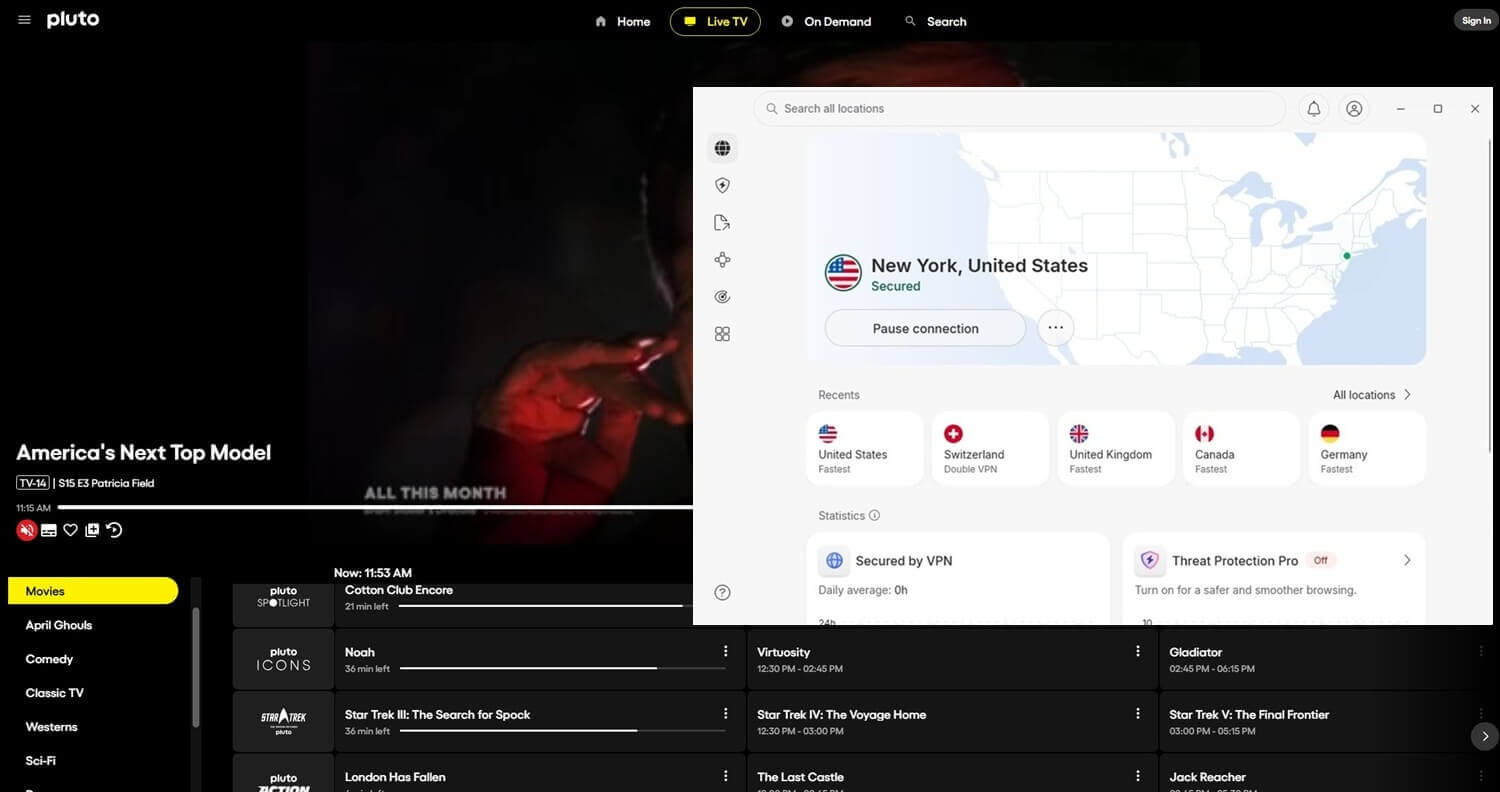
Your traffic looks like it originates from that server (which it does), and your IP is displayed as the server’s. If you connect to a US server, guess what? You can unblock all US-based streaming services, no matter where you are. Connect to a UK server and watch BBC iPlayer abroad (an example of what you can do).
However, this VPN benefit isn’t limited to streaming. You can access gambling sites abroad if you love this activity. Even unblocking porn is possible if your country restricts it. Just respect your country’s laws; don’t get in trouble.
Unblock Restricted Sites With NordVPN
✅ Safety on Public WiFi Networks (VPN Pro for Travelers)
Public WiFi networks aren’t our cup of tea. We skip those and use our mobile data with a VPN. If we must, we use public WiFi networks, but we enable a VPN. Public networks are often unencrypted and suffer from a lack of security and privacy. They’re public, so they must be open and accessible to tourists.
That invites hackers to the party, and you know these people. They’re party-breakers. Hackers can breach your device connected to this network and steal your data. There’s another paradox. Some cybercriminals deploy their hotspots to lure people. Once they connect to a hotspot, a cybercriminal exploits their data.
A VPN solves this with encryption, which prevents nasties from inflicting any harm. If you think this is a minor occurrence, read this report from Statista. It shows that 51% of people worldwide have used a VPN for privacy protection on public WiFi. We have reasons to think this percentage will increase.
✅ Dodging Censorship (Worth it for Journalists)
Censorship is the killer of free speech, among many other things. Censored regions (China, Russia, Turkey, the UAE, etc.) have the internet that Westerners are afraid of. Imagine not being able to watch YouTube videos in China. Imagine being able to use VoIP apps in the UAE to communicate with your family abroad.
Such situations made many use a VPN in the UAE and other countries. VPN benefits for censorship are non-negotiable. Thanks to its ability to alter your IP location, you can rid yourself of the censorship chains. NordVPN and ExpressVPN obfuscate your VPN traffic to DPI, especially useful in China.
With your traffic encrypted by the VPN, the ISP and authorities no longer have a grip on you. In fact, it promotes internet freedom and access to any website or app. As a result, you can download VoIP services, watch YouTube, stream on Netflix, and send emails in privacy. Not all providers can bypass censorship.
We’d rely on top-tier options. NordVPN and its obfuscated servers are surely your #1 choice, but ExpressVPN’s built-in obfuscation is no less effective.
Use NordVPN to Bypass Censorship
✅ Avoiding Price Discrepancies (VPN Advantage for Gamers)
We live in an era of discrimination, yet no one mentions price differences that many find discriminatory. Why is a particular thing more expensive in some countries? Shouldn’t we all pay the same? Not exactly. Iceland, which is one of the most expensive countries, won’t be the same as Bulgaria or Croatia.
These countries have lower costs, which translates to cheaper flight tickets, among many other things. Some countries, like Turkey, Turkmenistan, Belarus, and Argentina, are also famous for this. People change their PSN region to these countries to save money and buy games at a much lower price.
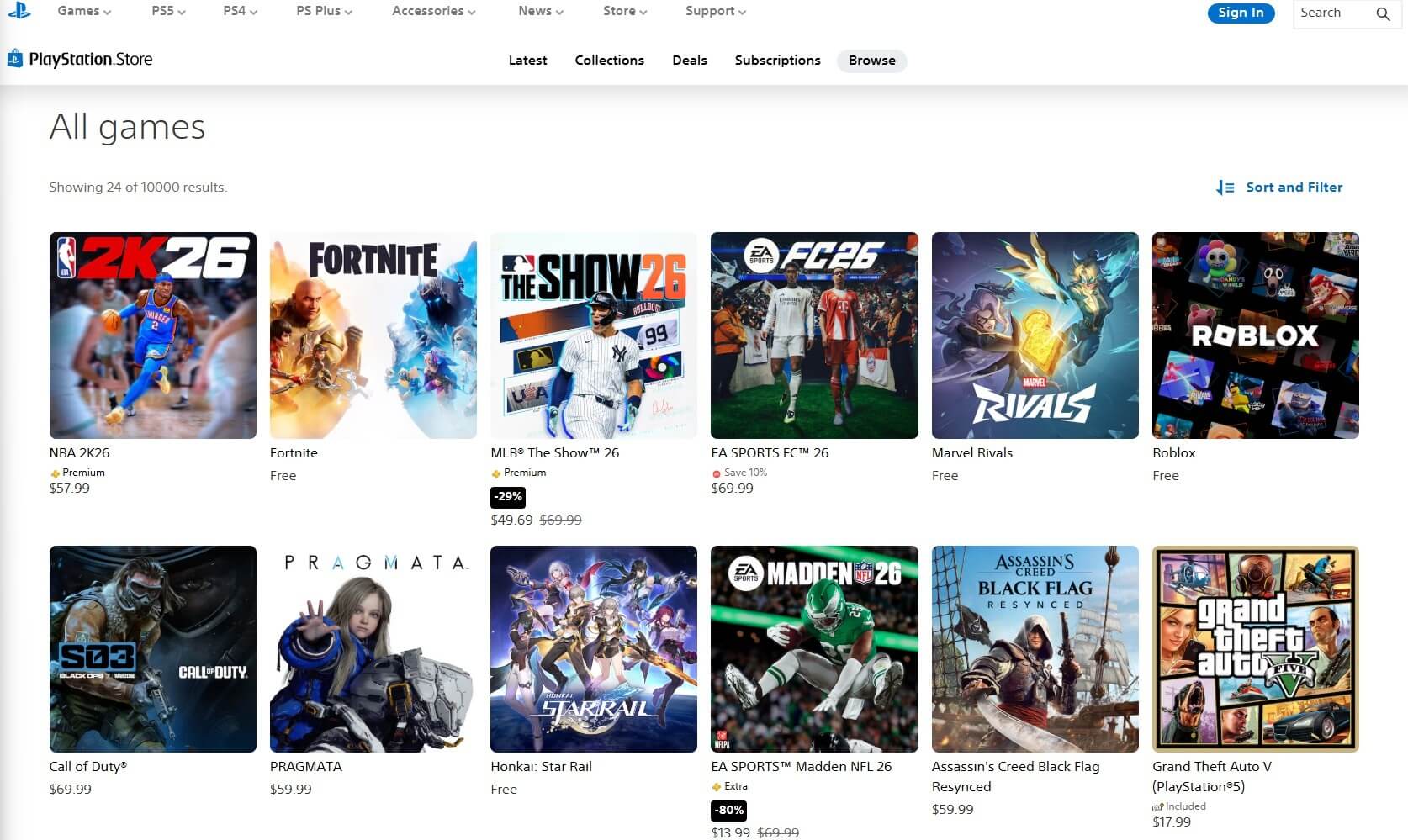
Conversely, some take advantage of a VPN’s IP-changing to buy cheaper flight tickets and hotel rentals by pretending they’re in another country. We also noticed that Netflix is priced lower in some regions. The same goes for other subscriptions and physical goods you’ll find on Temu and other online stores.
A huge VPN benefit is the option to switch from hundreds of online locations and experiment. You can make massive savings, especially on traveling abroad or vacationing a few times a year.
✅ Private Torrenting Sessions (No DMCA Notices or Copyright Trolls)
Torrenting is associated with piracy and is something frowned upon. This is why it’s targeted by ISPs and authorities who will punish you for breaking the law. Torrenting doesn’t have to be connected to piracy. You can still download royalty-free torrents. But even in that case, P2P file sharing isn’t safe.
P2P puts you in a network with other peers (peer-to-peer is the same as P2P) who can see your IP address and location. Also, torrent sites will store your IP address and downloads related to it. They’ll submit this data to your ISP if needed, and if you’ve downloaded a copyrighted torrent, you’ll be in trouble.
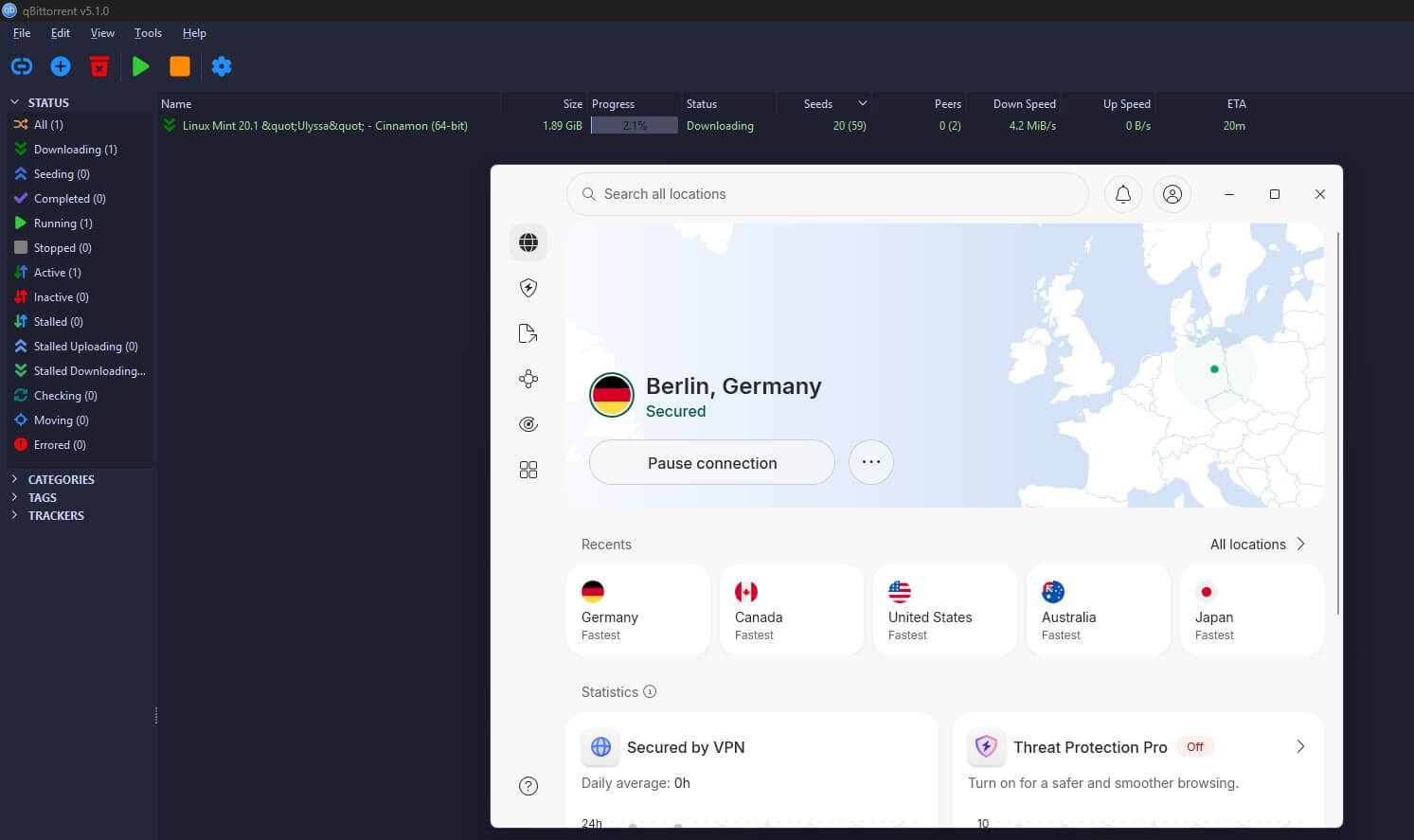
The best way to combat this is to anonymize yourself with a VPN. This VPN pro is what many value. Imagine using a VPN and torrenting. If the site collects download history, it’ll be associated with a VPN-given IP, preventing any harm. In the same fashion, your ISP can’t track you because of encryption.
✅ Malware and Virus Protection (Advantage of Top-Level VPNs)
We know that a VPN and antivirus software aren’t the same. However, some providers started to blur the line between the two. Modern VPNs like NordVPN, Surfshark, and Private Internet Access offer advanced features. They can block ads, trackers, malware, viruses, and malicious sites.
NordVPN’s Threat Protection Pro removes malware from all devices, which you could only do with dedicated anti-malware tools years ago. Surfshark and Private Internet Access offer virus protection. These are full-fledged antivirus tools to keep your computer and other devices free of any threats.
Enjoy Virus Protection With Surfshark
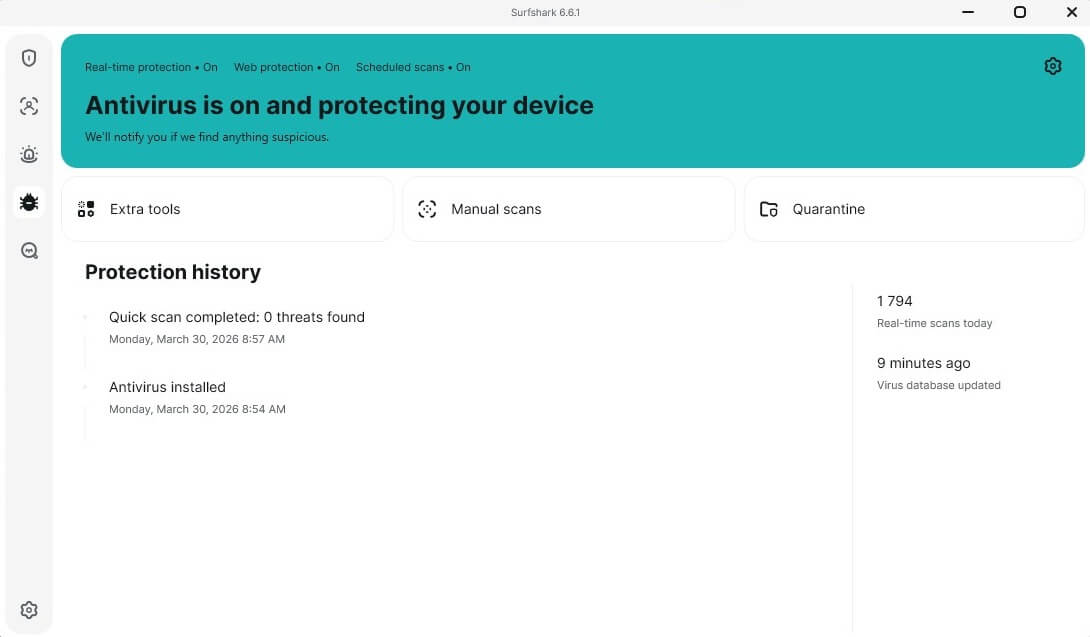
Some providers, including NordVPN and Surfshark, also include a dark web monitor and other privacy and security-oriented non-VPN features, making them versatile. When discussing VPN pros and cons, it’s hard not to mention that they’re often cybersecurity suites and not ordinary, run-of-the-mill VPNs.
VPN Cons: What are the VPN Disadvantages?
We said we’ll discuss VPN pros and cons. Since the advantages of VPN services are covered, let’s see where they fall short, at least some of them.
❌ Negative Impact on Connection Speed
Connecting to a VPN routes your traffic through another server and encrypts it. Neither is speed-friendly. If you use a distant server, slower speeds and higher latency are inevitable. This happens with every VPN, but to a different extent. Faster VPNs won’t slow your speed much, but they still will.
In this VPN con, we mentioned encryption. It’s good for security, but not for performance because it slows your connection. However, this impact isn’t too noticeable. The most impactful thing is the server distance. You can remove this drawback of a VPN by using a server in your vicinity.
But if you need to unblock an Australian TV channel and you’re abroad, you’ll have to deal with the consequences of weaker performance. Again, it’s not critical if you choose a fast and reliable VPN, such as NordVPN or ExpressVPN.
Maximize Connection Speed With NordVPN
❌ Best VPNs aren’t Free
If you spend your money reluctantly, you’ll hate this. The best VPNs with the most benefits are never free. Free providers offer privacy and security; sometimes, they do it well, such as Proton VPN and Hide.me. But this is the farthest you’ll go. Paid VPNS add streaming, P2P, unlimited data, etc.
Some find the obligation to pay for a big con of a VPN. But let’s think about the prices. They usually range from $1.99 to $5.99 per month, though you’ll always be closer to the lower limit. That said, when discussing the VPN pros and cons, its price isn’t such a big issue even on a tight budget.
Factor in cheap VPNs like NordVPN, PIA, Surfshark, and Proton VPN with flagship features. Now, getting some of the best VPN services won’t cost a fortune.
❌ Some Countries Ban VPNs
If you can visit Gizmodo, chances are you’re not in a censored country or, God forbid, the one that bans VPNs. Some countries restrict VPNs, such as China or Russia, but still deem them legal. On the other hand, North Korea, Belarus, Iran, Iraq, and more completely ban them in 2026.
This is a big problem if you want to boost your privacy and security. There’s no way around it unless you purposefully break the law. We don’t recommend that because fines can be eye-watering, and sometimes, you can face jail time. Are VPNs legal in your country? This page holds the answer.
❌ VPNs aren’t 100% Anonymous
When it comes to VPN pros and cons, very few experts discuss the false expectations of using a VPN for anonymity. No, VPNs will not magically make you 100% anonymous. They promise privacy, anonymity, and security. Truth be told, they add to security and privacy with encryption and other features.
However, a big however is how you use the internet. If you voluntarily provide your data to Instagram, Google, X, Facebook, or Twitter, a VPN can’t help. Logging in to your social media account with an email and password is also unsafe. Whenever you submit your data, a VPN simply cannot help.
Besides, it’s up to you to have a sense of how to use the internet safely. You can’t behave irresponsibly, hoping to be backed by a VPN.
❌ Potential Logging
We said that most VPNs don’t keep logs. But it applies to the highest quality ones. Some VPNs go the opposite route, which can be detected by reading the privacy policy. Most people take VPNs for granted and see the magical “We keep no logs!” claim. Under the hood, they can find traces of rot.
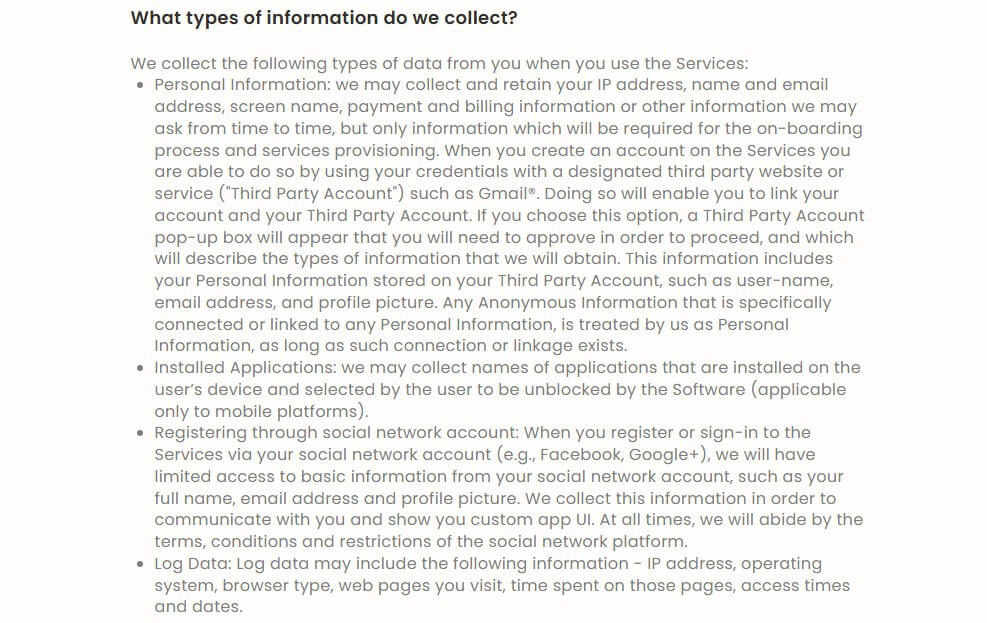
We tested hundreds of VPNs, and roughly 20% were trustworthy. Others who stated they don’t keep logs mostly kept connection logs and/or timestamps, IP addresses, and so forth. This means you must carefully navigate the minefield.
If you’re a beginner, you can get a VPN that stores logs and trumps your privacy. Paying for it is even worse because you’re giving money to a company that handles your data poorly and fails to secure your online presence.
Best VPN With Most Pros and Fewest Cons
Being careful ties into the next section, where we’ll recommend our favorite picks. If you want a VPN that has more pros and very few, if any, cons, you’ll have to pick a premium one. Not all premium options are equal, so here are a few that we love the most, based on our experience:
- NordVPN. Our all-time favorite. NordVPN is better than all VPNs, having 9,200+ servers, no data or speed limits, and unbreakable encryption. It also offers a no-log policy, good streaming/torrenting performance, Double VPN servers, and malware protection. It’s affordable at $3 per month, with a 30-day money-back guarantee and a 3-day free trial.
- ExpressVPN. Another pick with 256-bit encryption, a kill switch, and modern protocols. ExpressVPN is fast, streaming-ready, and optimized for torrenting. It also sports over 20 audits on its no-log policy and has easy-to-use apps. Biennial plans are its cheapest offers, with a 30-day money-back guarantee.
- Private Internet Access. You can enjoy all the VPN benefits for $2. PIA offers unlimited concurrent connections to keep you safe. Advanced security features, optional antivirus, and servers for streaming spice it up even more. Finally, a no-log policy proven in court makes it among the most trusted VPNs in 2026.



 9200 servers
 128 covered countries
 30 days money-back guarantee
 10 simultaneous connections
9.4 /10

20396 servers
148 covered countries
30 days money-back guarantee
10 simultaneous connections
9.2 /10

3000 servers
105 covered countries
30 days money-back guarantee
10 simultaneous connections
9.1 /10
⚠️ BONUS: VPN Providers to Avoid
Knowing good from bad is always great. But to achieve this, you must know what is bad and should be avoided. Here are a few providers we don’t like, usually because of security and privacy issues. They offer way more cons than pros:
- Hola VPN – Excessive logging and poor privacy
- Betternet – Heavy data collection with weak security
- Urban VPN – Logging of your browsing history and personal data
- Turbo VPN – A Hong Kong-based provider with questionable privacy
- Mobile-only free providers – Notorious for storing tons of user information
- Kaspersky VPN – Based in Russia, with very few security features
- Norton VPN – Vague logging policy and underwhelming privacy
VPN Pros and Cons: Is a VPN Worth It in 2026?
So, let’s digress on the pros and cons of VPN services. VPN benefits far outnumber the very few VPN disadvantages. Yes, VPNs are perfect for lag-free gaming, crypto trading, streaming, torrenting, and overall privacy. Simultaneously, they’re not free, not entirely anonymous, and not always speed-friendly.
The good news is, you get to experience more advantages of VPN services when you choose the best ones. NordVPN, ExpressVPN, and Private Internet Access cost pennies while being some of the top choices. In that case, is a VPN worth it? Yes, a VPN is absolutely worth it in 2026.
Frequently Asked Questions
🔒 Is it worth getting a VPN for privacy?
Yes, getting a VPN for privacy is worth it because it encrypts your data and makes your web browsing activities private. However, a VPN is never really anonymous, and if you submit your sensitive data, you can still endanger your privacy.
🤔 Should I use a VPN?
Yes, you should use a VPN if you care about privacy, unblocking streaming services, fast P2P transfers, and security. If these advantages of VPN providers don't excite you, think twice before you spend your money on one.
👎 What are the VPN disadvantages?
The most notable VPN disadvantages are that they're not free, some of them aren't very safe, and some VPNs are blocked in specific regions. However, when you get the best VPN, such as NordVPN, you iron out most of these issues. The only remaining VPN con is that the best VPN isn't free.
🔴 Are there VPN benefits for streaming?
Yes, there are VPN benefits for streaming. VPNs work with Netflix, BBC iPlayer, Hulu, or any other popular streamer. When you're abroad, you can unblock these streaming sites and access their content libraries. This is only possible with a VPN.